An unfamiliar loan, a drained account, or a password that suddenly stops working can make a financial abuse separation feel even less safe.
During separation, money and technology may still be used to pressure, monitor, punish, or keep contact going. These may include economic sabotage, withholding resources, and financial harassment linked to intimate partner violence.
Financial abuse can continue long after a relationship ends, especially when accounts, debt, children, or shared devices are involved.
If taking action could alert your ex or increase risk, pause and make a plan that fits your situation. Legal separation or a protection order may be possible considerations, but neither automatically resolves debt or account access. Small, protected steps count.
Key Takeaways
- Put safety first: account changes, password resets, or credit actions can trigger alerts or retaliation when an ex has shared access or monitors devices.
- Review your credit reports, joint accounts, and debts, and consider a credit freeze or fraud alert if it is safe and appropriate.
- Secure email, phone, recovery settings, banking access, payment apps, and shared devices in an order that protects your most important accounts first.
- Keep clear, lawful records of statements, debts, unauthorized activity, income, and messages, storing them where your ex cannot access them.
- Bring a domestic violence advocate, legal-aid provider, or family law attorney into decisions about joint debt, hidden assets, support, custody, and protection orders.
Put safety first during separation
Financial abuse is not limited to someone taking money. Economic abuse can include economic sabotage, withholding resources, employment sabotage, or financial harassment. It may also involve running up joint cards, hiding income, blocking access to accounts, damaging your credit, or using a child support dispute to keep control.
These behaviors can reflect coercive control, and domestic abuse often sits alongside emotional abuse. You don’t need to prove someone’s intent before protecting yourself. If intimate partner violence is part of the pattern, safety planning can begin with protecting access to money.
Think about what could trigger retaliation
Before changing a password or closing an account, consider who may receive alerts. Does your ex know your phone passcode, have access to your email, use your mobile plan, or check shared cloud storage? If intimate partner violence is present, even a routine account change can create safety concerns. If a protection order or restraining order is involved, ask how it affects contact, alerts, or account changes.
Avoid making major changes on a device they may monitor. A domestic violence advocate can help you think through safer options, including access to a private device or a confidential mailing address. They can also help you plan safely if a protection order affects communication or account changes.
A password change can alert someone who has shared access. Safety planning is not being secretive. It is protecting your options.
Choose the smallest safe step
Your first step may be saving one bank statement, calling a legal-aid service, or telling one trusted person what is happening. If withholding resources is part of the pattern, choose a private step that doesn’t require a confrontation.
The NNEDV technology-safety guidance can help you consider device monitoring, location sharing, and safer communication. A personal safety plan for emotional abuse can also help you decide what feels possible today.
Check your credit and limit new debt
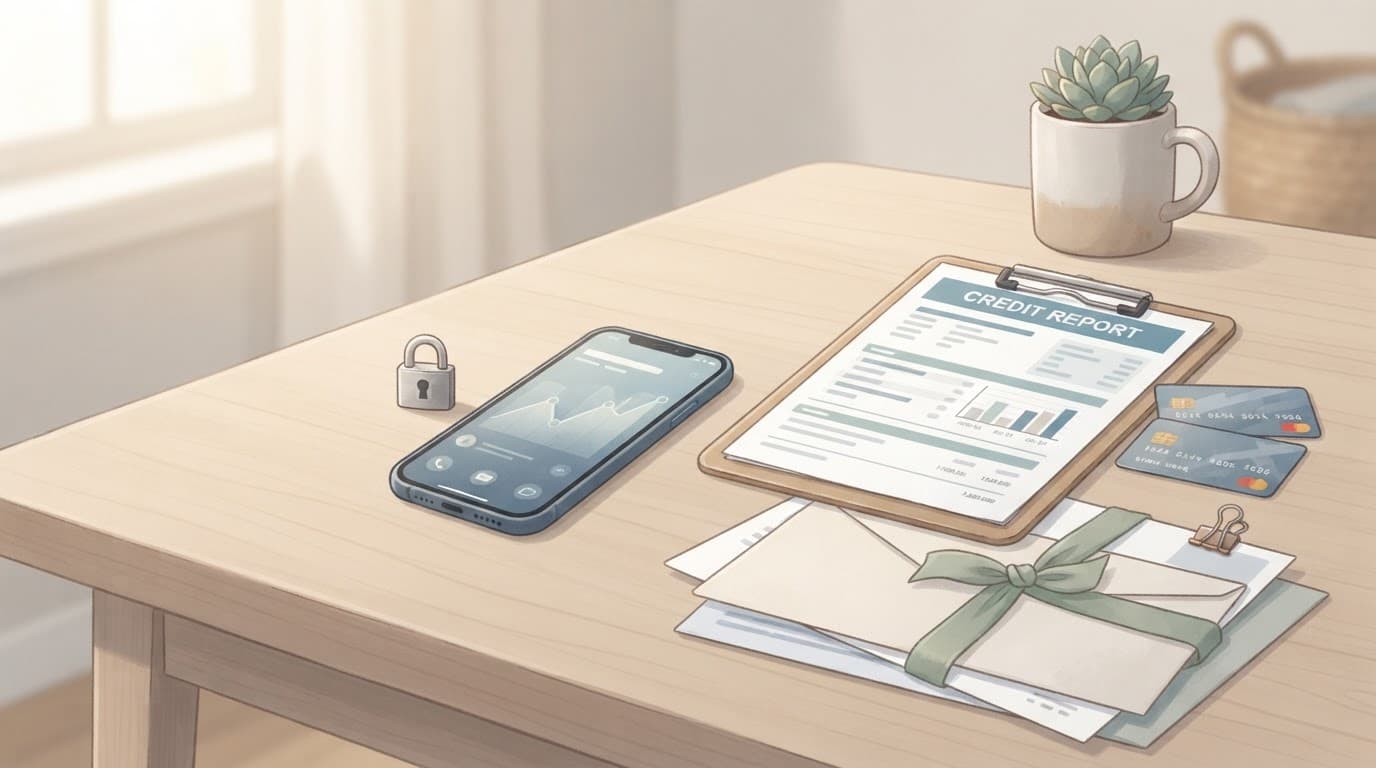
Credit problems can feel overwhelming, but facts give you a starting point. In the United States, review reports from Equifax, Experian, and TransUnion for unfamiliar accounts, hard inquiries, address changes, and credit cards you did not open. Unfamiliar accounts, hard inquiries, or missed payments can affect your credit score.
If you live elsewhere, check your country’s consumer-protection agency and credit-reporting system. Procedures and protections vary.
For people leaving situations involving intimate partner violence, unfamiliar debt or payment disruption may reflect withholding resources. That disruption may be a form of economic sabotage. Repeated unwanted charges, notices, or account activity may also be financial harassment.
Save a clear snapshot of your credit
Download or print reports only if you can store them safely. Keep a dated list of every account, balance, creditor, and payment due.
Look closely at joint cards, loans, and bank accounts. Being an authorized user is different from being a joint account holder, and that difference matters when you contact a lender.
Consider a credit freeze or fraud alert
A credit freeze can make it harder for someone to open new credit in your name. In the U.S., freezes are free, and you must request one separately with all three nationwide credit bureaus.
The FTC explains credit freezes and fraud alerts, including when you may need to temporarily lift a freeze for housing, a car loan, or another application. A freeze does not close existing accounts or remove debt, so keep watching statements.
If a freeze or alert could expose your location, phone number, or new address, ask an advocate or creditor about privacy options first.
Secure online accounts in the right order
Online access is often the hidden piece of post-separation economic abuse. Economic abuse can let someone who enters your email reset banking passwords, view account alerts, or intercept verification codes. Changing alerts or blocking transaction notices can become economic sabotage.
Start with the accounts that control your other accounts.
Protect email, phone, and password recovery
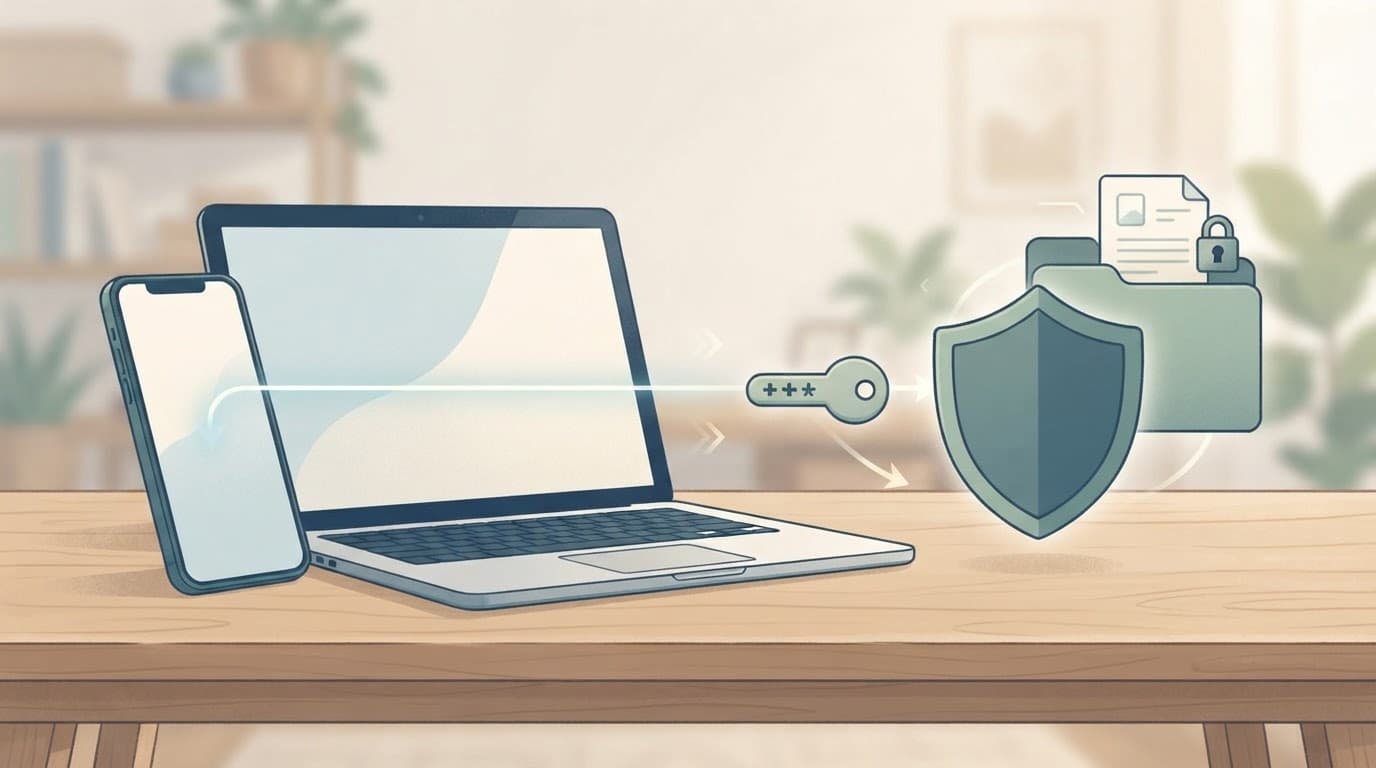
If it is safe to use a private device, begin with your email account. Intimate partner violence can compromise recovery channels, so review them before changing your password. Then review logged-in devices and remove recovery contacts that don’t belong to you.
Then work through:
- Your mobile-carrier account, including its account PIN and authorized users.
- Banking, credit-card, payment-app, and payroll logins.
- Cloud storage, password managers, and online tax accounts.
- Retail, utility, insurance, and health portals that may store payment details.
- Two-factor authentication settings, remembered devices, and backup codes.
Unexpected account alerts, repeated password resets, and payment demands can be forms of financial harassment.
Use a new, strong password for each important account. An authenticator app can offer more privacy than text messages, but only if the device itself is secure.
Check for shared access you may not see
Look for family plans, shared photo albums, connected smart-home apps, browser autofill, shared calendars, and location-sharing tools. If intimate partner violence is part of your situation, shared plans and monitored devices may reveal account changes or your location.
Review payment apps such as PayPal, Venmo, or bank-linked Zelle access if you use them. Look for unauthorized transfers, removed access, or redirected payments used for withholding resources from you.
Sign out of other sessions after changing passwords, when safe. If you cannot confirm privacy, don’t assume a new password is enough. Make a safety plan with someone who understands technology safety and domestic violence, including limits from any protection order affecting communication or account changes.
Document the pattern without putting yourself at risk
You do not need a perfect file to ask for help. A few organized records can show a pattern of financial abuse, economic sabotage, withholding resources, hidden assets, unauthorized debt, or financial harassment.
Only collect information you have a lawful right to access. If intimate partner violence is part of the situation, collect records only when it is safe. Do not enter accounts that are solely in another person’s name, and check local laws before recording calls.
Keep records that tell a simple story
Save copies of statements, tax returns, loan documents, pay stubs, schedules, retirement balances, and messages about money. Employment records may also matter if employment sabotage affects your income. Include screenshots of account balances or threats only when doing so does not put you at greater risk.
Write down dates, amounts, account names, and what happened. Store records in a place your ex cannot access, such as a protected account created with support, an encrypted drive, or with a trusted professional.
Respond to identity theft with support
Unauthorized accounts or changes to your personal details may be identity theft. They can cause concrete financial harm, including economic sabotage through new debt or damaged credit.
The CFPB outlines steps for identity-theft victims, including reporting the theft and dealing with compromised accounts. An advocate or attorney can help you decide what documentation to share, whether a protection order may be relevant, and which reporting route makes sense.
Protect access to money as separation unfolds
A separation involving financial abuse or economic abuse can limit financial resources before divorce proceedings are complete. That pressure can overlap with intimate partner violence and financial harassment, but every situation has different legal and safety needs.
Healing rarely ends when the paperwork does; narcissistic abuse recovery after divorce looks at what comes next, from grief to rebuilding self-trust in your own time.
Build a private financial baseline
If it is safe and lawful in your situation, open an account in your own name and direct future income or benefits there. Consider a mailing option that does not reveal your home address.
Do not hide income or move joint funds without legal advice. Family law may require disclosure of accounts, even new ones. Withholding resources, reduced income, and employment sabotage can signal economic sabotage. The goal is protected access, financial independence, and accurate records, not a financial surprise later.
If you have a protection order, coordinate financial steps with an advocate or lawyer when possible.
The NNEDV financial-safety planning resource offers practical ideas for building options when money has been used for power and control.
Treat joint debt as an urgent issue
A court order may divide responsibility for debt between spouses, but a creditor may still pursue anyone who signed the original agreement. Ask lenders what choices exist for closing, refinancing, removing an authorized user, or setting up payment access.
Keep records of each call. Joint debt or account manipulation can continue withholding resources and economic sabotage. Never assume that removing a card from a wallet removes the underlying debt.
Bring support into legal and co-parenting decisions
Laws on property division, community property, financial disclosure, spousal support, and child support vary by state, province, and country. A local legal-aid provider, family law attorney, or domestic violence advocate can explain whether a restraining order or protection order may apply. They can also help survivors navigate family court when financial abuse is connected to intimate partner violence.
Hidden assets and missing income can be addressed
In many family law cases, both people must disclose income, debt, and marital assets. Hiding money, wasting shared funds, or understating income may be economic sabotage. A lawyer may use court discovery, subpoenas, or a forensic accountant to investigate.
Family court can respond to incomplete disclosures, but outcomes depend on local law and the evidence available. Bring your dated records, credit reports, and account list to your first appointment.
Keep child support separate from personal contact
Child support and custody disputes involving intimate partner violence may involve delayed, untraceable, or coercive payments. These patterns can create financial stress through withholding resources or financial harassment. When possible, use traceable payments and written communication approved by your lawyer or family court, while following any parenting plan or protection order.
You do not need to decide whether narcissism explains someone’s behavior before setting limits. Clear records and reduced contact can support recovery. Over time, rebuilding self-trust after emotional abuse can become part of relationship healing, especially when years of control made every decision feel unsafe.
Frequently Asked Questions
What is financial abuse during separation?
Financial abuse during separation may include withholding resources, running up joint debt, hiding income, damaging credit, blocking account access, or using payments to maintain control. It can continue after a relationship ends, especially when accounts, children, or shared devices remain connected.
Should I change my passwords or close joint accounts right away?
Not always. If your ex monitors your devices, email, phone plan, or account alerts, a visible change could increase risk, so consider a safety plan with an advocate before acting. Take the smallest safe step you can, such as using a private device or securing email and recovery channels first.
Can a credit freeze remove debt or protect existing accounts?
A credit freeze can make it harder for someone to open new credit in your name, but it does not close existing accounts or remove debt. Continue reviewing statements and contact the credit bureaus, creditors, or an advocate about unfamiliar accounts and unauthorized activity.
What records should I keep for financial abuse?
Keep lawful copies of statements, credit reports, loan documents, tax records, pay stubs, account balances, and messages about money. Record dates, amounts, account names, and what happened, and store the information somewhere your ex cannot access.
Can a court order protect me from joint debt or account manipulation?
A court may divide responsibility for debt or address incomplete financial disclosures, but a creditor may still pursue anyone who signed the original agreement. Local laws vary, so ask a family law attorney, legal-aid provider, or domestic violence advocate about joint debt, hidden assets, support, and any protection order.
Your next step can be small
Protecting your credit and online accounts won’t erase what happened, but it can reduce the ways someone reaches into your life as you leave intimate partner violence. Start with the action that gives you the most safety and information right now.
Recovery often begins with one protected choice, then another. Before making a visible account or password change, ask an advocate whether a protection order is appropriate. Your financial life belongs to you, even if reclaiming it takes time.