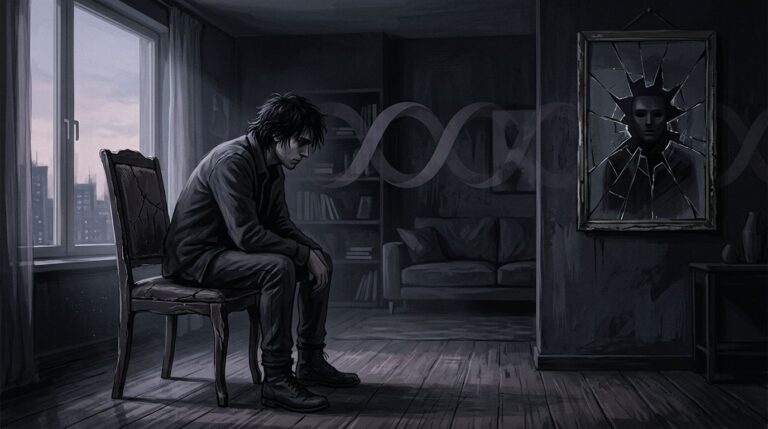
Can someone have trauma symptoms even if no one ever hit them? Yes.
If you have lived with constant criticism, gaslighting, threats, control, or cold punishment, your body may still react as if danger is close. This type of psychological abuse can have a profound impact on your mental health. Experiencing these patterns does not mean you are weak or too sensitive; it means that emotional abuse can leave behind lasting trauma.
For some people, that trauma manifests as symptoms of post-traumatic stress disorder. For others, it looks more like complex trauma. Knowing the difference starts with understanding what emotional abuse does to the mind and body over time.
Key Takeaways
- Emotional abuse can cause genuine PTSD and complex trauma symptoms, even in the absence of physical violence.
- The nervous system often enters a chronic state of fight-or-flight or shutdown when subjected to unpredictable emotional harm, intimidation, or gaslighting.
- Common indicators of trauma include hypervigilance, emotional flashbacks, poor sleep, and a persistent sense of needing to walk on eggshells to avoid conflict.
- Unlike healthy relationship conflict, emotional abuse is characterized by a lack of accountability, persistent humiliation, and the systemic stripping away of one’s boundaries and self-trust.
- Seeking help from a trauma-informed professional can provide clarity, validation, and effective tools for nervous system regulation and recovery.
Yes, emotional abuse can lead to PTSD symptoms
PTSD is often linked to war, assault, or accidents, but trauma is not limited to one kind of event. Repeated emotional harm can overwhelm the nervous system, and when fear, humiliation, control, or unpredictability occur consistently, your mind and body may stay stuck in survival mode. This is why emotional abuse PTSD symptoms are a valid concern for many survivors.
Many individuals experience symptoms that mirror traditional trauma, such as intrusive memories, panic, avoidance, sleep problems, and a constant sense of danger. While some people meet the clinical criteria for PTSD, others may align more closely with complex PTSD, which is frequently associated with ongoing interpersonal harm.
Trauma is not measured only by visible injuries. It is also measured by what repeated fear does to your body and mind.
This experience is common in cases of intimate partner violence, especially when the harmful behavior is chronic. A partner, parent, or family member does not need to scream every day for damage to build; quiet control, contempt, and emotional whiplash can do plenty of harm.
Some readers first connect the dots through conversations about narcissistic abuse. While that perspective can be useful, a specific label is not required for your experience to be valid. If someone repeatedly scares, degrades, manipulates, or destabilizes you, the harm matters whether or not they ever receive a diagnosis.
A mental health professional is the person who can provide a formal diagnosis for PTSD or another trauma-related condition. Still, if you recognize yourself in these patterns, your pain deserves to be taken seriously right now.
Emotional abuse is not the same as normal conflict
All close relationships have tension. People disagree, get defensive, say the wrong thing, and need repair. That is not the same as abuse.
Normal conflict leaves room for accountability and safety. Emotional abuse strips that away. It creates confusion, fear, and a loss of self-trust.
This quick comparison can help:
| Healthy conflict | Emotional abuse |
|---|---|
| Both people can speak | One person dominates, intimidates, or shuts the other down |
| Hurt is acknowledged | Your feelings are mocked, denied, or called “crazy” |
| Disagreements stay about the issue | The conflict becomes character attacks, shame, or humiliation |
| Repair is possible | Punishment continues through silent treatment, threats, or revenge |
| Boundaries are respected | Boundaries are ignored, tested, or used against you |
Emotional abuse can include gaslighting, chronic criticism, public embarrassment, social isolation, controlling who you talk to, threats of abandonment, and making you feel responsible for the abuser’s moods. It can be loud. It can also be subtle.
One of the clearest signs is how you feel over time. Do you shrink yourself to avoid fallout? Do you rehearse texts before sending them? Do you feel scared when the front door opens, even on calm days?
Those reactions are not signs of bad communication. They often point to an unsafe pattern.
That is why so many survivors stay confused for a long time. There may be no dramatic scene to point to, only a thousand small cuts. But this repeated emotional injury often results in lasting psychological trauma, and it is important to recognize that these experiences are valid.
What PTSD symptoms after emotional abuse can feel like
PTSD symptoms after emotional abuse do not always look like movie flashbacks. They often show up in quieter, exhausting ways.
You may feel on edge all the time and experience poor sleep. A change in tone, a delayed text, or a slammed cabinet can act as trauma triggers, making your heart race before you even know why.
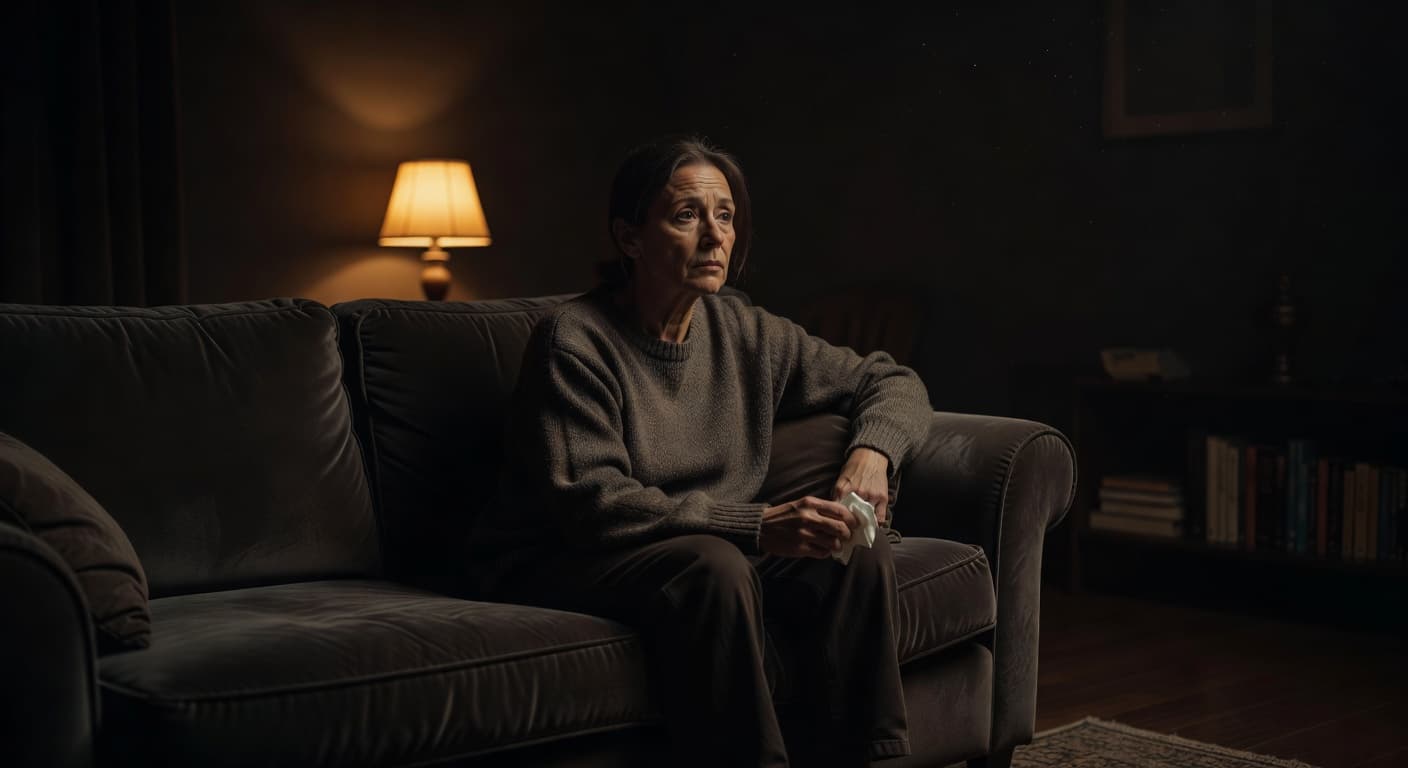
One common symptom is hypervigilance. You scan faces, words, and rooms for danger. You may find yourself constantly bracing, even in safe places. If that sounds familiar, understanding hypervigilance after emotional abuse can make this response feel less mysterious.
Another common experience is the emotional flashback. Instead of seeing a vivid scene from the past, you suddenly feel the old terror, shame, or helplessness all over again. A small trigger can make you feel trapped, young, or powerless in seconds. This guide on what to do during an emotional flashback may help if those waves hit hard.
Other signs may include:
- Frequent flashbacks and nightmares
- Startling easily
- Avoiding people, places, or conversations that remind you of the abuse
- Feeling numb or detached
- Trouble concentrating
- Shame that sticks to everything
- A strong need to apologize, explain, or keep the peace
Not every survivor has every symptom. Some people look fine on the outside while their inner world is in full alarm.
That mismatch can be painful. You may wonder why you are reacting like this when it is over. The answer is often simple: your body learned that safety could disappear without warning.
Why emotional abuse affects the nervous system so strongly
Your nervous system is built to protect you, and when danger is repeated, it adapts to keep you safe. In an emotionally abusive relationship, the threat is often unpredictable. Affection might turn into contempt in minutes, a normal question might trigger punishment, or the rules might change constantly while you are blamed regardless. This environment trains your brain to scan for risk nonstop, activating a constant fight-or-flight response.
Within the brain, the amygdala becomes hyper-reactive to perceived threats, while the hippocampus struggles to process memories clearly due to the flood of stress hormones. The body does not need physical bruises to register threat. It responds to humiliation, coercion, intimidation, and chronic stress. When this occurs over months or years, the state of ongoing trauma can stop feeling like an isolated event and start feeling like a permanent physiological setting. If you experienced childhood trauma, your nervous system may have already developed a baseline of sensitivity, making these adult responses feel even more intense.
This is why survivors often say they were walking on eggshells. It is not a metaphor pulled from nowhere. It is the body’s memory of needing to stay small, alert, and ready to avoid harm.
This state can also lead to shutdown. Some people become foggy, numb, or frozen instead of anxious. That response is still trauma, as it represents the nervous system attempting to survive through dissociation. If you struggle to trust your choices, speak up, or leave harmful situations, signs of learned helplessness after emotional abuse may feel familiar. This pattern is not laziness. It is what happens when repeated harm teaches you that nothing you do will keep you safe.
When the person hurting you is also the person you love, depend on, or hope will change, the impact runs even deeper. The bond itself becomes confusing because comfort and danger become tangled together.
When to seek help, and what recovery can look like
If symptoms are affecting your sleep, work, parenting, daily functioning, or sense of safety, it is a good time to reach out for support. Healing from emotional abuse is a courageous journey, and you do not have to walk it alone. If you are having panic attacks, dissociation, self-harm thoughts, or feel unable to cope, please contact local emergency services or a crisis hotline right away. In the U.S. and Canada, you can call or text 988.
This article is educational. It is not a substitute for therapy, diagnosis, or emergency care.
Connecting with a provider who offers trauma-informed care can help you understand whether you are dealing with PTSD, complex trauma, or other mental health responses. Depending on your needs, a professional might suggest evidence-based approaches such as EMDR therapy, cognitive behavioral therapy, prolonged exposure, or accelerated resolution therapy. While a clear diagnosis can shape your treatment plan, you do not need a formal label to start getting help or building a reliable support system of trusted friends, family, or counselors.
Recovery often begins with naming the pattern honestly. Not “we had communication issues” or “maybe I was too emotional.” If it was abuse, calling it abuse can be a vital part of your healing.
From there, small steps matter. Regular meals, sleep support, grounding skills, safer boundaries, less contact with harmful people, and steady emotional support can all help the nervous system calm down. So can learning how trauma shows up in your body. Relationship healing may also mean grieving what you hoped the relationship would be. That grief is real, as is the relief that can come when your body no longer has to brace for impact every day.
The recovery process is rarely neat. Some days feel lighter, while other days feel like you went backward. That does not mean healing is not happening; it often means your system is learning a new pattern, slowly and with care.
Frequently Asked Questions
Do I need a formal PTSD diagnosis to validate my experience?
No, you do not need a medical label to prove your pain is real or that the abuse occurred. If someone repeatedly manipulates, degrades, or destabilizes you, the harm is valid regardless of whether it meets clinical criteria for a specific diagnosis.
How does emotional abuse differ from normal relationship conflict?
Normal conflict involves accountability, the ability to express feelings without fear, and a mutual desire to repair the bond. Emotional abuse, conversely, centers on power, control, and the silencing of your perspective through intimidation or psychological manipulation.
Why do I feel like I’m still in danger even after leaving the relationship?
This is a common response known as hypervigilance, where your nervous system remains stuck in a defensive survival mode after long-term exposure to unpredictable stress. Your body learned to scan for threats to protect you, and it may take time and conscious effort to recalibrate and feel safe in your environment again.
What are some examples of ’emotional flashbacks’?
Unlike visual movie flashbacks, emotional flashbacks often manifest as an intense, sudden return of feelings like terror, shame, or helplessness. You might feel small or powerless in response to a minor trigger, such as a specific tone of voice or a delayed text, even when you are currently in a safe space.
Final thoughts
If emotional abuse has left you feeling anxious, numb, jumpy, ashamed, or exhausted, your response makes sense. The body often carries what the mind struggled to name.
For some survivors, those symptoms align with post-traumatic stress disorder. For others, they fit the pattern of complex PTSD. A qualified mental health professional can help you navigate these labels, but you do not have to wait for a formal diagnosis to believe your experience.
What happened in a harmful relationship can echo long after it ends. Healing from emotional abuse is a journey that often involves rebuilding your self-esteem and regaining a sense of emotional regulation. Recovery is possible, and it often starts with one steady truth: what hurt you was real.