When you keep asking yourself whether to stay or leave your relationship, you are usually not being dramatic. You are tired, confused, and hurt. You may feel like you are standing at a painful relational crossroads where even simple choices feel heavy after months of second-guessing yourself.
That question often shows up after years of mixed signals, broken trust, and emotional whiplash. The goal of this article is not to rush you into a rash decision. Instead, it is meant to help you sort facts from fear, look at patterns instead of promises, and find the clarity you need to decide whether you should stay or go.
Key Takeaways
- Prioritize Patterns Over Promises: Real change is defined by consistent, long-term behavior rather than apologies, temporary kindness, or grand gestures.
- Assess Safety and Respect: A healthy relationship requires emotional and physical safety, where you can express yourself, disagree, and set boundaries without fear of retaliation or manipulation.
- Distinguish Fear From Desire: Examine whether you are staying because you genuinely want the partnership or because you are afraid of the consequences, loneliness, or the process of starting over.
- Trust Your Intuition: When you feel consistently small, anxious, or disconnected from yourself, that is a significant signal that the relationship is damaging your well-being.
Why this question gets so hard in a toxic relationship
A painful relationship can scramble your sense of what is real. One day feels loving, the next feels cruel, and your mind keeps trying to make those pieces fit. That confusion is common when you are trapped in toxic cycles involving manipulation, emotional abuse, gaslighting, or a cycle of hurt followed by comfort.
Many people are not ignoring the truth. They are simply trying to survive the confusion.
Signs you are stuck in confusion, not peace
Peace feels steady. Confusion feels like your body never fully settles.
You may dread their mood when they walk in the room. You may replay conversations for hours, trying to figure out what happened. Maybe you censor yourself, walk on eggshells, or feel your chest tighten before you bring up anything hard. Often, you are dealing with red flags like emotional neglect or a persistent feeling alone, even when your partner is sitting right next to you. Even if there is not a blowup every day, you still do not feel safe enough to relax.
When a relationship keeps leaving you smaller, more anxious, or more disconnected from yourself, that matters. If you need help naming signs of emotional manipulation, start there.
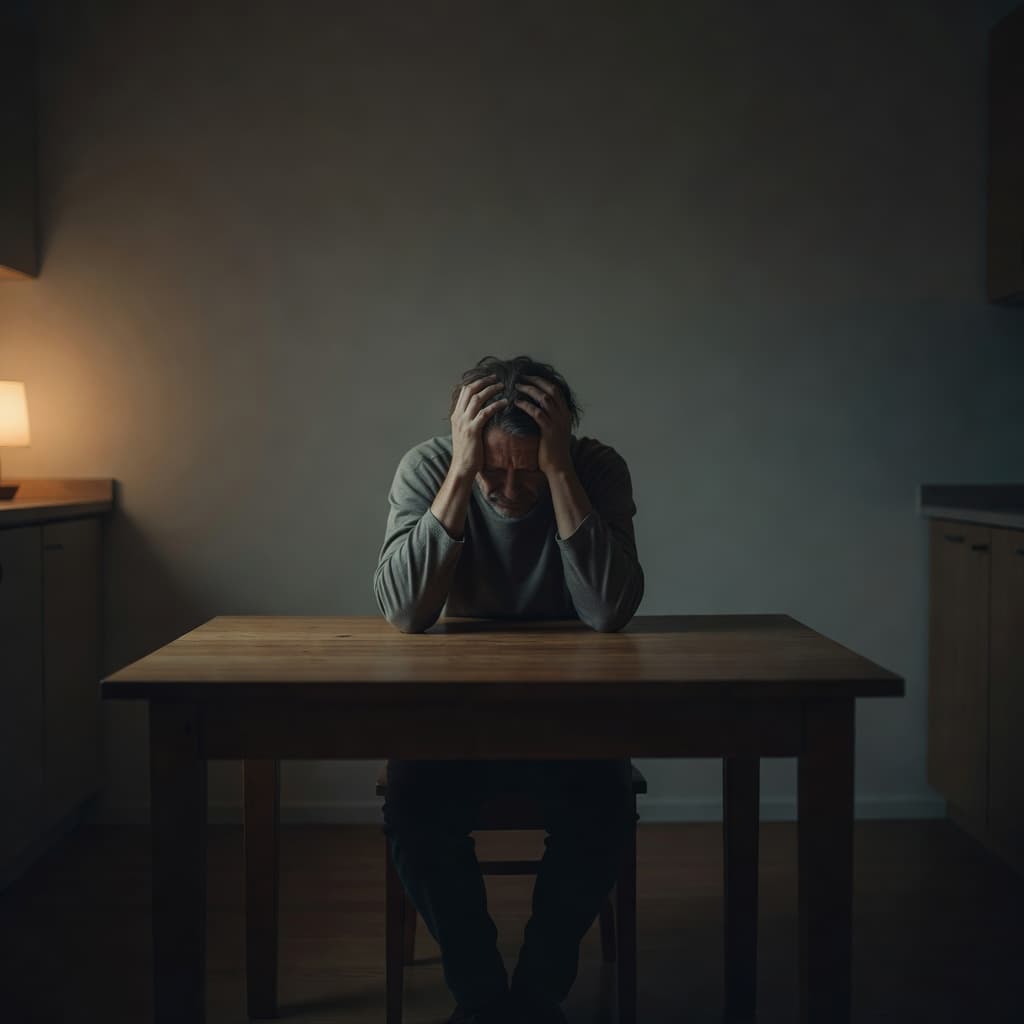
Why love, history, and hope can keep you attached
Strong feelings do not always mean a relationship is healthy.
Love, shared memories, kids, money, loneliness, and the fear of starting over can all keep you tied to someone who hurts you. So can trauma bonding. When care and harm keep getting mixed together, your nervous system can start chasing relief instead of real safety. If you are struggling to leave your relationship because these intense bonds feel impossible to break, this piece on why you miss an abusive partner may put words to it.
Hope can be powerful, but hope alone cannot carry a relationship. History cannot repair harm either. What matters most is what the pattern is doing to you right now.
Key Questions to Ask When Deciding If You Should Stay or Leave Your Relationship
When your thoughts spiral, broad questions do not help much. Concrete ones do. Do not ask if you love them enough or what happens if you regret leaving. Instead, ask what the relationship is actually like, day after day.
Do I feel safe, respected, and free to be myself?
Safety is not only about physical harm. It also includes emotional safety, which is a fundamental requirement for any partnership.
Can you disagree without being punished? Can you say no without guilt, rage, or the silent treatment? Are your feelings mocked, minimized, or turned against you? Do you feel free to have friends, opinions, privacy, and your own pace? True mutual respect means you feel safe expressing yourself without fearing the consequences. If respect only shows up when you are agreeable, that is not respect. If freedom disappears when they feel insecure, that is control.
Has the other person shown real change over time?
An apology is a moment. Change is a pattern.
Real change involves the other person taking accountability for their actions rather than offering excuses. It looks like harmful behavior stopping, staying stopped, and being replaced with healthier behavior over time. It includes an openness to therapy, a willingness to hear about the impact of their actions, and no pressure on you to move on before trust is rebuilt. This is the foundation of a healthy relationship.
Short bursts of kindness can feel convincing, but they are not the same as repair. If you need a simple outside comparison, this list of 15 signs of a toxic relationship puts the focus where it belongs, on consistency and damage.
Am I staying because I want this relationship, or because I am afraid to leave?
This question can sting, but it clears a lot of fog.
Maybe you fear being alone. Perhaps you are navigating a marriage with kids, shared finances, or pets. You might feel ashamed to tell people how bad it has gotten, or you may fear that you are making the wrong call. Those fears are real and deserve care, not judgment. However, it is also important to consider if your unmet needs are a sign that the partnership is no longer viable.
Still, fear is not the same as desire. Staying because you freely want the relationship is different from staying because leaving feels terrifying.
Clear signs the relationship is doing real damage
Some relationships do not just feel hard; they wear down your mental health, your self-trust, and your ability to function. Identifying the clear signs it’s time to leave is essential when you find yourself trapped in an unfulfilling relationship that depletes your energy.
When apologies never lead to lasting change
If the pattern is hurt, apology, calm, and repeat, pay attention to the repeat.
You do not need a perfect memory to see a cycle. Write down what happened, what was said after, and what changed. If the same behavior keeps returning after tears, promises, gifts, or affection, the apology is not fixing the problem. It is only resetting the cycle.
A healthy relationship can survive conflict. It cannot survive repeated harm without genuine repair.
When you are losing confidence in yourself
Toxic dynamics often make you doubt your own perception.
Maybe they tell you that you are too sensitive, too needy, too reactive, or too hard to love. Maybe they deny things they clearly said. Maybe every issue becomes your fault by the end of the conversation. Over time, you can start checking your memory, shrinking your needs, and sacrificing your self-worth just to keep the peace. When a partner lacks emotional availability, you may find yourself constantly performing or accommodating them, which leads to a painful erosion of your own identity.
That loss of self-trust is serious damage. A grounded overview of when to let go of a toxic relationship can help if you are trying to name what has been happening.
When fear, control, or intimidation are part of the relationship
Control can look subtle at first. It might manifest as monitoring your phone, questioning where you go, isolating you from friends, or threatening to leave or expose you. This often escalates into physical or verbal abuse, including pressuring you sexually, blocking your path during a disagreement, or driving recklessly to intimidate you.
If fear is part of the bond, take that seriously. If you do not feel free to leave a room, speak honestly, or protect your own peace, the relationship is fundamentally unsafe.
How to make a decision without getting stuck in overthinking
Overthinking can feel productive. Sometimes it is only delay in a smarter outfit.
You do not need perfect certainty to make a wise choice.
You need enough clarity to see the pattern, and enough self-trust to respond to it.
Use a 48-hour clarity check
Give yourself two days of focused reflection, not two more months of spinning.
Write down four things: what keeps happening, how you feel after contact, what has and has not changed, and what your life may look like in six months if nothing changes. While you analyze these points, listen to your gut feeling to help validate your intuition. Keep it factual. Keep it short. If you want more structure, a no regret decision system can help you move from looping thoughts to a grounded choice.
The point is action. Not endless analysis.
Separate facts, feelings, and fears
Facts are what happened. Feelings are what it brought up in you. Fears are what you worry might happen next.
For example, a fact is that they called you names during an argument. A feeling is that you felt humiliated and shaky afterward. A fear is that leaving means you will end up alone forever. When these three get mixed together, everything feels impossible. When you separate them, the picture gets cleaner.
Feelings matter. Fears matter too. But facts keep you anchored.
Decide what you will and will not tolerate next
Clarity means little if nothing changes after it.
Pick the line. Be honest about it. It may be no more insults, no more threats, no more lying, no more monitoring your phone, or no more pressuring you after you say no. Setting boundaries is the essential next step in moving from uncertainty to action. Then, decide what you will do if that line is crossed again, keeping in mind that choosing yourself is a necessary part of the process.
Boundaries are not wishes. They only work when there is follow-through.
What to do next if you choose to leave
If you have decided that the healthiest choice is to leave your relationship, you do not need to have every future detail solved today. You simply need a clear plan for your next steps. Whether you are facing broken trust, healing from infidelity, or simply realize it is time to walk away, having a strategy is essential for your well-being.
Make a private safety and support plan
Tell one or two trusted people about your plans. Secure important documents, protect your cash if you are able, and think through your arrangements for housing, transportation, passwords, and medications. You should also consider taking immediate legal or practical steps, such as consulting a legal professional or local authorities to understand the necessary protocols for separation or divorce. If the relationship includes threats, control, or intimidation, be sure to contact local domestic violence resources for professional safety planning.
Private planning can lower your panic and help you stay steady during this transition.
Expect mixed emotions after the breakup
Relief and grief can exist in the same body at the same time.
You may miss your partner, or you may doubt yourself. You might feel numb one hour and overwhelmed the next. None of those feelings mean that leaving was the wrong decision. Instead, they indicate that your system is adjusting after a long period of stress.
What to do next if you choose to stay
Sometimes people decide to stay, at least for now. If that is where you are, wishful thinking will not protect you. A real plan might.
Set non-negotiable boundaries with consequences
Name the behavior clearly. Say what must stop. Decide what you will do if it happens again. Setting boundaries is not about controlling the other person, but about protecting your own well-being. Vague limits usually get pushed, so clear ones are easier to track and enforce.
Watch actions for a longer period, not just a good week
Trust is rebuilt slowly. One calm weekend does not erase a long pattern of harm. Give more weight to what happens over time than to emotional talks, gifts, or sudden sweetness after conflict. If you are working toward a healthier relationship with your long-term partner, look for signs of mutual respect rather than grand gestures. Lasting change looks boring, steady, and accountable.
Get outside support for your own clarity
Isolation feeds confusion. Talk to a therapist, join a support group, or reach out to a trusted friend or faith leader who can help you reality-check what is happening. Seeking professional guidance through couples therapy can also provide a structured environment to address deep-seated issues. You should not have to figure this out alone. Outside support can help you hold on to your perspective when the relationship keeps pulling you back into doubt.
Frequently Asked Questions
How do I know if the relationship is truly toxic or if I am just being too sensitive?
Toxic dynamics often make you doubt your own perception by labeling you as ‘too sensitive’ or ‘reactive.’ Instead of focusing on your reaction, look at the objective facts: does your partner respect your boundaries, take accountability for their actions, and prioritize your safety? If you are constantly walking on eggshells, that feeling of unease is a valid signal that the relationship lacks safety.
What if I love my partner but the relationship is still unhealthy?
Love is a powerful emotion, but it is not enough to sustain a relationship if your core needs for safety and respect are being ignored. History, shared memories, and deep feelings can keep you tethered to a partner, but they cannot repair active harm. You must determine if you are loving the person they are right now or the potential of who you wish them to be.
Can a relationship actually change if I stay?
Lasting change is possible only if your partner takes full accountability and demonstrates a consistent, long-term pattern of healthy behavior. This requires more than just words; it requires staying stopped from harmful actions and often necessitates professional support like therapy. If the cycle of hurt and apology continues to repeat, it is a sign that the underlying issues are not being addressed.
How can I stop the cycle of overthinking my decision?
Overthinking often acts as a delay tactic that keeps you stuck in limbo. Try to separate your situation into three categories: facts (what happened), feelings (how it affected you), and fears (your worries about the future). Focus on the facts and use a short, defined period—such as 48 hours—to reflect and make a grounded choice based on the reality of your daily experience.
Choose the next right step
Deciding if you should stay or leave your relationship is fundamentally a question about safety, truth, and self-trust. While love is significant, it is not enough when fear, control, or recurring harm consistently undermine your experience. The ultimate goal is to prioritize your personal growth and seek the clarity required to build a healthy relationship, whether that is with your current partner or through a new beginning.
You do not need perfect certainty before you act. Instead, you need honesty about the existing patterns and the permission to believe what those patterns are telling you. If your body has been carrying this heavy question for a long time, listen to that internal signal. You can stop overthinking, trust what you see, and choose the path that protects your well-being.
Final Reflections
- Acknowledge the patterns: Do not ignore repeated behaviors that compromise your safety or happiness.
- Prioritize self-trust: Your intuition is a powerful tool when evaluating the quality of your partnership.
- Focus on growth: Every decision is an opportunity to move toward a more authentic and healthy life.
- Seek support: You do not have to navigate this transition alone, whether you decide to leave or work toward change.