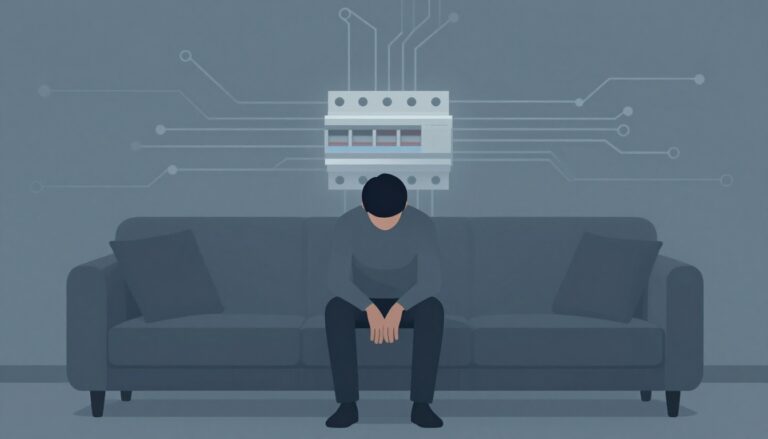
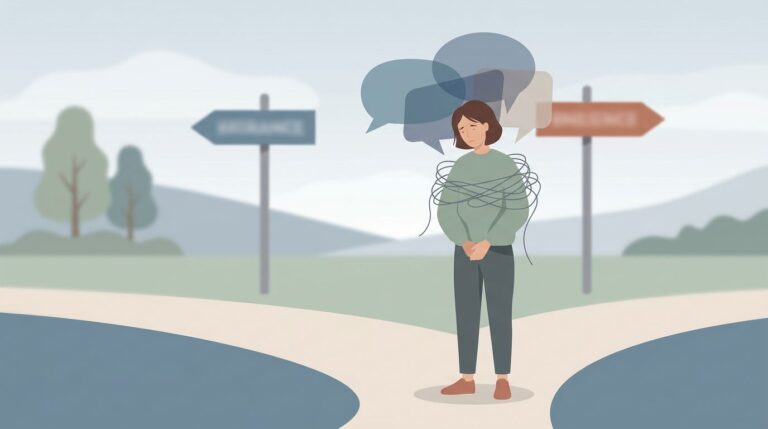
Some relationships hurt because two people want different things, and ordinary relationship conflict can still feel painful. Others hurt because one person repeatedly uses hurt, fear, or confusion to gain control. That may be emotional abuse, a form of psychological abuse.
Trying to sort out emotional abuse vs incompatibility can feel exhausting when you care and hope the next conversation will go differently. Emotional triggers can intensify conflict, but they do not prove abuse on their own. You may wonder if you are too sensitive, too demanding, or simply bad at relationships. You are not wrong to question an unhealthy relationship, even if you hesitate to call it a toxic relationship.
Relationship incompatibility is a painful mismatch in needs, values, or hopes. Do these relationship dynamics show a painful mismatch, or emotional abuse making you smaller through power and control, eroding freedom, self-trust, or self-esteem?
Key Takeaways
- Incompatibility is a painful mismatch in needs, values, or hopes, while emotional abuse is a repeated pattern of power, control, humiliation, intimidation, or manipulation.
- The clearest difference is whether both people can speak, set boundaries, keep their freedom, and repair conflict without fear or punishment.
- Emotional triggers, trauma, narcissism, stress, or relationship differences may provide context, but they do not excuse abusive behavior or intimate partner violence.
- Look for patterns such as gaslighting, isolation, financial control, surveillance, sexual pressure, punishment for saying no, and a growing loss of self-trust.
- You do not need to confront a controlling partner or diagnose them to take your discomfort seriously and seek confidential, safety-focused support.
Emotional Abuse vs Incompatibility: Look at Power and Freedom
Relationship incompatibility means two people have real differences that don’t fit well together. You may disagree about money, parenting, intimacy, religion, social time, or where to live. The conflict can be painful. It can even end the relationship.
Still, both people can have a voice. Both can say no. Both can keep their friendships, values, privacy, personal boundaries, and basic dignity.

Emotional abuse is different. It’s a repeated pattern of humiliation, intimidation, manipulation, punishment, or control. This abusive behavior may include verbal abuse, sexual abuse, or other forms of domestic abuse. Whatever the stated reason, the result is clear: one person has more power, while the other becomes afraid to speak, disagree, spend money, see people, or trust their own memory.
A single cruel comment needs context when you’re assessing emotional abuse. People can say hurtful things in conflict, own the harm, and work to repair it. A disagreement about spending isn’t automatically financial abuse, also called economic abuse. A pattern tells a different story. Does the behavior repeat after apologies? Do the rules keep changing? Do you feel less free each month?
Agreed rules can become coercive in the same way, including in non-monogamous relationships; when polyamory rules turn into emotional control shows where shared agreements cross that line.
Incompatibility asks, “Can we live with this difference?” Abuse says, “You will pay for having a difference.”
A relationship can contain both. You may have genuine differences about lifestyle or values while also experiencing controlling behavior and domestic abuse, including intimate partner violence. One problem doesn’t erase the other.
Research on intimate partner violence describes emotional and psychological abuse as patterns involving manipulation tactics that can confuse, punish, control, and harm. It connects these patterns to intimate partner violence, including domestic abuse that can occur within domestic violence without physical injury. You don’t need bruises or a dramatic moment for psychological abuse to matter.
When Conflict Becomes Coercive Control
Relationship conflict can be messy, and healthy partners may become defensive, need space, or struggle to find the right words. The key difference is whether there is room for repair, rather than a pattern of emotional abuse or intimate partner violence.
In a healthy disagreement, both people can raise concerns without fearing punishment. An apology includes changed behavior. Personal boundaries may disappoint someone, but they are still respected.
Coercive control removes that room. It can be a form of domestic abuse and psychological abuse. It can include tech abuse, account demands, control over clothing, sexual abuse, verbal abuse, insults toward friends, humiliation, or isolation tactics. A controlling partner may exploit emotional triggers, limit work, restrict contact, or demand permission to keep you off balance. Women’s Aid describes coercive control as abuse that creates fear across many parts of a survivor’s life.
Here is a clearer comparison of relationship dynamics shaped by incompatibility or domestic abuse:
| Focus | When there is incompatibility | When there is abusive control |
|---|---|---|
| Repair | Both people can revisit conflict and make changes. | Promises end conflict, but harmful behavior continues. |
| Needs | Needs are discussed, even when compromise is impossible. | One person’s needs are mocked, dismissed, or used against them. |
| Personal boundaries | Personal boundaries may disappoint, but they are respected. | Boundaries trigger guilt, surveillance, pressure, or consequences. |
| Freedom | Each person keeps freedom over ordinary choices and identity. | One person must ask permission or fear the other’s reaction. |
| Relationships | Each person keeps their own relationships and outside contacts. | Friends, family, work, or outside contact are restricted. |
| Emotional impact | Conflict may feel sad or frustrating. | Conflict leaves one person fearful, confused, or unable to trust themselves. |
Gaslighting can be part of a broader pattern of emotional abuse and psychological abuse. It goes beyond a different memory of an event. It is a repeated use of manipulation tactics to make you doubt what happened, what you feel, or whether you are allowed to name harm. The GBV Learning Network’s explanation of gaslighting connects it directly to power and control in intimate partner violence.
You may hear, “We are just incompatible,” after they insult you, isolate you, or control money. That phrase can make an unhealthy relationship seem like a toxic relationship caused by mutual incompatibility. But mutual frustration is not the same as one person’s abusive behavior in a one-sided pattern of domestic abuse.
Questions That Can Help You See the Pattern
You don’t have to decide today whether you’re experiencing intimate partner violence. These questions aren’t a test you can fail. They can help you notice what has become normal around you.
- Can you express a need without preparing for anger, verbal abuse, ridicule, or silent treatment?
- When you say no, does your partner respect your personal boundaries, or punish you until you give in?
- Is your consent respected, or do pressure or sexual abuse leave you unable to choose freely?
- Do you feel free to see friends, work, rest, spend money, and make everyday choices?
- Are you often told your memory is wrong, your feelings are ridiculous, or that you caused their abusive behavior?
- Have you started hiding harmless things because honesty feels unsafe?
- After conflict, do you feel heard and steadier, or smaller and more confused?
Taken together, these questions can help you notice possible emotional abuse within a broader pattern of domestic abuse. They are meant to support reflection, not provide a diagnosis.
Pay attention to your body, too. Emotional triggers can bring up strong feelings. Fear of a partner’s reaction is different. So is feeling that you have to manage another person’s mood to keep the peace.
You may notice a growing loss of autonomy or reduced access to your support network. Isolation tactics can make you avoid family, while comments may shape what you wear. These changes can happen gradually, which is why they’re easy to explain away.
If gaslighting has made your judgment feel unreliable, rebuilding self-trust after emotional abuse can begin with small, steady choices. Repeated denial of your reality can become psychological abuse, and ongoing fear and confusion can affect your mental health. Your discomfort is information. You don’t need someone else’s permission to take it seriously or seek confidential support if domestic abuse or intimate partner violence may be present.
Can Trauma, Narcissism, or Love Explain the Harm?
Childhood trauma, grief, mental health struggles, and emotional triggers can affect how people handle conflict. They may provide context, but they do not cause or excuse emotional abuse, intimate partner violence, or other forms of domestic abuse. People can carry pain without controlling, humiliating, or frightening their partner. Neither does relationship incompatibility justify abuse.
Narcissism is often used online as a catch-all label for selfish or manipulative behavior. Focus on repeated manipulation tactics rather than diagnosing someone from a distance. Only a qualified clinician can diagnose a personality disorder or evaluate mental health concerns. You do not need a diagnosis to recognize that psychological abuse is harmful.
A person can change only when they take full responsibility for their behavior. That means acknowledging abusive behavior without blaming stress, alcohol, trauma, incompatibility, or you. A communication problem differs from a pattern of power and control, and no explanation excuses sexual abuse. Change requires sustained action, accountability, and professional support chosen by them.
Promises after a blowup are not proof of change. Neither are tears, gifts, or a brief calm period. Emotional triggers may explain reactivity, but they do not excuse repeated intimidation or humiliation. Look for respect that lasts when you disagree, set a limit, or have needs.
Couples counseling can be useful for mutual relationship conflict, but appropriate counseling services depend on the relationship dynamics. Both partners must have genuine freedom and safety, and relationship healing doesn’t have to mean repairing the relationship. It may be unsafe when coercion, intimidation, fear, or unequal power shape relationships, including domestic violence or intimate partner violence. Standard couples work may be unsafe when domestic abuse is present; sometimes healing means returning to your own voice.
If You Need Space to Think and Plan
You do not have to confront a controlling partner to prove emotional abuse is happening. Power and control can make private planning safer than confrontation. If it feels safe, keep a private record of intimate partner violence or domestic abuse, including the date, abusive behavior, context, witnesses, and aftermath. Note threats, broken belongings, or property damage when relevant. Save texts, emails, voicemails, or screenshots only if doing so will not increase risk. These records may clarify psychological abuse.

Financial abuse deserves attention, too. It may look like being prevented from working, having your spending tracked, receiving an allowance, being forced to share account access, or being punished for purchases. Economic abuse can include these restrictions, so document financial abuse, account limits, or spending surveillance when it feels safe. The U.S. Department of Justice lists economic abuse alongside psychological abuse, sexual abuse, and technological abuse.
Think about digital safety before searching for support or storing notes about intimate partner violence. Tech abuse may involve monitoring a shared device, email account, phone plan, or browser history. Isolation tactics can make it harder to contact friends, advocates, or services. A library computer, trusted person’s device, or confidential advocate may offer a safer place to seek help. If these steps activate emotional triggers, choose a slower plan.
If you are in the United States, the National Domestic Violence Hotline offers confidential support 24 hours a day for domestic abuse and intimate partner violence. Advocates can discuss psychological abuse or sexual abuse and help with safety planning related to domestic violence. If you are in immediate danger, contact local emergency services. Outside the United States, use a local domestic abuse service in your own country, since hotlines and legal protections differ by location.
You deserve support that does not pressure you to leave a toxic relationship before you are ready. A trusted friend, trauma-informed counselor, advocate, or local counseling services can help you think through options privately. Support should respect your mental health, pace, and support network.
Frequently Asked Questions
How can I tell whether we are incompatible or experiencing emotional abuse?
Incompatibility involves real differences that may be painful but still allow both people to speak, choose, and maintain personal boundaries. Emotional abuse involves a repeated pattern of fear, punishment, humiliation, manipulation, or control that makes one person less free.
Does frequent conflict automatically mean emotional abuse?
No. Conflict can be unhealthy without being abusive, especially when both people can take responsibility, repair harm, and change their behavior. The pattern of power and control matters more than the existence of disagreement.
Can trauma or mental health struggles excuse emotional abuse?
Trauma, grief, mental health struggles, and emotional triggers may help explain behavior, but they do not excuse intimidation, humiliation, coercion, or control. Meaningful change requires full responsibility, sustained action, and respect for your safety and boundaries.
Is couples counseling safe when emotional abuse may be present?
Standard couples counseling may be unsafe when coercion, intimidation, fear, or unequal power shape the relationship. Consider speaking privately with a qualified advocate or trauma-informed professional who understands domestic abuse before choosing counseling services.
What should I do if I am unsure what is happening?
You do not have to decide immediately whether the relationship meets a particular label. If it feels safe, notice patterns, protect your privacy, document concerning behavior, and seek confidential support from a trusted person, advocate, or local domestic abuse service.
A Clearer Way Forward
Incompatibility can bring sadness and hard decisions. Emotional abuse brings a loss of safety, freedom, and self-trust.
You do not have to solve or excuse another person’s abusive behavior before seeking support. Naming the pattern and protecting your privacy are meaningful steps. Taking your feelings seriously can help rebuild self-esteem and self-trust with a trusted support network.
Recognizing an unhealthy relationship is a valid reason to seek clarity. Your life should not shrink around another person’s reactions.