If someone keeps hurting you, says the right words, then does it again, the problem isn’t the apology. It’s the pattern.
Many people searching emotional abuse narcissism are trying to name that loop in a partner, parent, or close relationship. This article is educational, and it isn’t a substitute for mental health or legal advice. Still, clear language can help you trust what you’ve been feeling.
Why repeated apologies can be part of emotional abuse
A real apology should create safety. In emotionally healthy relationships, repair leads to different behavior over time. In emotional abuse, the apology often works like a reset button. It calms the crisis, pulls you back in, and protects the person from accountability.
Not every poor apology means abuse. People get defensive, immature, or ashamed. Some say the wrong thing, then reflect, listen, and improve. The difference is persistence. In relationship abuse, the same harm keeps returning, especially after you explain the impact.
One bad night looks different from a months-long script. In occasional unhealthy behavior, the person can hear feedback without punishing you for it. In abusive patterns, your pain becomes the new offense. You bring up what happened, and suddenly you’re defending your tone, memory, or loyalty.
This pattern often appears in dynamics linked to narcissism. That doesn’t mean you need to diagnose anyone. It does mean you can notice traits that show up again and again, like needing to be right, blaming others for pain they caused, punishing boundaries, or acting wounded whenever accountability comes up. If that sounds familiar, it may help to read more about understanding narcissistic abuse dynamics.
If you’ve stayed hopeful, that makes sense. Repeated remorse can feel sincere, especially after fear, tension, or silent treatment. Relief is powerful. It can make a brief calm feel like proof that change has started, even when the cycle is still running underneath.
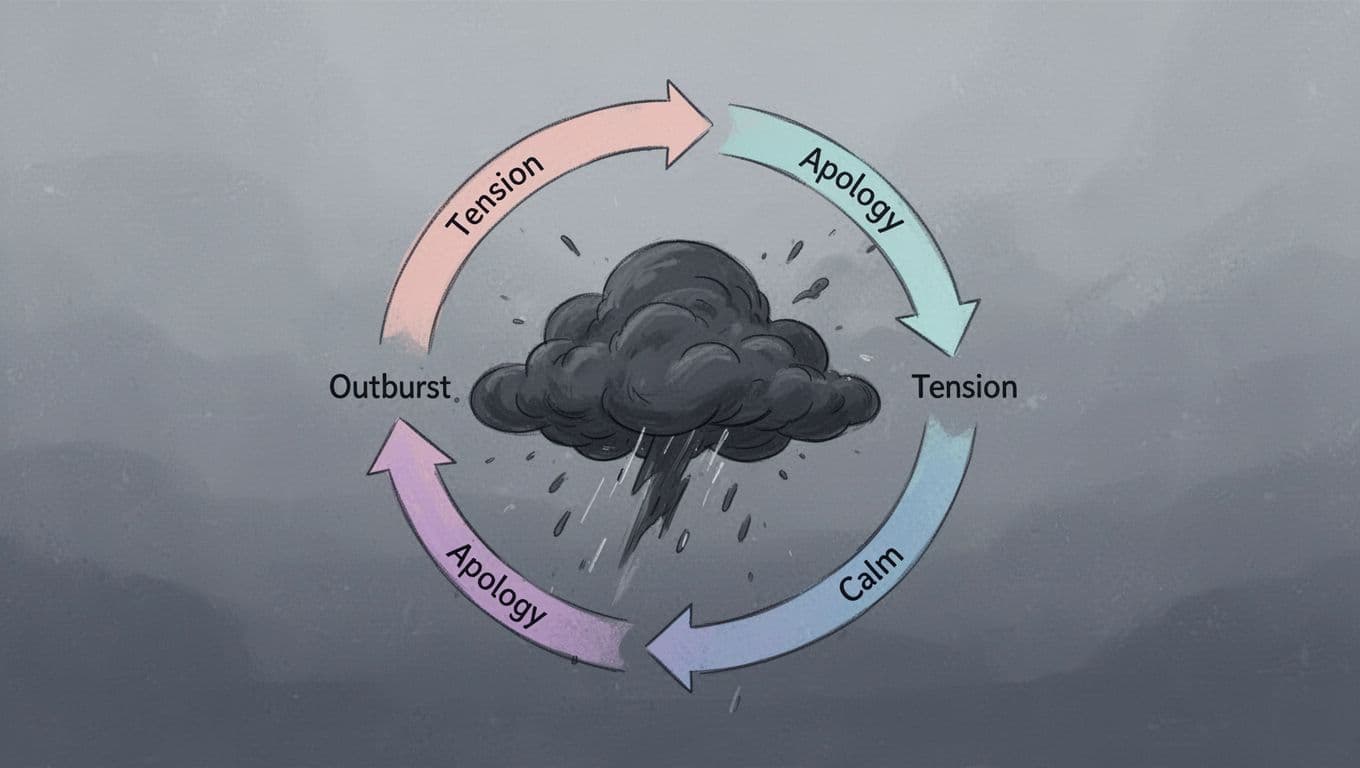
What empty apologies sound like, and what genuine change looks like
Empty apologies often sound polished, emotional, even convincing. Yet they still protect the person who did harm.
Common examples include:
- “I’m sorry you feel that way.”
- “I said sorry, what more do you want?”
- “You know I only act like this when you push me.”
- “I was stressed, drunk, tired, or triggered, so let’s move on.”
These phrases dodge the real issue. Some minimize. Some blame you. Others rush you to forgive before trust is rebuilt. In many cases, they also come with gaslighting, pressure, or sudden affection. That mix can deepen confusion and feed a trauma bond. If that pull feels familiar, this guide on the difference between trauma bonding and healthy love can help.
Sometimes the apology also comes with gifts, tears, sex, or a painful story from their past. Those details may be true. However, real pain doesn’t erase harm. A hard past can explain behavior, but it doesn’t excuse repeating it.
An apology without changed behavior often restores access, not trust.
Genuine repair sounds different. It names the action clearly. It doesn’t ask you to carry the blame. It leaves room for your anger, hurt, or distance. Most of all, it shows up in behavior next week, not only tonight.
Real change might look like this: “I yelled and mocked you. That was wrong.” Then the person stops yelling, goes to therapy, accepts boundaries, and doesn’t punish you for bringing it up again. If they slip, they don’t twist the story. They take responsibility faster.
Healthy repair is usually slower and quieter than fake remorse. There’s less drama and more consistency. Over time, you feel steadier, not more confused. That’s a key part of relationship healing. The goal isn’t a perfect apology. The goal is safety, respect, and lasting accountability.
When to seek support, and how recovery starts
If apologies never lead to change, you don’t have to solve it alone. Support matters because repeated emotional harm can wear down your judgment, energy, and sense of self. That is especially true in long-term relationship abuse, where you may start apologizing just to keep the peace.
Consider reaching out to a therapist, domestic abuse resource, or trusted person if:
- you feel afraid to raise concerns
- the person isolates, threatens, monitors, or intimidates you
- every conflict ends with you doubting your memory
- you feel stuck between relief, guilt, and dread
Seeking help doesn’t mean you must leave today. It can mean documenting what happens, making a safer communication plan, or asking one steady person to reality-check the next apology with you.
If leaving, confronting, or setting limits could raise risk, safety planning matters more than winning an argument. A domestic abuse resource can help you think through next steps in a private, practical way. A trauma-informed therapist can also support recovery without forcing labels or blaming you for staying.
Recovery doesn’t begin when the other person finally “gets it.” It begins when you start believing the pattern. From there, relationship healing often looks plain at first. You rest more. You explain less. You trust your body sooner. You stop treating scraps of remorse like proof of change. Over time, those quiet shifts become real strength. If you need a grounded picture of progress, these signs of progress in emotional abuse recovery can help you see what healing often looks like.
Someone can cry, promise, and say all the right words. Still, if the harm stays the same, the apology isn’t repair. It’s part of the pattern.
That’s the hardest truth in emotional abuse and narcissism, but it can also be the start of recovery. When “sorry” never leads to change, your clarity matters more than their performance.