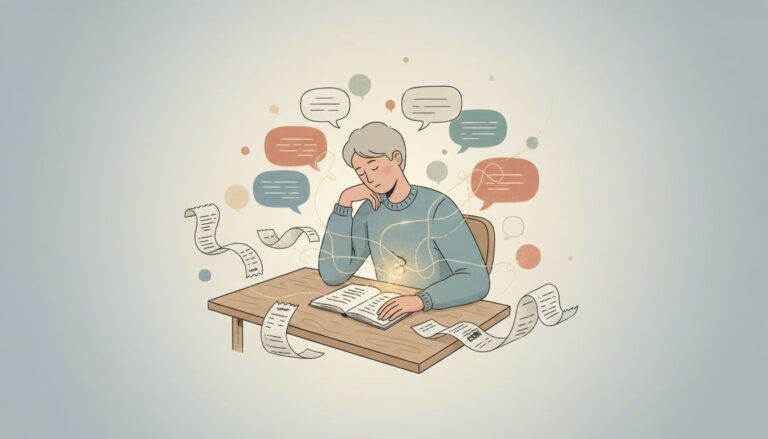
If you’ve ever thought, “Nothing looks wrong, so why do I feel so broken?”, you’re not imagining it. Emotional abuse often doesn’t leave bruises. It leaves a fog. And when narcissistic traits are part of the dynamic, that fog can feel thick enough to erase your own reality.
From the outside, the relationship may look normal, even enviable. Inside, you might feel small, anxious, and constantly “off.” That mismatch is one reason emotional abuse and narcissism can be so hard to name. You live it every day, yet you struggle to explain it to yourself, let alone anyone else.
This article is educational, not a substitute for therapy, diagnosis, or legal advice. Only qualified professionals can diagnose Narcissistic Personality Disorder (NPD). If you’re in danger or being threatened, contact local emergency services or an abuse hotline in your area. If you’re planning to leave, consider a safety plan first.
Why emotional abuse feels invisible (especially with narcissistic traits)
Emotional harm can hide behind everyday moments. A partner can smile at a party, then punish you with cold silence at home. They can praise you in public, then question your memory in private. The contrast makes you doubt yourself, because the “nice” version seems to cancel out the cruel one.
Narcissistic behaviors often add a specific twist: the relationship becomes a stage where you’re always “wrong,” and they’re always “misunderstood.” The pattern isn’t constant yelling. It’s constant correction.
Here’s what “invisible” often looks like in real conversations:
- “I never said that. You always twist my words.”
- “You’re too sensitive. I was joking.”
- “After everything I do for you, this is the thanks I get?”
- “You’re the reason I act like this.”
Each line sounds small. Together, they create relationship abuse that rewires your sense of what’s reasonable.
This is also why many people hesitate to use the word “abuse.” It can feel “not bad enough.” Yet emotional abuse is defined by pattern and impact, not volume. If you’re trying to understand the bigger cycle and why it hits so hard, this guide on understanding narcissistic abuse dynamics can help put language to what you’ve been living.
To make the “invisible” part clearer, it helps to compare what others can see versus what you carry.
| What people can see | What you experience |
|---|---|
| They’re charming, polite, helpful | You feel anxious before speaking |
| No hitting, no obvious threats | You fear “setting them off” anyway |
| Apologies and gifts | The same harm repeats, just softer |
| A good job, a good image | You’re isolated, blamed, and doubting yourself |
The takeaway: emotional abuse often hides in plain sight because it looks like “personality,” “stress,” or “miscommunication,” until you track the pattern over time.
If you have to give up your reality to keep the peace, the peace isn’t real.
The quiet damage: confusion, numbness, and loss of self
One of the most painful parts of emotional abuse narcissism is how it changes you. Not because you’re weak, but because your nervous system adapts. When the rules keep changing, your brain starts scanning for danger. You read tone, timing, and facial expressions like they’re weather reports.
Over time, many people notice:
- Decision paralysis: You second-guess simple choices because you’ve been criticized for having needs.
- Emotional numbness: You stop feeling to stop hurting. It’s a survival skill, not a character flaw.
- Hypervigilance: Your body stays on alert, even during “good” days.
- Memory doubt: Gaslighting makes you question your recall, then you trust their version instead.
- Shame and self-blame: You take responsibility for their moods, their anger, and their distance.
The damage can look “quiet,” but it’s real. HelpGuide’s overview of recognizing narcissistic abuse and starting healing explains how these patterns affect self-esteem, boundaries, and mental health.
This is also why friends may not get it. They see isolated incidents. You feel the drip-drip effect. It’s like living under a leaky faucet. One drop doesn’t flood a house, but months of drops ruin the ceiling.
If you’re recovering and keep asking, “Why do I miss them?” or “Why can’t I just move on?”, trauma bonding and intermittent kindness can play a role. When affection and punishment alternate, your brain learns to chase relief. That chase can feel like love, even when it hurts.
Reality-checking and recovery steps that rebuild self-trust
You don’t need the “perfect label” to start recovery. You need support, clarity, and small actions that bring you back to yourself. Think of it like regaining your footing after walking on shifting sand.
Start with one goal: reduce confusion. Then build from there.
A simple reality-check routine (when your mind starts spiraling)
When you catch yourself thinking, “Maybe it’s my fault,” try this three-part reset:
- Ground your body first: Put both feet on the floor. Name five things you see. Slow your exhale.
- Write the facts, not the debate: In a notebook, record what happened, what was said, and how you felt after.
- Borrow a steady mind: Reality-check with a trusted person who won’t minimize it.
That third step matters because emotional abuse often thrives in isolation. If you don’t have a safe person, consider a counselor, a support group, or a trauma-informed coach.
Therapy and support that can help with relationship healing
Different tools work for different people, but many survivors benefit from:
- Trauma-informed CBT: Helps you challenge blame and rebuild healthier thinking patterns.
- EMDR: Often used for trauma memories and body-based triggers.
- Support groups: Hearing “me too” reduces shame fast.
For a plain-language overview of healing steps, Talkspace’s guide on how to heal from narcissistic abuse is a useful starting point.
Safety planning if you’re leaving (especially if control escalates)
If you’re preparing to leave, safety comes first. Many people see manipulation intensify when control slips. Consider planning quietly:
Keep copies of important documents, set aside emergency money if possible, and change key passwords. In addition, tell one trusted person what’s happening, and pick a safe place to go if things escalate. If you share a home, avoid announcing plans during a conflict.
If you want a centralized place to explore options, worksheets, and outside support, Living Numb’s FAQs on emotional abuse recovery can help you find next steps without overwhelm.
Healing often starts the moment you stop arguing with your own memory.
Conclusion: naming the invisible is part of healing
Emotional abuse can feel invisible because it’s designed to be deniable. Narcissistic traits can make that denial feel airtight, because you’re trained to doubt yourself first. Still, clarity grows when you track patterns, reality-check gently, and ask for support.
You deserve relationship healing that doesn’t require you to disappear. If you’re unsafe or being threatened, reach out to local emergency services or an abuse hotline in your area. Above all, keep choosing steps that bring you back to your own mind, because recovery is real, and you don’t have to do it alone.