Sometimes the hardest emotional abuse signs to name are the ones wrapped in care. A partner says they worry about you, want to protect you, or only want what’s best. Still, you leave those talks feeling smaller, watched, or unsure of yourself.
If that sounds familiar, you’re not overreacting. Concern can be real, but so can control. The difference often shows up in the pattern, the pressure, and who holds the power.
Why “care” can hide emotional abuse
Healthy concern respects your freedom. It makes room for your voice, your choices, and your limits. By contrast, emotional abuse often uses the language of love to tighten control.
That is why relationship abuse can feel so confusing. The behavior may not look harsh at first. It may sound gentle, even devoted. Yet over time, it can train you to second-guess your own judgment.
A caring partner might say, “I’m worried, can we talk?” An abusive partner may say the same words, but punish you if you disagree. That’s a different dynamic.
The key question is not only what they say. It’s how you feel and what happens if you say no.
This article is for information and support. It’s not a substitute for therapy, legal advice, or emergency help. If you feel unsafe, reach out to trusted people, a local domestic violence service, or emergency support in your area.
Emotional abuse signs that are often mistaken for love
One of the clearest emotional abuse signs is monitoring framed as care. Your partner wants your passwords, checks your location, or asks for constant updates “so they know you’re safe.” On the surface, that may sound protective. In practice, it can become surveillance.

Isolation can also wear a caring mask. A partner may warn you that your friends are bad for you, your family doesn’t understand you, or other people are trying to hurt your relationship. At first, it can sound loyal. Later, you may notice your support system has quietly shrunk.
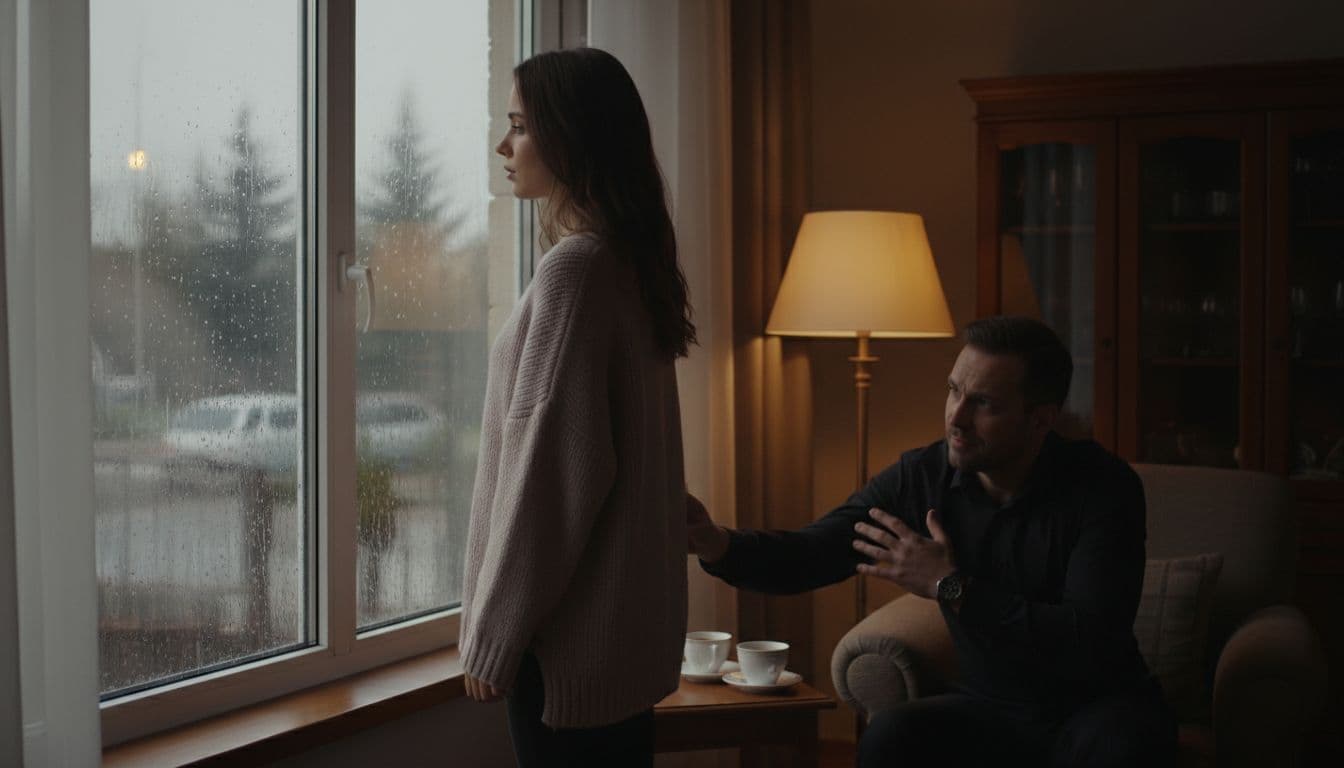
Jealousy is another common trap. Some people are taught that jealousy proves love. But repeated suspicion, accusations, or demands to prove your loyalty are not signs of deep love. They’re signs that your partner may want control more than trust.
Criticism can hide behind “helping.” Maybe they say they’re only being honest about your clothes, body, tone, or personality. Maybe they call it advice. However, if their comments leave you embarrassed and less confident, the impact matters.
Guilt can sound caring too. “After all I’ve done for you” or “I worry because I love you so much” can become tools to silence your needs. Love should not feel like a debt you can never repay.
Here’s a simple side-by-side view:
| Looks like concern | Feels like control over time |
|---|---|
| “Text me so I know you’re home” | “Why didn’t you answer in 5 minutes?” |
| “Your friends seem off” | “Stop seeing them, they poison you” |
| “I’m only trying to help” | “You’re too sensitive to take feedback” |
| “I just love you so much” | “You make me act this way” |
If you need a broader view of what emotional abuse looks like, that guide can help put these moments into clearer words.
Context, patterns, and power matter more than one moment
A single awkward comment does not define a whole relationship. People get scared, defensive, or clumsy. What matters is the pattern.
Does the behavior repeat? Does it get worse when you ask for space, privacy, or respect? Do they listen when you say something hurts, or do they flip the story until you’re the one apologizing?
Power matters too. If one person sets the rules, decides what is “reasonable,” and punishes disagreement, that crosses into relationship abuse. The harm is often cumulative, like water dripping on stone. One drop may seem small. The damage shows up later.
This is also why labels like narcissism can feel tempting. Sometimes people do notice traits tied to narcissistic abuse patterns, such as blame-shifting, lack of accountability, or charm in public and cruelty in private. Still, you do not need to diagnose anyone to trust what is happening to you.
A more grounding question is this: who gets to be a full person in the relationship? If your needs keep disappearing to protect theirs, something is wrong.
What to do if this feels uncomfortably familiar
Clarity often comes in waves. You may see the pattern one day and doubt yourself the next. That’s common, especially when care and harm are mixed together.
Start small. Write down what happened, how it felt, and what changed after you spoke up. Patterns are easier to see on paper than in the middle of confusion. Also, tell one safe person the truth without softening it.
If possible, talk with a trauma-informed therapist or advocate. If you feel watched, threatened, trapped, or scared of how your partner may react, seek support before confronting them. Safety comes first.
Recovery is not about proving how bad it was. Recovery is about getting your footing back. That may include stronger boundaries, more support, and learning what healthy care feels like. If you want extra support, Living Numb has helpful tools for relationship healing.

Relationship healing can be slow, especially after emotional abuse. Still, healing does happen. You can rebuild trust in your own mind, your own body, and your own voice.
What looks like concern is not always care. If “love” keeps asking you to shrink, explain, obey, or doubt yourself, pay attention to that pattern.
You deserve care that feels safe, not care that feels like a cage. If this article brought something into focus, let that clarity be your next small step toward recovery.