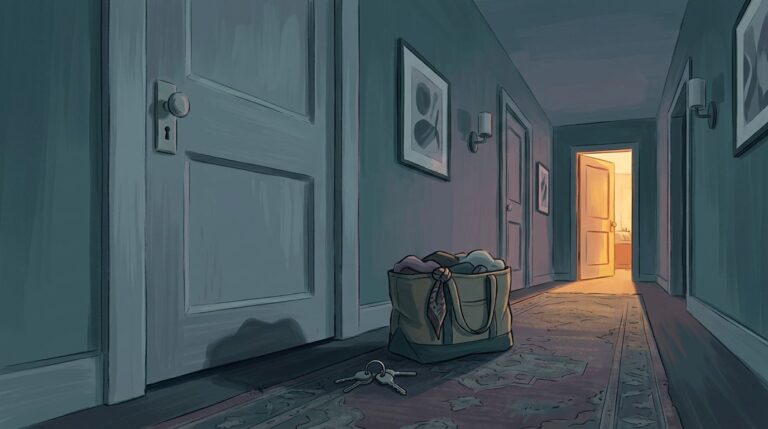
An address is more than a line on a form. After abuse, it can feel tied to your safety, privacy, and ability to breathe.
If you’re trying to protect address after abuse, you don’t have to solve every risk today. Emotional abuse can include monitoring, stalking, coercive control, or interfering with mail. Those behaviors can make ordinary decisions feel loaded.
Start with the steps that give you more choice and less exposure. You can move carefully, at your own pace.
Key Takeaways
- You don’t have to change every address or account at once; move carefully and prioritize the steps that reduce exposure and increase your control.
- Ordinary USPS mail forwarding can help with convenience, but it does not hide your location or remove your address from other records.
- An Address Confidentiality Program may provide an eligible survivor with a substitute mailing address, but rules and protections vary by state.
- Ask agencies, courts, schools, employers, and service providers about confidential-address procedures before submitting a residential address.
- Secure email, phones, shared accounts, devices, and documentation as part of protecting your address and overall safety.
How to Protect Address After Abuse, One Careful Step at a Time
You may feel pressure to move quickly, especially if someone has made you doubt your judgment. But a rushed address change can leave trails through mail, account notices, shared devices, or public records.
This is general safety information, not legal advice. A domestic violence advocate, legal aid office, or local attorney can explain the rules where you live.
Notice the places your address already lives
Your address may appear in more places than you expect. Think about mail, bank accounts, medical portals, school records, voter registration, vehicle records, delivery apps, work payroll, and court documents.
Relationship abuse can make this feel overwhelming. You don’t need a perfect inventory. Write down the most important accounts and institutions, then work through them slowly.
Some survivors use the word narcissism to describe a person who needs control or reacts badly to boundaries. Whatever label fits or doesn’t, focus on the behavior. Has this person opened your mail, tracked packages, checked your phone, or asked others where you live? Those details matter.
Make decisions from a safer place
Use a device, email account, and phone number the other person can’t access, if possible. Don’t assume it’s safe to change passwords, close accounts, or announce a move without support. Sudden changes can draw attention in controlling situations.

A trusted friend, advocate, or attorney can help you think through timing. You might also keep copies of IDs, court papers, lease documents, and important account numbers somewhere secure.
For a wider plan that includes housing, communication, and support, consider creating a safety plan for emotional abuse.
If you are in immediate danger, call local emergency services. A domestic violence hotline can provide immediate support and safety planning. In the U.S., call 911. You can also contact the National Domestic Violence Hotline at 800-799-SAFE (7233), chat online, or text START to 88788, using a safer device if you can.
Be Careful With USPS Change of Address Requests
A USPS request is useful for many moves. It is not automatically a privacy tool. To protect address after abuse, don’t treat ordinary mail forwarding as the whole plan.
USPS uses identity verification for online requests and charges a small verification fee. The process may also create confirmation messages or mailed notices. Check current USPS guidance before starting, since procedures and fees can change.
Forwarding mail is not the same as hiding your location
A forwarding order changes where eligible mail goes. It doesn’t remove your old or new address from every company’s records. Mail forwarding services can help with convenience, but they don’t hide your location. Service providers may still send confirmations, bills, offers, or other notices connected to an account.
Ordinary mail forwarding can help with convenience, but it may create risks when your location needs to stay private.
If an abusive former partner can access your old mailbox, shared email, USPS account, or phone plan, a standard request may not be the safest first move. An advocate can help you decide whether direct updates fit better, and a domestic violence hotline can help you find support.
Update mail at a pace that fits your safety
If you decide not to use forwarding, contact important senders directly when it is safe. Start with financial accounts, medical providers, benefits, insurance, legal representatives, and your employer.
Ask each organization whether it can use a separate mailing address. Ask whether it will send a confirmation to your old address or share the update with anyone on a joint account. Paperless statements can reduce mail, but only if your email account is private.
Don’t pay a third-party website to file a USPS request. Use official USPS channels only, and keep any confirmation number somewhere the other person can’t reach.
Consider an Address Confidentiality Program
Many U.S. states offer an address confidentiality program, often called an ACP. These programs help eligible domestic violence survivors receive a legal substitute address and a substitute mailing address. Mail sent there is forwarded to you, while your actual residential address is protected from many government-facing records.
Rules vary a lot by state. Eligibility requirements, fees, renewal periods, mail limits, and which agencies must accept the substitute address are not the same everywhere.
Some states may cover sexual assault survivors, stalking victims, or people affected by human trafficking. Program names and protections vary, so you may see terms such as confidential address program and confidentiality program.
What a substitute mailing address can do
An ACP can help when you need to give an address to courts, county offices, city departments, or state government agencies. In Virginia, for example, the state’s Virginia ACP guidance offers eligible survivors a confidential mail-forwarding address and tells participants not to use regular USPS forwarding.
A substitute address doesn’t make you invisible. Private businesses, federal agencies, and some online services may still ask for a physical address. Still, it can reduce how often your home address appears in public-facing systems.
Before applying, ask how mail is handled, whether the program accepts legal service, and what happens if you move again. A domestic violence hotline can help you check eligibility and enrollment steps. Keep your participant ID or authorization number in a secure place.
California Safe at Home and other state options
California’s Safe at Home program is one example. Eligible participants enroll through designated agencies and receive a substitute address and identification card. California state, county, city agencies, and courts must accept that address in place of the person’s residential address.
Private businesses and federal agencies are not always required to accept it. That is why you still need a separate plan for banks, utilities, employers, schools, and health care providers.
Other states have their own rules. The Texas Address Confidentiality Program allows eligible survivors of family violence to enroll for three-year terms, with renewal available. Check your secretary of state’s office, attorney general’s office, or local domestic violence agency for the current program where you live.
Separate Your Home Address From Routine Updates
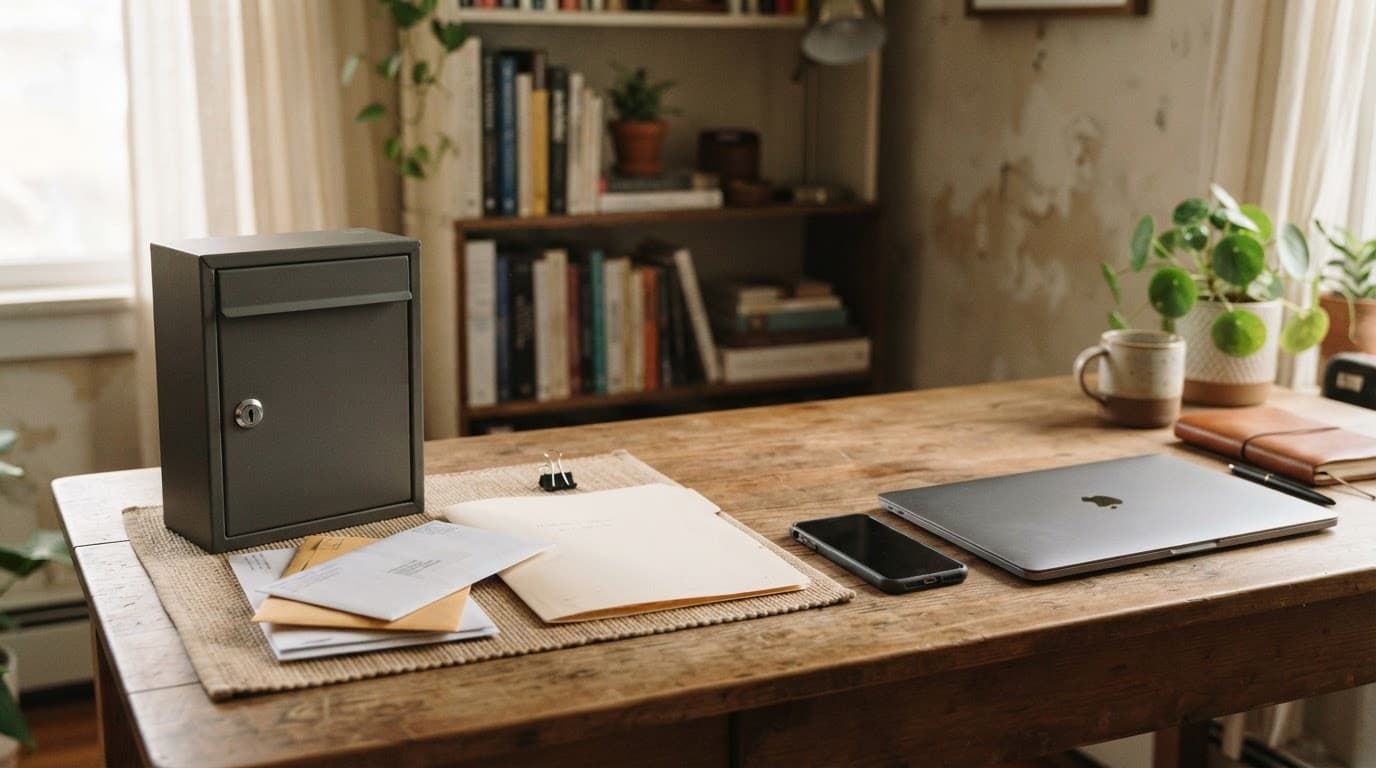
Once you have a safer mailing arrangement separate from your residential address, update institutions one at a time. You don’t have to explain every detail of your history. “I need to use a confidential mailing address for safety reasons” is enough.
Start with the accounts that can cause harm
Prioritize the places that send time-sensitive mail or may reveal your location through a shared account:
- Banks, credit cards, insurance companies, and benefits programs may send replacement cards, claims notices, and account alerts.
- Employers, payroll services, and licensing boards may use your address for tax forms or official notices.
- Schools, child care providers, medical offices, pharmacies, and therapists may need clear instructions about who can access records.
- Utilities, internet providers, delivery services, and retail accounts can expose an address through invoices, order histories, or saved locations.
Colorado also offers a statewide Address Confidentiality Program, but don’t assume a private company must accept an ACP address. Ask the secretary of state how state records are handled before changing the record, especially if the account is shared. If contacting a shared-account holder or service provider could increase risk, contact a domestic violence hotline first to plan the order of calls.
Use P.O. boxes and mailbox services with care
A P.O. box or private mailbox can create some distance between your home and routine mail. It is not complete confidentiality. Many service providers require identification, a physical address, or paperwork that may become part of their files.
Use your real information where legally required. Ask whether the service sends welcome mail, renewal notices, or account confirmations to another address. Also ask how it handles packages, signatures, and anyone attempting to collect mail in your name.
Close Gaps in Public Records and Court Papers
To keep your location private, look beyond your mailbox. Government forms can place a residential address in public records or real property records, while confidential filing procedures may offer different protections. Someone may search those systems or access them through a public records request during a legal case.
Before you submit a new address, contact the agency and ask about its confidential-address procedure. Procedures differ among state government agencies, DMV offices, election offices, court clerks, and child support agencies. Ask the secretary of state how your address will appear in voter registration databases.
Ask before filing court or divorce paperwork
Court documents may require contact information, but courts sometimes offer protected addresses, confidential party-information forms, sealed filings, or service through an ACP. Ask the court clerk, self-help center, or attorney about protected filings before you file. A domestic violence hotline may also connect you with an advocate.
Don’t assume a restraining order automatically keeps every address private. Ask how your location will appear on petitions, hearing notices, service documents, and online court records.
If you are planning a move, safety guidance for moving after abuse can help you consider public records, school information, and shared technology before the move becomes visible.
Handle child support and school records early
The child support program needs reliable contact information for notices, hearings, and enforcement. Ask whether it can use your ACP address or another protected mailing address before you change your case file.
The same care applies to schools and child care. Tell staff exactly who may pick up a child, receive information, or change contact details. Give them copies of relevant court orders when you have them.
Keep a record of the name, date, and department for each conversation. It can save you from repeating painful details later.
Secure the Accounts That May Reveal Your Plan
An address is only one kind of personal information that can leak through an email notification, online order, shared cloud account, or account-recovery message. Privacy is not only about paper mail.
Check access before changing passwords
Review your email recovery address, phone number, security questions, two-factor authentication, and logged-in devices. Check shared family plans, delivery apps, maps, photo sharing, smart-home devices, vehicle apps, and social media location settings. Look for social media check-ins that reveal where you are.
If you think your phone or computer may be monitored, use a safer device at a library, advocate’s office, or trusted person’s home. A domestic violence hotline can help you decide whether a technology change is safe. Don’t erase evidence or make sudden technology changes if that could increase risk.
Save concerning mail and messages
If mail is opened, withheld, redirected, or used to threaten you, save what you can safely save. Photograph envelopes, keep screenshots, write down dates, and store notes away from shared cloud storage.
You don’t have to confront the person to prove that it happened. A police report is one possible form of documentation, but it isn’t required to seek support. Documentation can help an advocate, attorney, or law enforcement officer understand the pattern if you decide to ask for help later.
Small records can also support rebuilding self-trust after emotional abuse. Facts on paper can feel steadier than the confusion abuse leaves behind.
Decide What to Do With Suspicious or Unwanted Mail
Unexpected mail can be unsettling, especially when it seems designed to confirm where you live. Pause before responding.
Keep the envelope if it feels safe. Photograph the outside and note the date. Avoid replying with information about your location. If the mail appears threatening or makes you fear for your safety, contact a domestic violence hotline for immediate support. If it contains legal papers, contact an advocate or attorney for guidance. Local authorities may also help you decide what to do.
You can return ordinary unwanted mail without adding a forwarding address. You don’t owe anyone an explanation, a new location, or proof that you are safe.
Frequently Asked Questions
Does USPS mail forwarding keep my address private?
No. Mail forwarding changes where eligible mail is delivered, but it does not remove your address from company records or public systems. If your location needs to stay private, speak with an advocate before submitting a forwarding request.
What is an Address Confidentiality Program?
An Address Confidentiality Program, or ACP, may give eligible survivors a substitute mailing address for use with certain government agencies and courts. Eligibility, renewal periods, fees, and accepted uses vary by state, so check the current rules where you live.
Can I use a P.O. box instead of my home address?
A P.O. box or private mailbox can separate your home from routine mail, but it does not provide complete confidentiality. Some organizations may still require a physical address, identification, or documents that become part of their records.
How can I protect my address in court, school, or child support records?
Ask the court clerk, agency, school, or child support office about confidential filing procedures or protected contact information before you submit an address. Do not assume that a restraining order or ACP automatically protects every record; confirm how your location will appear and who can access it.
What should I do if someone sends suspicious mail to my home?
Pause before responding, and keep the envelope or photograph it if doing so feels safe. Avoid sharing location details, and contact a domestic violence advocate, hotline, attorney, or local authorities if the mail is threatening or contains legal papers.
Your Address Is Part of Your Safety
Protecting your mail and home address after emotional abuse isn’t about being secretive. It’s about having room to live without someone tracking, pressuring, or using basic information against you.
Take the next step that feels manageable. One safer mailing option, one secure email account, or one confidential conversation can make a real difference.
Recovery and relationship healing begin with many small choices. Privacy is one of those choices, and you’re allowed to take it seriously.