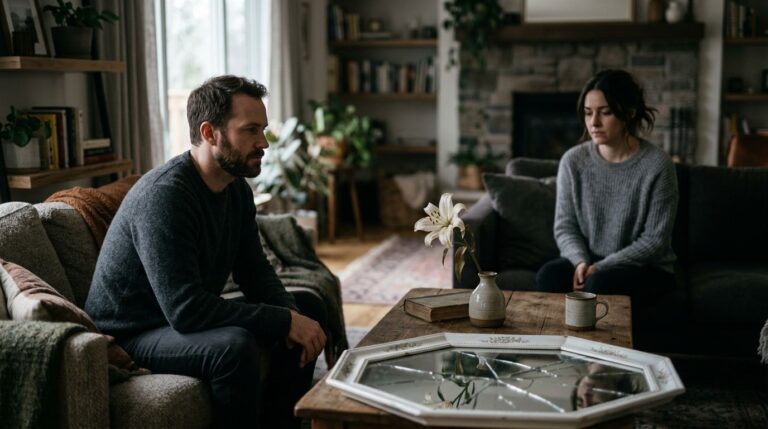
Home should be where your body can unclench. If you feel tense before opening your bedroom door, plan your schedule around avoiding someone, or question your own memory after every argument, something is wrong.
Roommate emotional abuse can leave you feeling trapped, even when there has been no physical violence. You don’t need outside proof or a situation that’s “bad enough” before taking your fear and stress seriously.
Your gut instincts can help you name a pattern and make choices that protect your safety, privacy, and peace.
Key Takeaways
- Roommate emotional abuse can involve repeated control, intimidation, humiliation, manipulation, gaslighting, or retaliation, even when there is no physical violence.
- Look for patterns that make your home feel unsafe or smaller, such as privacy violations, unequal rules, isolation, threats, punishment, and fear of your roommate’s reactions.
- You do not need to confront your roommate or prove the abuse before protecting your privacy, documenting incidents, securing important belongings, and reaching out for support.
- Review your lease and seek local tenant-rights or legal guidance before moving out, breaking a lease, or asking for a roommate’s removal, because protections vary by location and housing type.
- If retaliation is possible, keep your exit plan private, involve trusted people, and call emergency services if you are in immediate danger.
When abuse in a roommate relationship is more than conflict
Can a roommate emotionally abuse someone they aren’t dating? Yes. Emotional abuse doesn’t require romance. It can involve repeated control, intimidation, humiliation, or manipulation.
A roommate can misuse housing access, money, belongings, privacy, or social pressure to make you feel small and powerless. These are uneven power dynamics, especially when access to shared space becomes a tool for control. Domestic Shelters explains roommate abuse through the lens of power and control, not romantic status.
Many resources use domestic abuse and intimate partner violence frameworks to discuss romantic relationships. Roommates can also face control, intimidation, or harassment, and legal or service definitions vary.
Normal conflict leaves room for repair
Even good roommates disagree. One person forgets dishes. Someone plays music too late. Rent gets discussed more than either of you would like.
A difficult conversation can still feel uncomfortable. The difference is that both people can speak, make requests, and work toward a fair solution. You aren’t punished for having a need or a different memory, and disagreement doesn’t trigger retaliation.
Abuse makes your home feel smaller
This pattern reduces your freedom. Your roommate may rage at limits, mock you before guests, demand to know where you are, or act as if every house rule only applies to you.
Gaslighting can make this harder to name. They may deny entering your room, insist a threat was “a joke,” or claim you are too sensitive after hurting you.
People sometimes reach for the word narcissism when a roommate is self-centered or controlling. A power and control wheel offers a framework for noticing recurring control tactics without diagnosing your roommate. Focus on what keeps happening, how it affects you, and whether you can safely say no. It may help to read about abuse versus incompatibility when you are sorting through self-doubt.
Warning signs inside a shared home
A single bad argument does not define an abusive roommate. Repeated behavior, fear, and an uneven power dynamic matter more.
They rewrite events or use punishment
Pay attention if your roommate routinely denies facts, changes the story, or claims you caused their behavior. This abusive behavior may include punishment after you raise a concern. The silent treatment may end only once you apologize.
Other concerns include degrading comments, unpredictable outbursts, threats to disrupt your housing, and blame for their financial problems. They may impose unequal rules in common areas or restrict when you can use them. You may start over-explaining ordinary choices because you’re trying to prevent the next reaction.
They violate your space or isolate you
Entering your bedroom without permission, taking your belongings, reading mail, disabling your internet, or withholding keys are not harmless roommate quirks. Neither is pressuring mutual friends to take sides or telling guests that you’re unstable.
If you only feel calm when your roommate is out of the house, that is important information about what living there is doing to you.
The psychological impact of a hostile living environment can include anxiety, low mood, sleep disruption, and lasting strain on your mental health. These responses don’t mean you’re weak. They can signal that your mind and body no longer feel safe at home.
Protect your privacy without raising the risk
You do not need to confront an abusive roommate to prove a point. In some situations, confrontation can increase danger. Choose the smallest step that makes you safer today.
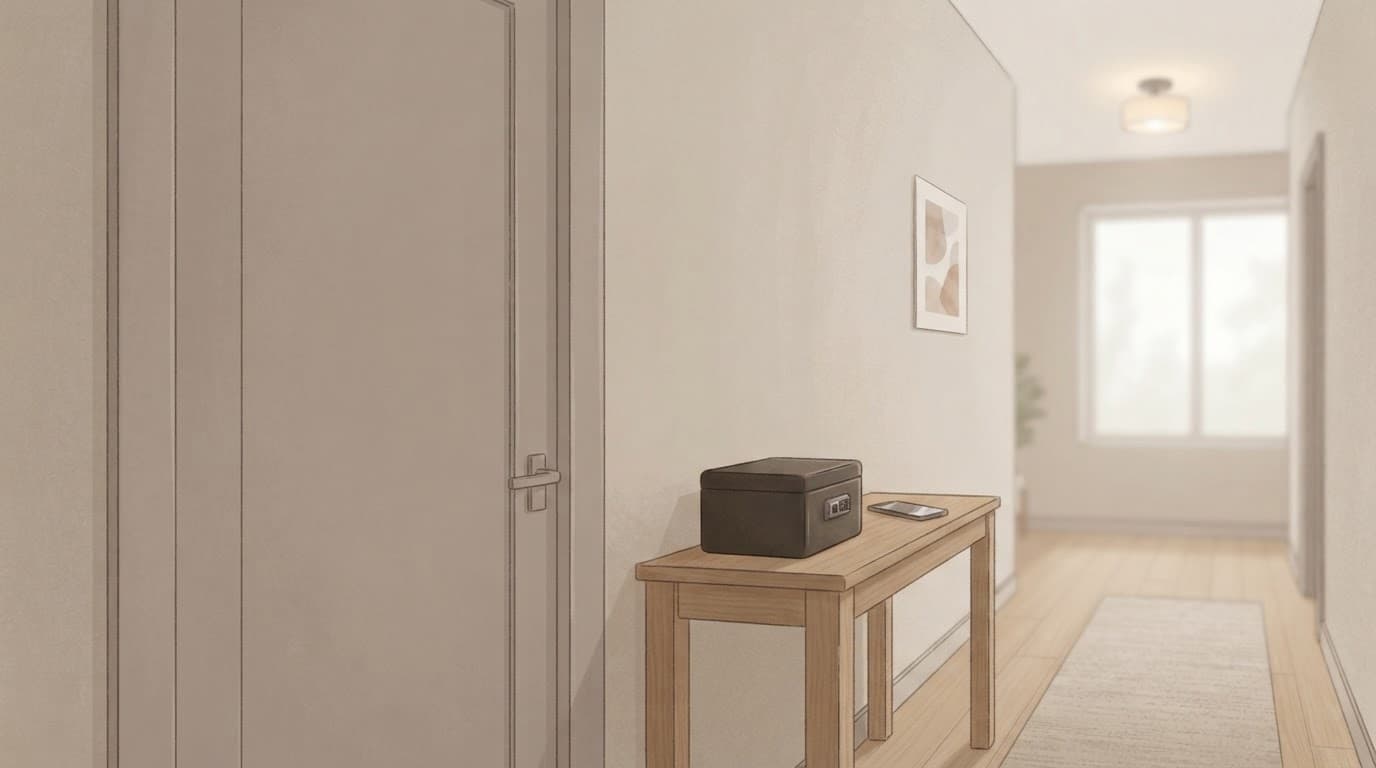
Create a safe paper trail
Document incidents you directly experience when it is safe to do so. A clear record can help you speak with a landlord, tenant advocate, attorney, or court advocate later. It may support an application for a restraining order or order of protection, but it does not guarantee one.
Keep the record factual:
- Write the date, time, location, exact words used, witnesses, and what happened next.
- Save threatening messages, emails, voicemails, and screenshots with the sender and date visible.
- Photograph damage, missing items, or an unlocked room if it is safe to do so.
- Store copies somewhere your roommate cannot access, such as a trusted person’s account or a new password-protected email.
Don’t secretly record conversations, access their accounts, or install hidden devices. Recording and surveillance laws vary, and discovery could make the situation more dangerous.
Secure devices, documents, and belongings
Change passwords from a device your roommate cannot access. Turn off lock-screen previews for messages, review location-sharing settings, and remove shared access to cloud storage or delivery accounts.
If they enter your bedroom or take property, photograph the space if safe, make a factual record, and consider reporting theft or threats. You don’t have to meet an abusive roommate alone to demand your belongings back.
A locked bag or off-site storage can protect passports, medication, financial records, spare keys, and sentimental items. For more ideas, see creating a safety plan for a harmful roommate situation.
Address the lease without assuming you have no options
Housing concerns can feel like a wall. You may worry about rent, a security deposit, a co-signed lease, or where you would sleep tomorrow. Still, safety comes first.
Start with the lease and a factual written request
Read your lease closely. Co-tenants may share financial responsibility for the full rent, depending on the lease and local law. If only one of you is named, your rights and options may look different.
When it feels safe, contact the landlord or property manager in writing. Keep the message brief and factual. Explain that you’re experiencing harassment or unsafe conditions. Ask about transfer options, early termination, a lease change, or procedures for removing a co-tenant. You may wonder whether you can break your lease, but check the lease and local rules first.
Avoid asking a landlord to perform an illegal lockout. Removing a roommate can require formal legal steps, even when their behavior has been harmful.
Legal protections depend on where you live
Rules involving domestic abuse, harassment, stalking, eviction, and lease-breaking vary by state, city, housing type, and lease terms. An owner-occupied home may follow different rules than a large apartment building.
Some federally assisted housing is covered by the Violence Against Women Act. HUD’s VAWA housing information explains protections that may apply to domestic violence, dating violence, sexual assault, and stalking survivors. These protections do not automatically cover every private roommate dispute.
Some states also have more specific rules. For example, Nevada’s tenant termination guidance addresses early lease termination in certain abuse, harassment, and stalking situations. An order of protection may be available in some cases, but that remedy and related lease protections depend on the facts, jurisdiction, housing type, and eligibility. Before you break your lease, contact a local tenant-rights organization, legal aid provider, or attorney for legal help about notice, liability, and possible penalties.
Make an exit plan that fits your situation
Leaving does not always happen in one brave, dramatic moment. It may be gradual. It may begin with one safe person knowing what is happening.
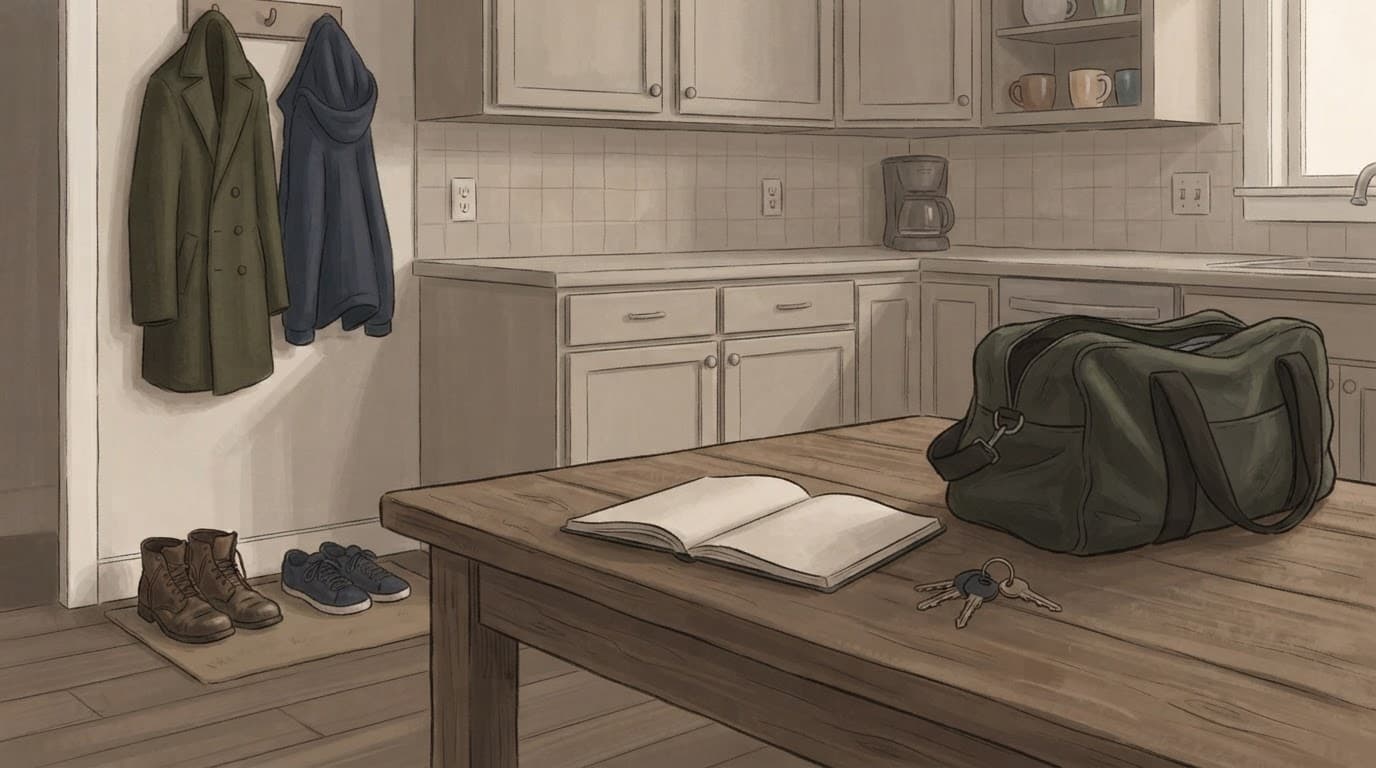
Keep the plan private when needed
If you believe your roommate may retaliate, don’t announce your plans. Don’t leave a note explaining everything. Choose a time they are away, or ask a trusted person to be present when you collect belongings.
A simple safety plan might include:
- A safe place to stay for one or two nights, even if it is only temporary.
- Transportation, cash, medications, chargers, identification, and important documents.
- A trusted person who knows when you plan to leave and can check in afterward.
- A plan for pets, work equipment, and items you cannot replace.
On moving day, keep a trusted person informed and avoid collecting belongings alone if retaliation is possible.
You may need to leave without every possession. That is painful, but your safety matters more than furniture, deposits, or winning an argument.
Know when to reach out urgently
Call 911 if you are in immediate danger, a threat is happening now, or violence is occurring. If you are overwhelmed or panicked, or struggling with thoughts of harming yourself, the 988 Lifeline offers free, confidential emotional support by call, text, or chat.
For help after threats, stalking, harassment, or other victimization, VictimConnect’s support line can connect you with referrals and local resources. Ask any domestic violence program whether it serves people harmed by non-intimate roommates. Not every service has the same eligibility rules.
Let trusted people support your recovery
Friends and family may minimize a toxic living situation because “everyone has a bad roommate.” They may only see the charming version of the person you live with. Their misunderstanding does not erase what you experienced.
Ask for the kind of support you need
Try a direct sentence: “I don’t need you to fix this. I need you to believe me and help me think through a safe place to stay.”
Support for your mental health may include a trauma-informed counselor, a support group, a medical professional, or one steady friend. Being treated as believable again is part of healing, which doesn’t follow a fixed timeline. You don’t need to forgive your roommate, get closure, or prove your pain to people who dismissed it.
If gaslighting has made you question every choice, rebuilding self-trust after this kind of harm can be a gentle next step. You are allowed to trust the part of you that knows this home has caused harm.
Frequently Asked Questions
Can a roommate emotionally abuse me if we are not dating?
Yes. Emotional abuse does not require a romantic relationship and can involve control, intimidation, humiliation, harassment, or manipulation in a shared home. Legal and service definitions vary, so focus on the repeated behavior, its impact on you, and your safety.
How can I tell the difference between roommate conflict and emotional abuse?
Normal conflict leaves room for both people to speak, make requests, and repair the problem without retaliation. Abuse is more likely when there is a recurring pattern of fear, punishment, gaslighting, unequal rules, threats, or control over your space and daily life.
Should I confront an emotionally abusive roommate?
You do not need to confront them to prove what happened or make them admit it. If confrontation could increase the risk, document incidents safely, protect your belongings and information, and involve a trusted person or local support service instead.
Can I break my lease because my roommate is abusive?
Possibly, but the answer depends on your lease, location, housing type, and the specific behavior involved. Before moving out or stopping rent, contact a local tenant-rights organization, legal aid provider, or attorney about notice requirements, financial responsibility, and available protections.
What should I do if I need to leave quickly?
Identify a temporary safe place, transportation, medications, identification, important documents, and someone who can stay informed about your plans. If you are in immediate danger or violence is occurring, call 911; in the United States, you can also contact 988 for emotional support or VictimConnect for referrals after threats, stalking, or harassment.
A safer home is a reasonable need
This kind of harm can make ordinary life feel like a constant test. You may be watching your tone, hiding in your room, and wondering if you are imagining the problem.
You are not asking for too much by wanting privacy, respect, and safety to protect your safety and well-being where you live. Notice the pattern, protect your information, bring in support, and take the next step that feels safest for you.
Your home should not require you to disappear to survive it.