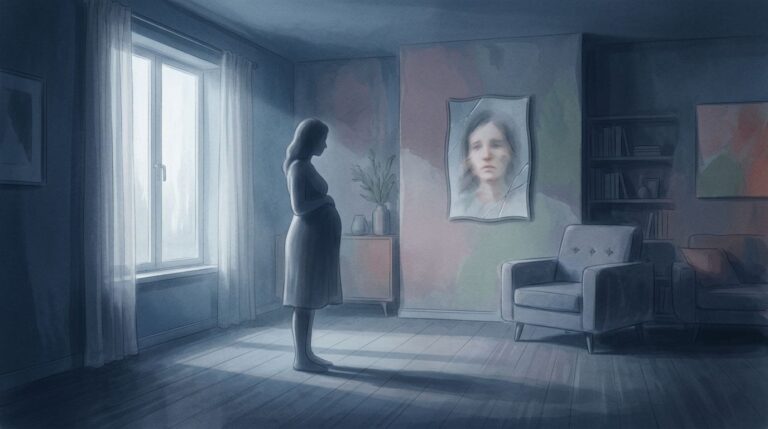
A book can give a name to emotional abuse you have struggled to explain for years. It can also bring up memories, anger, grief, or that familiar thought: “Maybe it wasn’t that bad.”
The right narcissistic abuse recovery book offers educational support, not a test, diagnosis, or substitute for individualized care. It won’t tell you who to blame or how fast to heal. Instead, it can help you understand patterns, trust your experience, and choose one safe next step.
Start with where you are right now, not where you think you should be.
Key Takeaways
- Choose a narcissistic abuse recovery book based on what you need now, whether that is clarity, self-trust, trauma education, family healing, boundaries, or support with ongoing contact.
- Look for trauma-informed, responsible writing that distinguishes harmful behavior from clinical diagnoses and respects your individual experience, safety, and choices.
- Be cautious with books that blame survivors, use sensational language, promise quick cures, or pressure you to confront someone or cut contact without considering real-world risks.
- Read slowly and stop when material leaves you overwhelmed, numb, panicked, or unable to sleep. A book can support recovery, but it cannot replace individualized therapy, safety planning, legal guidance, or crisis support.
- The right book should help you understand patterns and rebuild self-trust without turning recovery into a test or asking you to surrender your judgment.
Start With the Question You Need Answered
You don’t need to read every book about narcissism to begin your narcissistic abuse recovery. You need a book that meets the problem sitting in front of you.
Maybe you are still trying to understand what happened. Maybe you have left, but your body still braces for a message. Maybe the relationship is ongoing because you share children, work together, or cannot fully avoid a family member.
If you are still naming the pattern
Look for a clear, plain-language book about emotional abuse, gaslighting, blame shifting, control, and emotional manipulation. Early on, it helps to read writing that describes behavior without asking you to diagnose the other person.
Books such as Psychopath Free by Jackson MacKenzie can help some readers put words to the confusion that follows toxic relationships. In Sheep’s Clothing by George K. Simon may also help readers recognize covert aggression and manipulation. Some books and readers use the phrase “covert narcissist” for this kind of pattern, but it isn’t a remote diagnosis.
If gaslighting and narcissistic abuse have left you in self-doubt and shame, try reality-checking gaslighting after abuse alongside your reading. You don’t need to prove every detail before taking your pain seriously.
If you have already left but feel stuck
A different kind of book may fit better now. You may need help with grief, self-trust, boundaries, or the physical stress that lingers after relationship abuse.
A trauma bond can form when care, hope, fear, and harm keep alternating. The relief after mistreatment can feel like proof of love, even when the relationship is hurting you. Reading about a trauma bond may explain why leaving was hard; it doesn’t mean you’re weak or “addicted” to pain. It means your mind and body learned to survive an unpredictable situation.
If the relationship ended in divorce, narcissistic abuse recovery after divorce looks at grief, boundaries, and rebuilding self-trust in your own time.
A book that helps you understand why leaving was hard is often more useful than one that asks why you stayed.
What Makes a Recovery Book Safer
The subject matter is personal. A strong book should support narcissistic abuse recovery with steadiness, not try to shock you into agreement.
Look for care, context, and accountability
A helpful author separates harmful behavior from sweeping claims about whole groups of people. They explain that narcissistic personality disorder is a mental health diagnosis made by qualified clinicians, not a label for readers.
Terms such as “covert narcissist” may be marketing or reader language, not confirmed diagnoses to assign after a few pages.
Good books also make room for your individual story. They recognize that relationship dynamics vary across harmful partners, parents, friends, and bosses. They discuss emotional abuse through its impact, patterns, and choices without treating people like case studies.
Trauma-informed writing recognizes that reactions such as hypervigilance, numbness, sleep disruption, panic, or difficulty trusting can make sense after prolonged stress. Some readers may recognize symptoms associated with complex PTSD without needing to self-label. The NCBI overview of trauma-informed care describes why safety, trust, choice, and collaboration matter in support settings. Those ideas matter in a recovery book too; it can complement trauma-informed therapy without replacing professional support.
Check what the author offers beyond insight
Insight matters, but it’s only one part of recovery. Look for a book with reflective questions, grounding practices, boundary examples, or ideas for building support.
The exercises should be invitations, not orders. “Try this if it feels safe” is a better sign than “You must confront them” or “You have to go no-contact immediately.”
A useful book doesn’t promise that one mindset shift will erase trauma. It gives you room to move slowly.
Match the Book to Your Recovery Stage
Different titles can support different parts of narcissistic abuse recovery. A book that helps at one stage may not fit every season.
| If you need help with… | Look for books that focus on… | A possible starting point |
|---|---|---|
| Confusion and self-doubt | Gaslighting, manipulation, and relationship patterns | Psychopath Free by Jackson MacKenzie |
| Body-based stress responses | Trauma, nervous system responses, and pacing | The Body Keeps the Score by Bessel van der Kolk |
| A painful parent relationship | Family roles, shame, boundaries and identity | Will I Ever Be Good Enough? by Karyl McBride |
| Ongoing contact or co-parenting | Communication limits, realistic expectations, and high-conflict divorce dynamics | Disarming the Narcissist by Wendy Behary |
| Long-term trauma and safety | Recovery, grief, connection, and rebuilding | Trauma and Recovery by Judith Herman |
The point isn’t to find a perfect title. Choose one that speaks to the part of your experience asking for care. If codependency recovery is your focus, look for writing on relational patterns and personal agency.
Books that explain trauma in the body
After prolonged emotional abuse, you may understand the relationship with your mind while your body still feels unsafe. You might startle easily, feel numb, struggle to sleep, or freeze during ordinary conflict.
The Body Keeps the Score by Bessel van der Kolk is often chosen at this stage. It connects trauma with physical and emotional responses, including nervous system regulation.
The material can be intense, though. Read it in small sections, and skip anything that leaves you overwhelmed.
The effects of repeated abuse can last beyond the relationship. DomesticShelters.org’s explanation of complex PTSD and domestic violence may help put ongoing symptoms into context without reducing your experience to a label.
Books for narcissistic parents and family wounds
If the harmful relationship was with a parent, look for writing that understands loyalty, grief, and family-image pressure. Adults raised by narcissistic parents often carry the message that their needs were too much, or that they should be grateful for scraps of care.
Karyl McBride’s Will I Ever Be Good Enough? speaks directly to daughters of narcissistic mothers. Lindsay C. Gibson’s Adult Children of Emotionally Immature Parents can help readers consider emotional immaturity and family roles. Some readers may also seek books that explore inner child recovery.
You may not see your exact family in any of these books. That is okay. Take what fits, leave what does not, and keep your own story at the center.
Be Careful With Books About Ongoing Contact
Some people cannot simply walk away. Separation may involve shared children, housing, work, immigration concerns, finances, a high-conflict divorce, or safety risks. A book about communication should never make you feel responsible for making an unsafe person reasonable.
Choose practical advice over confrontation
For co-parenting, a high-conflict divorce, or a high-conflict workplace, seek books focused on documentation, brief communication, legal guidance where needed, and clear limits. Disarming the Narcissist by Wendy Behary may offer useful perspective on self-absorbed behavior, but it is not a safety plan.
Be cautious with any author who treats calm communication as a cure. Your words cannot control another person’s actions. Sometimes the safest response is less contact or written contact. Ongoing contact, retaliation, or legal concerns can create lasting stress. Support from a lawyer, advocate, supervisor, or trauma-informed therapy provider may be more appropriate than more communication advice.
Short language can help when you are ready to set limits. These boundary scripts for emotional abuse are built around clarity, not over-explaining.
Let safety set the pace
If you fear retaliation, surveillance, threats, stalking, or violence, focus on safety before self-help reading. The National Domestic Violence Hotline’s safety-planning tool can help you think through options privately.
A book may be supportive, but it cannot assess the risks around your particular situation. You deserve help that accounts for the real conditions of your life.
Watch for Red Flags Before You Buy
In narcissistic abuse recovery, careful advice matters because confident language can hide weak guidance. You don’t owe any author your trust because the cover sounds validating.
Pause before buying or continuing a book if it does any of the following:
- It blames survivors for staying, returning, freezing, or struggling to leave.
- It says every difficult person has narcissistic personality disorder, presents “covert narcissist” as a definitive diagnosis or moral category, or divides everyone into simplistic groups of “toxic people.”
- It relies on dramatic stories, insults, or revenge language instead of clear explanations.
- It claims to cure trauma, anxiety, or the effects of emotional abuse with one method and no professional support.
- It pressures you to confront an abusive person, expose them publicly, or cut contact without considering safety.
- It makes you feel more ashamed, frightened, or confused each time you read.
Sensational books can feel compelling at first because they match the intensity of what you lived through. But recovery isn’t helped by more fear.
Check the author’s training, sources, and stated limits. A therapist’s credentials aren’t automatically enough, and survivor experience isn’t automatically proof of sound advice. Assess whether the writing is responsible, grounded, and respectful of your choices.
Make Reading Part of Relationship Healing
Reading can be a private place to begin narcissistic abuse recovery. It can help you spot patterns, write down questions, or find words for what happened. Still, you do not have to process every chapter alone.
Read in small, steady pieces
Set a limit before you start. Ten pages may be enough. Keep water nearby, place both feet on the floor, and notice the room around you after a hard section.
Try a simple reflection after reading: What felt true? What felt upsetting? What do I need now? You do not have to answer every journal prompt.
If a passage leaves you flooded, numb, panicked, or unable to sleep, stop. Put the book away. A pause is part of recovery, not a failure to do it “right.”
Add support when a book opens bigger wounds
Books do not replace individualized mental health care, domestic violence support, or crisis services when those are needed. They may support healing from emotional abuse, but they are not trauma-informed therapy or individualized treatment.
A trauma-informed therapist can help you work with memories and body responses at a pace that feels manageable. Books can offer education about complex ptsd, but they cannot diagnose or treat it.
Some readers explore inner-child themes as part of inner child recovery, with professional guidance. Lingering attachment or confusion, sometimes described as a trauma bond, can make seeking support feel difficult. That does not mean anything is wrong with you.
Some people discuss options such as emdr therapy, somatic experiencing, internal family systems, CBT, or DBT with qualified providers. These approaches are not universal solutions, and a provider can help you consider what may fit. This overview of EMDR after narcissistic abuse describes the process in broad terms.
If you are in immediate emotional crisis in the United States, 988 support information explains how to reach the Suicide & Crisis Lifeline. Support from a trusted friend, advocate, or counselor can make a difficult chapter feel less lonely, and narcissistic abuse recovery can begin even when professional care is limited.
A Simple Way to Choose Your Next Book
Before you order, borrow, or download a title, use these questions to choose your next step in narcissistic abuse recovery:
- What do I need most right now: clarity, boundaries, body-based support, family healing, inner child recovery, or help with ongoing contact?
- Does the author describe harmful behavior without diagnosing people from a distance?
- Are there practical tools that fit my real circumstances, including high-conflict divorce, ongoing contact, or co-parenting?
- Does the book respect safety, choice, and different paths through recovery?
- Can I read this slowly, with permission to stop?
You may decide to borrow a book first. Read the introduction, scan the chapter titles, and notice your body’s response before committing to a title such as Psychopath Free. Curiosity can be a green flag. Dread, pressure, or shame may be a reason to choose something gentler.
For many people, healing from emotional abuse also includes rebuilding self-trust after gaslighting. A book should support that process, not ask you to hand your judgment over to someone else.
Frequently Asked Questions
How do I choose the best narcissistic abuse recovery book for my situation?
Start with the question you most need answered right now. Choose a book focused on your current needs, such as gaslighting, trauma responses, family wounds, boundaries, or ongoing contact.
Are books about narcissistic abuse a substitute for therapy?
No. Books can offer education, language, reflection, and practical ideas, but they cannot diagnose or provide individualized treatment, safety planning, or crisis care.
Is it safe to read a book about narcissistic abuse if I am still in contact with the person?
It can be, but the advice should account for your circumstances, including co-parenting, work, legal concerns, or safety risks. Avoid books that pressure you to confront someone or go no-contact without considering possible retaliation or harm.
What should I do if a recovery book makes me feel worse?
Pause or stop reading and give yourself time to regulate before deciding whether to continue. Feeling flooded, numb, panicked, or unable to sleep may be a sign that you need gentler material or support from a trauma-informed professional or advocate.
A Book Can Be a Beginning, Not a Test
Choosing the right book is not about finding an author with all the answers. It is about finding words and practices that help you feel less alone, clearer, and more connected to yourself.
The right pages may help you name patterns while healing from emotional abuse, understand your reactions, or take one boundary seriously. That is meaningful progress. Post-traumatic growth is not required, is not linear, and is never evidence that the harm was beneficial.
Recovery does not require you to read faster, remember everything, or prove what happened. It asks only that you keep making room for your own safety and truth.