You don’t need bruises, a police report, or the perfect words to deserve support. Coercive control legal help can be available when someone uses fear, isolation, money, monitoring, or threats to limit your choices. This can happen in intimate relationships or family settings.
It can feel confusing to ask for domestic violence support when harm happened behind closed doors. Family and domestic violence resources may still be available when there are no visible injuries or police reports. Victim survivors don’t need perfect language to seek help, even if they’ve been told they’re overreacting, too sensitive, or impossible to deal with. Those messages can make reaching out feel harder, but this pattern reflects power and dominance, not your failure.
Start with one small, safer step. You don’t have to explain everything at once. General guidance, including national principles, can’t replace current, location-specific legal advice.
Key Takeaways
- Coercive control is a repeated pattern of abusive behaviours—such as isolation, monitoring, threats, or financial control—that limits your independence, even when there are no visible injuries or police reports.
- Put safety and privacy first when seeking help. If your device or internet activity may be monitored, use a safer device when possible and ask lawyers, advocates, or healthcare practitioners about confidentiality before sharing details.
- Local domestic-violence advocates, civil legal-aid programs, courthouse advocates, and qualified lawyers can explain options involving protection orders, family law, housing, money, immigration, or related legal issues.
- Laws and legal tests differ by state, territory, tribe, and country. National principles can provide general context, but only local legal advice can explain the rules, deadlines, confidentiality limits, and available remedies where you live.
- You do not need a polished case file or perfect language to seek support. Share what feels safest, avoid gathering evidence at personal risk, and take one small step when you are ready.
Coercive control legal help starts with naming the pattern
Coercive control is a repeated pattern of abusive behaviours used to take away another person’s independence and maintain power and dominance. It can be part of family and domestic violence, even when there has been no physical violence. Terminology and legal treatment vary by jurisdiction, and national principles offer general guidance, not a universal legal test.
Individual incidents can seem minor, but recurring abusive behaviours should be viewed in context. The person may control where you go, who you see, how you spend money, or what you say. They may monitor your phone, punish you for setting boundaries, or use children, pets, immigration status, housing, or private information to keep power over you.
Signs that may point to this pattern
No single experience has to “prove” what is happening. The pattern and its impact on your life matter.
- They use isolation tactics to separate you from friends, relatives, work, school, faith groups, or healthcare.
- They use financial control or economic abuse by restricting access to accounts, forcing debt in your name, or controlling necessities.
- They engage in monitoring activities, such as checking your location, passwords, messages, call logs, or social media activity. This may be technology facilitated abuse, but not every form of monitoring is legally actionable.
- They threaten to hurt themselves, report you to authorities, take the children, expose personal information, or ruin your reputation.
- They make ordinary choices feel dangerous, then blame you for being afraid.
This form of relationship abuse can leave you second-guessing your own memory. If the person uses denial, insults, charm, and cruelty in cycles, you may relate to why narcissistic emotional abuse feels invisible. Narcissism is not something you need to diagnose in order to seek protection or support.
Healthcare practitioners can sometimes serve as support or documentation contacts, but consider privacy and device safety before sharing information.
Your experience does not need to fit a stereotype
Older adults, disabled people, LGBTQIA+ people, immigrants, and people with limited income can face extra barriers when seeking help for family and domestic violence. An abusive person may depend on those barriers. They may threaten to withdraw care, reveal someone’s identity, interfere with medication, or misuse sponsorship and immigration paperwork.
None of that makes the abuse less real. The law of your state, territory, tribe, or country controls terminology and treatment. National principles provide context, while the right local advocate can help you think through options that fit your circumstances.
This pattern often works by making every option feel unsafe. A confidential conversation can help you see choices without forcing a decision today.
Put safety before searching for a lawyer
Looking for a lawyer can sometimes increase risk when coercive control involves monitoring activities. These may involve your device, email, location, phone bill, or accounts, especially when abuse is technology facilitated. You don’t have to collect evidence, confront the person, or announce your plans to get support.
If you think your internet activity is watched, use a safer device when possible. That might be a library computer, a trusted person’s phone, a work device that isn’t shared, or a device at a domestic-violence program. Avoid using devices linked to shared accounts, cloud backups, or location settings you don’t control.
Reach out when danger feels immediate
If you are in immediate danger in the United States, call 911 when it is safe to do so. Emergency crisis intervention differs from confidential hotline advocacy.
For confidential domestic violence support, the National Domestic Violence Hotline is available 24 hours a day at 1-800-799-SAFE (7233), through chat at TheHotline.org, or by texting START to 88788. Because services can change, verify the current phone number, chat service, text service, and operating hours before relying on these details.
Their guide to protective orders and legal resources can help you understand basic legal protection before you speak with someone locally. A hotline advocate can also help with safety planning and referrals to community resources, including family and domestic violence programs and other support services. Advocates generally provide information and referrals, not legal advice, even if you’re unsure about filing anything.
You can ask about privacy first
Before sharing details with lawyers, advocates, or healthcare practitioners, it is okay to ask:
- “Is this conversation confidential?”
- “Will you contact anyone without my permission?”
- “What happens if I mention children, weapons, or threats?”
- “Is it safe to call or email me back?”
National principles may inform service standards, but they don’t determine local confidentiality rules or legal options. Treat those national principles as general guidance and confirm local rules before sharing sensitive details.
A local advocate or lawyer should explain their privacy limits in plain language. You are allowed to pause, ask questions, or decide that now is not the right time.
Where to find a local lawyer, advocate, or legal-aid program
You don’t have to begin with a private attorney. Many survivors find support through domestic-violence programs, civil legal-aid offices, court advocates, and state legal-information services.

Start with a domestic-violence advocate
A local domestic-violence program can connect you with advocates who understand protection orders and other forms of legal protection. They may help with emergency housing, financial control, court accompaniment, and safety planning, while recognizing abusive behaviours and family and domestic violence concerns. They may also know which legal-aid offices in your county handle relevant cases and which attorneys have experience with coercive control.
Calling 211 may also connect you to nearby housing, benefits, counseling, healthcare practitioners, support services, and community resources. It is a referral line, not legal advice, so ask whether there is a local program offering domestic violence support.
If you are Native or Indigenous, StrongHearts Native Helpline offers culturally informed peer support for family and domestic violence at 1-844-762-8483.
Look for free or low-cost civil legal aid
Civil legal aid may help with family law cases involving divorce, custody, and parenting matters. It may also assist with protection orders, housing, public benefits, debt, some immigration concerns, and financial control.
The Legal Services Corporation’s work with domestic-violence survivors shows the kinds of civil matters legal-aid programs may handle, including protective orders and family-law issues. Some providers may follow national principles or professional guidance, but those national principles don’t replace jurisdiction-specific rules for availability, confidentiality, eligibility, or legal authority. Search your area through its legal-aid directory, then ask about their intake process and wait times.
For plain-language information on protection orders and family law by state, WomensLaw is a helpful place to begin. It also offers an email hotline for basic legal information, referrals, and emotional support.
What a lawyer or advocate can help you decide
A lawyer’s job is not to decide whether your experience of coercive control was “bad enough.” Their job is to explain the law where you live and assess the facts you choose to share. They can help you understand available options.
An advocate may not give legal advice, but they can help you prepare for court, find forms, request accommodations, and connect you with services. Some communities have courthouse advocates who work with people seeking protection orders.
Protection orders and safety-related requests
Possible legal responses can include civil orders, family-court remedies, housing remedies, immigration options, or reports to authorities. Depending on your jurisdiction, a civil protection or restraining order may restrict contact, threats, stalking, harassment, or coming near you. Orders can sometimes address shared homes, children, firearms, pets, or temporary financial matters.
Existing records may be useful, but you don’t need to collect evidence at personal risk. With your consent, healthcare practitioners can discuss documentation while protecting privacy and safety.
The rules vary. Some courts consider a repeated pattern of psychological or economic coercion, while others need conduct that fits narrower legal definitions. Advocates or clinicians may describe abusive behaviours more broadly than a court can address.
National principles and professional frameworks may describe family-violence patterns more broadly. In some places, national principles guide advocates. Still, national principles don’t replace the legal test set by the relevant jurisdiction. An advocate or lawyer can explain what courts in your area can consider.
Family, housing, money, and immigration concerns
This pattern can reach into nearly every part of daily life, including family and domestic violence matters, housing, money, and immigration. Your options may involve:
- divorce proceedings, parenting plans, custody cases, safe exchange arrangements, and other family law cases;
- an eviction threat, lease problem, shared home, or emergency housing need;
- bank accounts, credit cards, benefits, taxes, identity theft, debt created through economic abuse, or financial control;
- immigration concerns, including threats tied to a visa, petition, or sponsorship.
Try not to assume you must solve every issue at once. Tell the intake worker what feels most urgent. A deadline, an upcoming hearing, no safe place to sleep, or a threat involving children may change what help is available first.
Prepare for a consultation without increasing risk
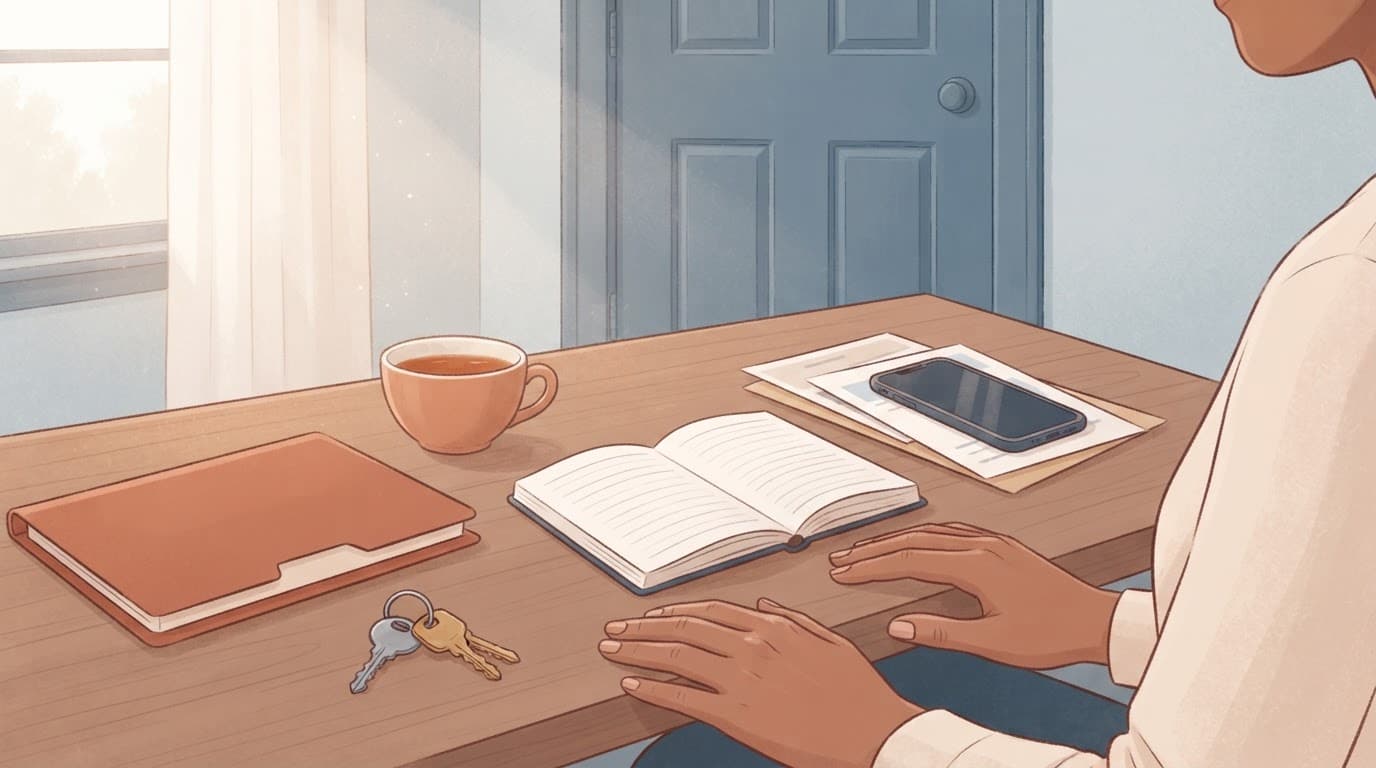
You do not need a polished case file. In an initial consultation, victim survivors can share a few clear details about coercive control: who is involved, what is happening, what may happen next, and what help they need. The discussion can include family and domestic violence, safety, housing, and financial issues.
Share what you already have, if it is safe
If you already have safe access to texts, emails, financial records, court papers, police reports, medical records, photos, or a calendar of incidents, a lawyer may find them useful. Some documentation and service guidance may refer to national principles, but those national principles do not replace the local court’s evidence rules or legal standards.
Do not take documents, record conversations, access accounts, or photograph anything if doing so could put you at risk. Monitoring activities can be technology facilitated and may expose your plans, so ask about safer communication methods before gathering anything.
You can also describe abusive behaviours and the wider pattern in your own words. Dates help, but they are not required for every event. “They stopped me from seeing my sister,” “they emptied my account,” or “they threatened to report me if I left” gives a legal professional somewhere to start.
Ask practical questions
Write questions down somewhere safe, or bring a trusted advocate connected with community resources if that feels right. You might ask what type of order is possible, what proof the court usually considers in family law cases, how long a case may take, and whether the other person will be notified.
Ask what confidentiality protections apply and which contact methods are safe. Also ask about cost. Some lawyers offer a free initial consultation, sliding-scale fees, limited-scope representation, or payment plans. Legal aid may be free if you qualify.
A consultation is information, not a commitment. You can speak with more than one service before deciding what feels safe.
Laws differ, and local details matter
There is no single U.S. law that handles coercive control the same way everywhere. States, territories, tribes, and local courts have different rules about family and domestic violence, protection orders, custody, housing, and criminal charges.
Washington offers one clear example of why local advice matters. Its civil protection-order process can address coercive control, including behavior that causes physical, emotional, or psychological harm and unreasonably interferes with a person’s free will or liberty. Washington Law Help’s protection-order guidance explains options for people experiencing domestic violence.
That does not mean every state treats coercive control the same way. Some jurisdictions may criminalize coercive control, while others address related conduct through civil, family, housing, immigration, or existing criminal laws. Legal responses can include civil protection orders, family-law remedies, housing or immigration remedies, and possible criminal processes.
A note on national frameworks and local law: The linked Washington guidance is a local source, not a binding statement of national principles. National principles may inform policy discussions, but they don’t override state, tribal, territorial, or local rules. They aren’t a universal legal test. Use national principles as background only. Ask a local lawyer how national principles relate to current law, because national principles can’t predict a court’s decision.
A civil protection order may offer legal protection, but it isn’t the right or safest option for everyone. Filing may involve notice to the other person, court dates, and planning around contact.
If danger is urgent, emergency services and confidential advocacy are different resources. Crisis intervention may also help with immediate safety.
Let the local facts guide the next step
A qualified lawyer can explain whether your situation involves a civil order, family court, housing law, immigration law, a criminal complaint, or several issues at once. A domestic-violence advocate can help you weigh safety concerns and connect you with community resources before you act.
If children are involved, tell the advocate or lawyer early, especially when family and domestic violence issues overlap. Courts often focus on safety, caregiving history, and the child’s needs. You deserve support that does not pressure you to make choices before you’re ready.
Frequently Asked Questions
Do I need physical injuries or a police report to get legal help for coercive control?
No. Repeated behaviours such as isolation, monitoring, threats, and financial control may still be relevant to family and domestic violence support, even without visible injuries or a police report. A local advocate or lawyer can explain what evidence and legal standards apply in your jurisdiction.
How can I seek help if I think my device is being monitored?
Use a safer device when possible, such as a trusted person’s phone, a library computer, or a device at a domestic-violence program. Before sharing sensitive information, ask whether communication is confidential and whether it is safe to call or email you back.
Where can I find a lawyer or advocate for coercive control?
Start with a local domestic-violence program, civil legal-aid office, courthouse advocate, or state legal-information service. In the United States, 211 may provide community referrals, and the National Domestic Violence Hotline can offer confidential advocacy and referrals, subject to current service details.
What can a lawyer or advocate help me decide?
A lawyer can explain local options such as protection orders, family-court remedies, housing assistance, immigration matters, or related criminal processes. An advocate may help with safety planning, forms, court preparation, accommodations, referrals, and weighing options without pressuring you to take a particular step.
Do I need to collect evidence before contacting legal help?
No. You can begin by describing who is involved, what is happening, what may happen next, and what help you need. If you already have safely accessible records, they may be useful, but do not gather documents, record conversations, or access accounts if doing so could increase your risk.
A small step can support recovery
Getting legal information can bring relief, fear, grief, or all three. That response makes sense. Years of emotional abuse can teach you to distrust your own judgment, especially when the person who harmed you also demanded your loyalty.
Legal support and support services cannot replace the emotional side of recovery, but they can help clarify your choices. Local advocates and qualified attorneys can explain options specific to where you live. Alongside practical help, rebuilding self-trust after emotional abuse can support healing from coercive control and rebuilding healthy relationships at your own pace.
You do not have to prove your pain to deserve care. One safer call, one confidential question, or one local referral can be enough for today.