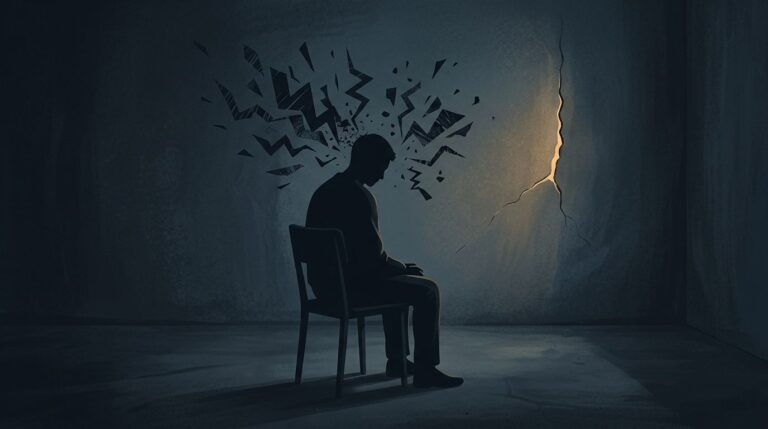
Category: NUMB
In a romantic relationship, you shouldn’t have to become smaller to keep the peace. If you feel anxious before bringing up a normal need, or afraid of your partner’s reaction, pay attention to that feeling.
An emotional abuse relationship can look loving from the outside. There may be affection, apologies, wedding plans, and good days. None of that cancels a repeated pattern that leaves you scared, confused, isolated, or unable to trust yourself.
You don’t need to wait until marriage to take concerns seriously.
Signs of an emotional abuse relationship during engagement
Emotional abuse is about power and control, not one imperfect argument. The CDC includes name-calling, humiliation, isolation, monitoring, threats, and behavior that makes a partner doubt their memory or perception among forms of psychological aggression.
Healthy relationship conflict leaves room for repair
Every engaged couple will have stressful conversations. Money, family expectations, guest lists, faith, sex, housing, and wedding plans can bring up real differences in a romantic relationship without being abusive.
In healthy relationship conflict, both people can speak. A partner may be upset, but they don’t punish you for having a different view. They can apologize, reflect, and respect a pause.
Emotional abuse feels different. One person has to win. Your feelings get mocked, your needs become proof that you are selfish, and every conversation ends with you taking the blame.
Repetition matters more than one bad day
A hurtful comment is not always abuse. A pattern of hurtful comments, followed by denial or blame, is something else.
Ask yourself what happens after you raise a concern. Does your partner listen and try to repair harm? Or do they threaten to end the engagement, give you the silent treatment, turn cold, or make you comfort them?
Healthy conflict addresses a problem. Emotional abuse makes you feel like you are the problem.

Warning signs an emotionally abusive fiance may show
Some warning signs are loud. Others show up as “jokes,” concern, or rules that slowly become harder to question. You do not need every sign on a list before you take your experience seriously.
Control disguised as love or concern
Jealousy is not proof of devotion. A partner may demand your passwords, question every message, track your location, criticize your clothes, or accuse you of cheating when you spend time with friends.
They may use isolation tactics to pressure you to cut off people who care about you. They might complain about your sibling, dislike your co-worker, or make visits so exhausting that staying home feels easier.
Financial control can also show up around money. If your partner restricts access to accounts, demands details about every purchase, blocks you from working, or uses wedding costs to gain power over you, that deserves attention.
Criticism, humiliation, and punishment
Constant criticism can erode your self-esteem and make you doubt skills you once felt good about. Maybe they call you embarrassing, needy, stupid, difficult, or impossible to love. Maybe they say it privately, then act charming around everyone else.
Other harmful patterns include public humiliation, breaking or threatening to break belongings, intimidation, sexual pressure, and withholding affection until you give in.
Some people start looking into narcissism when a partner needs admiration, rejects accountability, and punishes boundaries. Still, you don’t need to diagnose anyone. The repeated behavior and its impact on your well-being are enough.
When gaslighting makes you doubt yourself
Gaslighting is not a simple disagreement about what happened. As a gaslighting tactic, this pattern can make you question your memory, feelings, and judgment.
Your partner may insist they never said something you clearly remember. They may tell you that you are “too sensitive” after insulting you. They may claim friends agree that you are the problem, then refuse to name anyone.
The National Domestic Violence Hotline’s explanation of gaslighting describes how this emotional abuse tactic causes a person to question themselves, which gives the abusive partner more control.
Repeated reality-twisting can weaken your self-esteem, too. You may begin saving texts, replaying conversations, or asking yourself whether you imagined it. That confusion is not evidence that you are wrong. It may be a sign that your reality has been repeatedly challenged.
For more support with the mental split between love and harm, read about emotional abuse and cognitive dissonance.
Why leaving can feel hard before the wedding
People often ask, “If it hurts this much, why don’t I just leave?” Framing the question that way can become victim blaming. Leaving may involve emotional, financial, housing, family, and safety barriers. That question misses how emotional manipulation works.
An abusive partner may be warm after being cruel. They may apologize, buy gifts, make promises, or become the caring person you hoped they would be. That hot-and-cold cycle can make a toxic relationship feel temporarily hopeful, without erasing the recurring control. You may hold onto relief and hope the good version will stay.
Engagement can add more pressure. Deposits may be paid. Families may be involved. You may worry about disappointing people, losing housing, explaining your decision, or being blamed for ending the relationship.
None of those concerns mean you are weak. They mean your situation has real emotional and practical weight. You’re allowed to slow down, postpone a wedding, or end an engagement. A ring isn’t a contract to accept relationship abuse.
What to do when the pattern feels familiar
Start with safety, not labels. You don’t have to confront your partner, announce a breakup, or prove abuse beyond doubt before getting support.
If you are in immediate danger
If an intimate partner has threatened you, blocked your exit, stalked you, destroyed property, forced sexual contact, or made you fear violence, call local emergency services when you can do so safely.
In the United States, you can contact the National Domestic Violence Hotline at 800-799-SAFE (7233), text START to 88788, or use its 24-hour chat support. The Office on Women’s Health also lists emotional and verbal abuse support options for people who feel afraid of a partner.
If your partner checks your phone, email, or location, use a safer device or reach out from a place they cannot monitor when possible.
Build a private support plan
Safety planning is not a promise to leave today. It creates options before you need them. Start small and only take steps that feel safe in your situation.
- Tell one trusted person what has been happening. One reliable connection can strengthen your support system and create a simple check-in plan.
- Keep copies of important documents, medication, keys, cash, and essential contact details where you can reach them.
- Write down incidents or save messages only if doing so will not increase your risk.
- Consider where you could go if you needed space quickly, such as a friend’s home, family member’s home, or a local shelter.
- Speak confidentially with a domestic-violence advocate for emotional support and professional help, and review WomensLaw’s overview of emotional and psychological abuse to understand options and safety concerns.

Put the wedding plans in their proper place
A wedding date can make every concern feel urgent. It may seem easier to push through, avoid conflict, or tell yourself things will improve after the ceremony. Marriage doesn’t fix coercive control. It can make leaving more complicated.
You’re allowed to pause planning while you think. You’re allowed to tell only the people you trust. You’re allowed to set healthy boundaries around your financial information, important documents, and decision-making space.
Couples counseling isn’t the default when abusive behavior has created fear, monitoring, threats, or coercive control. Shared sessions can give an abusive partner more information to use later. Individual support from a qualified domestic-violence advocate or mental health professional is a safer place to begin.
The emotional impact can linger
Emotional abuse can leave you walking on eggshells long after a conversation ends. You may feel numb, second-guess simple decisions, struggle to sleep, or feel responsible for another person’s moods.
These reactions can occur after psychological trauma, especially when honesty had a cost. Repeated criticism and gaslighting may also damage your self-esteem. That doesn’t mean something is wrong with you.
Recovery often begins with small moments of choice. Choose a friend who believes you. Write down what happened safely, without arguing yourself out of it. Notice what you want, even when the answer is small.
Rebuilding self-trust after emotional abuse can take time after a toxic relationship, especially when gaslighting taught you to doubt your own voice. Healing is a gradual journey back to yourself, not a search for the perfect explanation.
Key takeaways
- Emotional abuse is real harm, even when there are no bruises or yelling. It can damage self-esteem and create fear, confusion, or numbness.
- A repeated pattern of control, fear, humiliation, isolation, or reality-twisting matters more than one difficult argument.
- Engagement does not require you to ignore warning signs or stay until the wedding.
- You don’t need a diagnosis of narcissism to take harmful behavior seriously.
- Confidential support and a personal safety plan can help you regain options without rushing yourself.
FAQ
Is emotional abuse still serious if my partner has never hit me?
Yes. Physical violence is not required for abuse to cause harm. Emotional abuse can include intimidation, isolation, monitoring, threats, degradation, and control over money or daily choices. If you feel afraid to be honest or free to make normal decisions, that matters.
Can an emotionally abusive partner be loving sometimes?
Yes, and that is part of why the pattern can feel confusing. Kindness, apologies, gifts, and good memories do not erase repeated mistreatment. Look at the whole pattern, especially what happens when you disagree, ask for space, or set a limit.
What if friends and family love my fiance?
People outside the relationship may only see their public side. You do not need other people’s approval to take your own experience seriously. Share what is happening with someone who listens without minimizing or pressuring you.
A concern is enough to pause
You do not need perfect proof to honor your fear. If this relationship leaves you smaller, less certain, or scared to speak, it deserves care and support.
An engagement can be paused. A wedding can be canceled. Your safety and self-trust matter more than a plan that no longer feels safe.