A partner’s control over your time can be a sign of emotional abuse when it involves pressure, monitoring, or punishment. You deserve room to choose when you rest, work, see friends, and spend time alone.
These red flags can be hard to recognize when control is framed as concern or a wish to feel closer. Start by noticing what happens when your plans don’t match what your partner wants.
Key Takeaways
- Repeated demands for permission, instant replies, or proof of your whereabouts are warning signs.
- Shared plans allow both people a say. Controlling rules come with consequences for disagreeing.
- You can seek support without proving abuse, diagnosing your partner, or deciding to leave today.
When Scheduling Becomes Coercive Control
Couples coordinate schedules. They discuss childcare, work, appointments, and time together. A disagreement about those plans doesn’t automatically mean emotional abuse.
The concern is a repeated pattern that reduces your independence. Coercive control is a form of psychological abuse: it uses rules, pressure, threats, or punishment to limit another person’s choices.
Consider the difference around seeing a friend. A partner might say, “Could we arrange childcare before you go?” You can discuss options without fear.
A controlling partner might demand cancellation, accuse you of cheating, and keep you awake arguing until you give in. The pressure may return before every visit. Eventually, you stop making plans.
You don’t need to test a boundary if you expect retaliation.
According to The National Domestic Violence Hotline, 95% of its contacts in 2020 reported emotional abuse. That describes people contacting the service, not the general population.
Your experience doesn’t need to match anyone else’s to deserve attention. Notice the pattern, its impact, and whether you’re free to disagree.
Emotional Abuse Signs Around Your Time and Privacy
1. Ordinary plans require permission
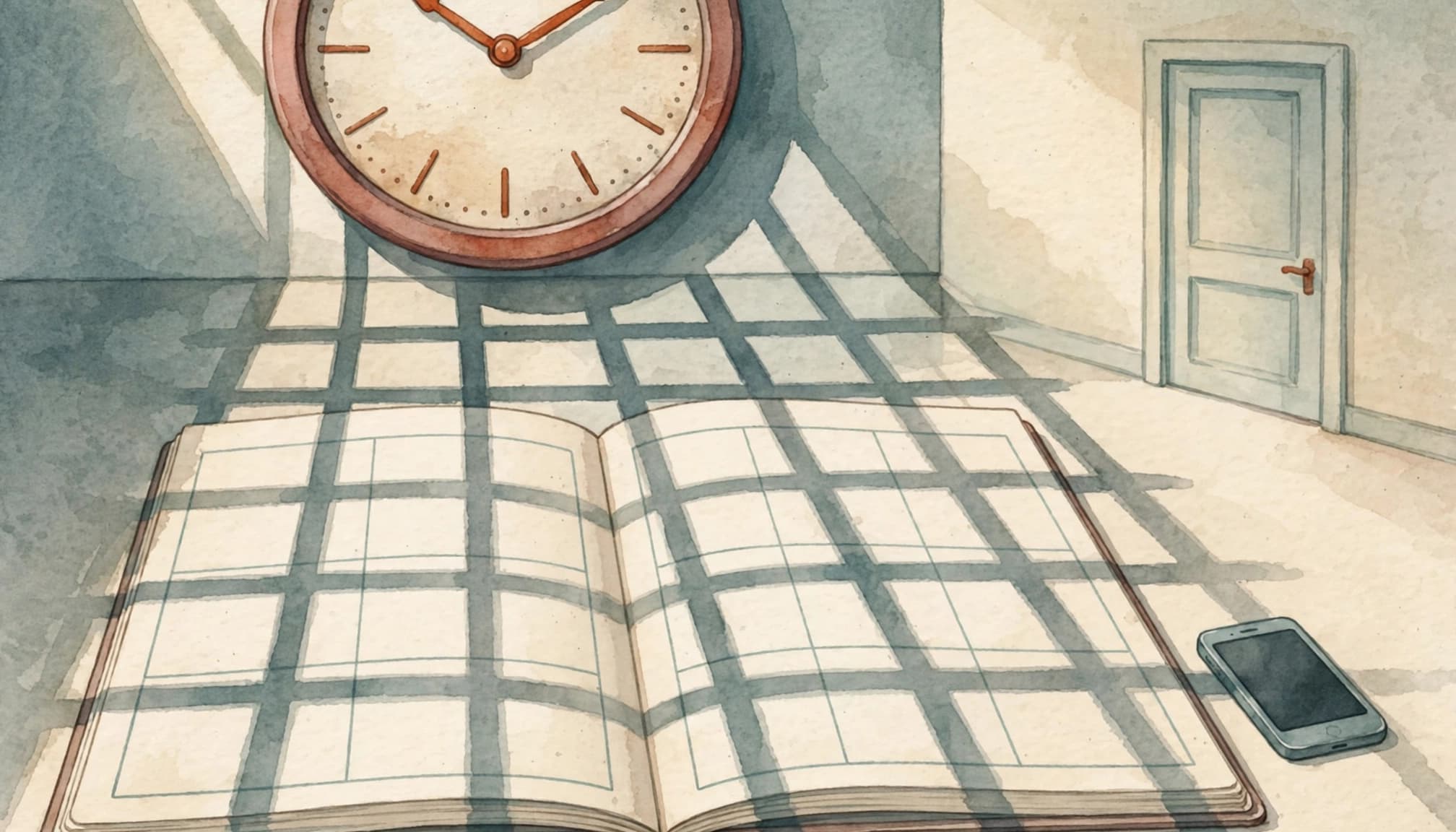
You explain why an errand took longer than expected. Exercise, appointments, or an evening alone require approval. Your partner’s plans remain flexible while yours face constant review.
Sometimes control involves practical barriers. They withhold the car, interrupt work, or refuse agreed childcare whenever you make independent plans. An older or disabled partner may face restrictions on rides, medication access, or necessary care.
Ask yourself: Can I make ordinary choices without preparing a defense? Repeatedly needing permission to meet basic needs deserves attention.
2. Contact becomes surveillance
An abusive partner may demand to know where you are at all times. They may call or text nonstop, demand passwords, or require screenshots and live location sharing. Using digital tools to track or pressure a partner is tech abuse.
Missed calls during work become accusations. Falling asleep before a late-night conversation becomes evidence that you don’t care.
Location sharing is only voluntary if you can stop sharing without threats or punishment.
Concern leaves room for privacy. Monitoring makes you accountable for every gap in contact. Our guide to when questions become control explores how repeated questioning can leave you defending ordinary choices.
Isolation and Punishment When You Take Time Away
3. Seeing other people comes with a cost
Isolation doesn’t always begin with “You can’t see them.” Your partner may start arguments before family visits or insist your friends are harming the relationship.
They might be welcoming in public, then punish you privately for enjoying yourself. Others see charm and concern. You experience the fallout afterward.
Soon, you cancel because explaining feels exhausting. Jealousy may be presented as love, but repeated accusations and restrictions reduce your access to support.
This can happen in same-sex relationships and any other relationship structure. A partner may also use the possibility of revealing private information to keep you isolated.
4. Silence or threats follow independent choices
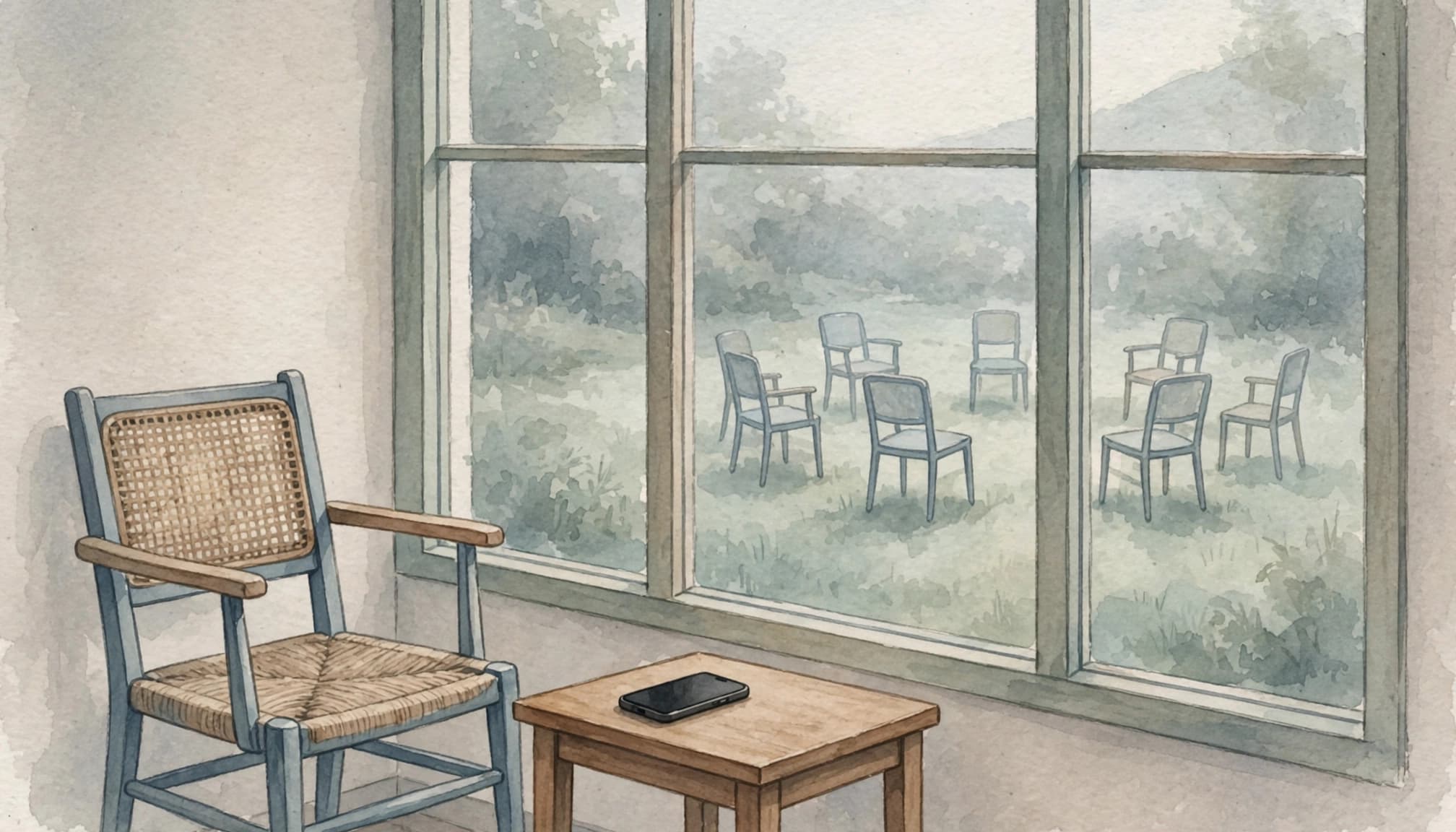
After you take time for yourself, your partner may ignore you for days or weeks. The silent treatment can leave you walking on eggshells until you apologize for something you didn’t do.
Stonewalling is a repeated shutdown of communication. An agreed break includes an intention to return to the conversation.
Threats and intimidation may involve pets, housing, children, or suicide if you leave. Take them seriously, but remember that you aren’t responsible for managing them alone. Support services can help you consider safer responses.
Manipulation That Makes Control Harder to Name
5. Your memory and character are attacked
Gaslighting involves twisting, denying, or omitting information until you doubt your memory, perception, or sanity.
Your partner may deny agreeing to your plans, then say you’re confused when you remember the conversation. Over time, you rehearse explanations or save messages because your own recollection feels unreliable.
Healthline describes character assassination through sweeping claims using “always,” such as “You’re always late” or “You’re always screwing up.” Repeated put downs or name-calling can be verbal abuse, turning a specific concern into blame and eroding self-esteem.
Our gaslighting signs and examples offer more language for recognizing repeated reality-twisting.
6. Affection returns when you pull away
Love bombing is excessive affection, attention, or praise used to manipulate, often during the first weeks of dating. Intense affection alone doesn’t establish abuse. Look at whether closeness becomes an expectation of constant access.
SafeLives’ domestic abuse glossary describes love bombing as an initial phase of an abuse cycle. It calls brief returns of attention “dosing,” which can keep someone attached. This pattern doesn’t describe every abusive relationship.
Hoovering, named after the Hoover vacuum, means attempts to pull someone back through texts, calls, or apparently accidental encounters.
Warm moments can feel meaningful. They don’t erase the restrictions that return afterward.
What Time-Based Control Can Do to You
You may feel dread when your phone lights up. Sleep becomes difficult because arguments stretch into the night. Work suffers when interruptions never stop.
Some people become anxious or constantly alert. Others feel numb, disconnected, or unsure what they want. These reactions can develop under repeated pressure. They aren’t proof that you’re weak.
UR Medicine’s overview of emotional abuse reports that over 12 million U.S. adults experience intimate partner abuse annually. It describes emotional abuse as reported more often than physical or sexual abuse and accounting for almost half of violence against women.
You don’t need to diagnose narcissism to recognize relationship abuse. The behavior and its effect on your freedom matter.
Texas Tech notes that drugs or alcohol can increase the severity of abusive behavior, but they don’t cause abuse. Substance use doesn’t excuse monitoring, humiliation, or threats.
Safer Next Steps When These Signs Feel Familiar
Keep a record only if it’s safe
A private record can help you see repetition. Note dates, what happened, exact words you remember, and effects such as missed work or canceled appointments.
Save relevant messages or screenshots only if discovery won’t increase danger. Avoid shared accounts or devices your partner can access. You don’t need documentation to deserve help.
Tell one trusted person what has been happening, if possible. You might agree on a check-in time or a simple phrase that means you need support.
Reach support without announcing your plans
You don’t have to confront your partner or announce that you’re considering leaving. If speaking feels safe, keep the conversation brief and arrange support afterward. If you fear retaliation, speak privately with an advocate first.
Changing passwords or disabling tracking can alert a controlling partner. Plan digital changes carefully, preferably using a safer device they can’t access.
In the U.S., call 1-800-799-7233 or text START to 88788 for The National Domestic Violence Hotline. Its support and crisis services can help you discuss options and safety.
An advocate can listen, ask about immediate risks, and help build a plan around housing, transportation, children, and trusted contacts. Seeking help doesn’t commit you to leaving.
If you’re threatened or stalked and in immediate danger, call 911. A safety plan can also support you while you remain in the relationship.
Questions About Emotional Abuse and Recovery
What is the hallmark of emotional abuse?
A central feature is a repeated pattern of power and control that harms your emotional safety or independence. You may become afraid to express needs, disagree, or spend time apart.
One serious threat still warrants help. You don’t have to wait for more incidents to take your safety seriously.
Can relationship healing happen while control continues?
Relationship healing requires safety, accountability, and sustained changes in behavior. Apologies or affection don’t establish repair if monitoring and punishment continue.
Your recovery can begin with individual support and rebuilding trust in your reactions. Our guide to boundaries after emotional abuse addresses why reasonable limits can feel frightening after repeated punishment. You don’t have to enforce a boundary alone when doing so could put you at risk.
Your Time Deserves Respect
Having your own time, privacy, and relationships is a reasonable need. Repeated punishment for those needs deserves attention, even when your partner is caring at other times.
You don’t need a perfect label before seeking support. One safe conversation with a trusted person or advocate can help you understand your options without deciding everything today.