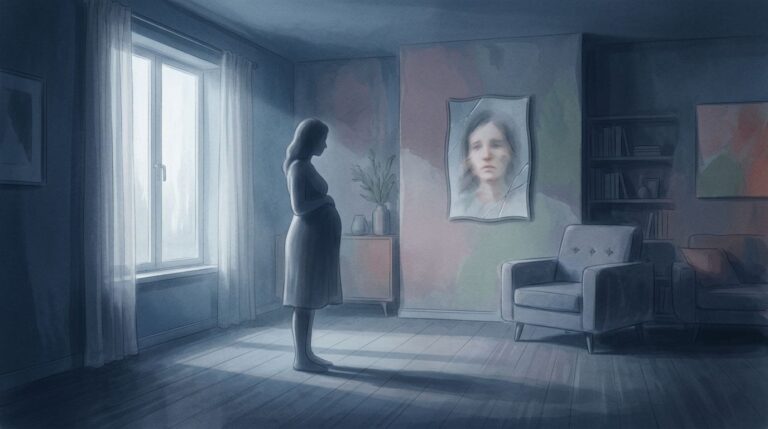
After a blowup, many people ask a painful question: was that reactive abuse, or are we both abusive? The short answer is that a survival-based reaction to ongoing harm is not the same as a shared pattern of control and cruelty.
The phrase reactive abuse is not a clinical diagnosis. It’s a common term people use when someone who has been pushed, cornered, frightened, or repeatedly provoked finally reacts in anger, panic, or desperation. That reaction can still be harmful. Still, it does not automatically make the whole dynamic equal.
To sort out reactive abuse mutual abuse, it helps to look past the worst moment. Focus on pattern, power, fear, and what happens over time.
What people usually mean by reactive abuse
Reactive abuse often shows up after repeated emotional abuse, humiliation, gaslighting, or coercive control. Think of a pot simmering on low heat for hours. The boil at the end matters, but so does everything that kept turning the heat up.
Sometimes one person mocks, provokes, stonewalls, threatens, or invades boundaries until the other person explodes. Then the first person points to that outburst as “proof” that both people are equally abusive. That can be a very effective form of blame-shifting.

This does not excuse yelling, threats, or throwing things. It does mean context matters. A person reacting under pressure is different from a person creating a system of fear and control.
A single incident rarely tells the full story. Instead, ask what daily life feels like. Is one person walking on eggshells? Is one person afraid to disagree? Are boundaries punished? Those are stronger clues than one ugly fight. If you need a clearer frame for what emotional abuse looks like, it can help to compare day-to-day patterns, not just dramatic moments.
The key question isn’t “Who looked worse in one argument?” It’s “What pattern led up to that moment, and who held power the whole time?”
Some people notice these dynamics in relationships that also involve traits linked with narcissism, such as entitlement, image management, and a refusal to take accountability. Still, behavior matters more than labels.
How reactive abuse differs from mutual abuse
The term mutual abuse can be tricky. Many advocates avoid it when coercive control is present, because it can flatten a real power imbalance. Still, people often use it to describe a relationship where both partners repeatedly act in harmful, controlling ways.
This quick comparison can help:
| Clue | Reactive pattern | Mutually unhealthy pattern |
|---|---|---|
| Power | One person holds more control, fear, or influence | Power is less one-sided |
| Trigger | Reaction follows repeated provocation or intimidation | Both people start and sustain harm |
| Fear | One person is more afraid of consequences | Fear may go both ways, or be less clear |
| Accountability | One person avoids responsibility and weaponizes the other’s reaction | Both avoid repair and repeat harm |
| Aftermath | One person feels ashamed, confused, or scared | Both may justify their behavior and restart the cycle |
The takeaway is simple: look for an ongoing pattern of coercive control, not just a heated exchange.
Here’s a practical example. Alex checks Morgan’s phone, mocks Morgan’s feelings, and threatens to leave during every conflict. After hours of baiting, Morgan screams and throws a pillow. Morgan’s reaction is not healthy, but the pattern still points to relationship abuse, not equal abuse.
Now compare that with this. Casey and Drew both insult each other, both read private messages, both threaten breakups, and both escalate arguments week after week. Neither seems to hold steady power over the other. That’s still serious, but it may fit a mutually unhealthy dynamic more than a one-sided abusive system.
If you relate to cycles of charm, blame, confusion, and emotional whiplash, this guide to understanding narcissistic abuse dynamics may give more language for what you’re seeing.
Steps toward clarity and healing
Clarity often comes slowly. That’s normal. Abuse can make your memory feel foggy, and shame can make every reaction look like proof against you.
One helpful step is writing down what happens before, during, and after conflict. Notice who starts the intimidation, who gets blamed, who feels fear, and what happens when someone says no.

A few grounded steps can support recovery and relationship healing:
- Track patterns: Write dates, triggers, and aftermath. Patterns speak louder than promises.
- Notice safety: If you fear retaliation, isolation, stalking, or threats, treat that seriously.
- Get outside support: A trauma-informed therapist or domestic violence advocate can help sort confusion without blaming you.
- Choose care that fits the dynamic: If coercive control is present, joint counseling may not feel safe. Individual support is often a better first step.
If you feel unsafe, seek help from a qualified domestic violence service or mental health professional in your area. This is not legal advice, and no article can define your whole situation from one incident. Still, your fear, confusion, and body’s warning signs matter.
For many people, recovery begins with rebuilding trust in their own perception. If that’s where you are, this piece on rebuilding after emotional abuse offers gentle support for the next stage.
Conclusion
If you’re questioning whether it was reactive abuse or mutual abuse, start with the bigger picture. Look for power, fear, repetition, and whether one person keeps using the other’s reaction as a shield. That’s often where the truth becomes clearer. Whatever you call it, you deserve safety, support, and a path toward recovery that does not blame you for surviving.