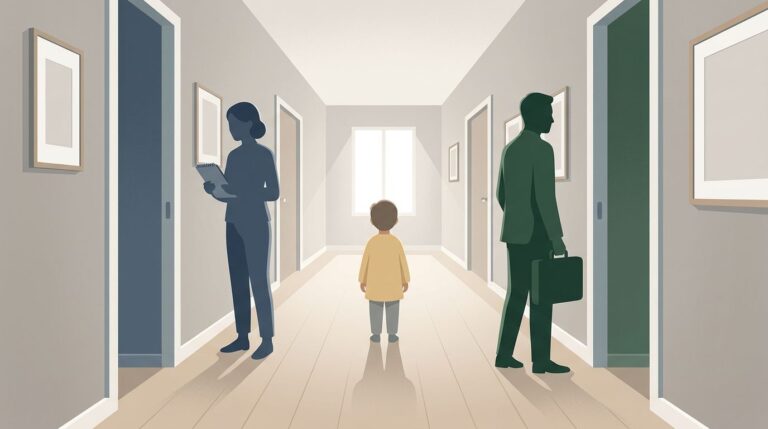
Does your body still brace for conflict, even when the room is quiet? After emotional abuse, many people stay on guard long after the relationship ends, often experiencing symptoms of post-traumatic stress disorder.
That constant scanning can feel exhausting, and you may watch faces, replay texts, or wake at small sounds. This is hypervigilance, a trauma response that keeps you locked in survival mode, and it often shows up after emotional abuse because your body learned that danger could appear at any moment. Healing starts when you understand why hypervigilance emotional abuse happens.
Key Takeaways
- Hypervigilance is a survival response after emotional abuse, not a character flaw—your body learned to scan for threats like sudden mood shifts, gaslighting, or criticism to stay safe.
- Gentle grounding techniques, like pressing your feet into the floor, naming what you see, or lengthening your exhale, help signal safety to your nervous system without forcing calm.
- Build safer habits with boundaries, sleep routines, journaling triggers, and trauma-informed therapy to teach your body that the present differs from past danger.
- If abuse is ongoing or symptoms include panic, dissociation, or severe sleep issues, prioritize safety planning and professional support like therapists or crisis lines.
What hypervigilance after emotional abuse really feels like
Hypervigilance can look loud or quiet. Some people have a heightened startle response. Others seem calm while their mind races in a heightened state of awareness. You may over-apologize, engage in emotional hypervigilance by scanning for mood shifts, sit near exits, or rehearse conversations to avoid fallout from walking on eggshells.
The phrase hypervigilance emotional abuse often points to this exact aftermath. The relationship may be over, yet your nervous system still acts like it has to prevent the next blowup. That can leave you tense in safe places and exhausted around ordinary stress.
This response is common after gaslighting, silent treatment, chronic criticism, and mixed signals. If you’re still sorting out what happened, these signs of emotional abuse can help put language around the pattern.
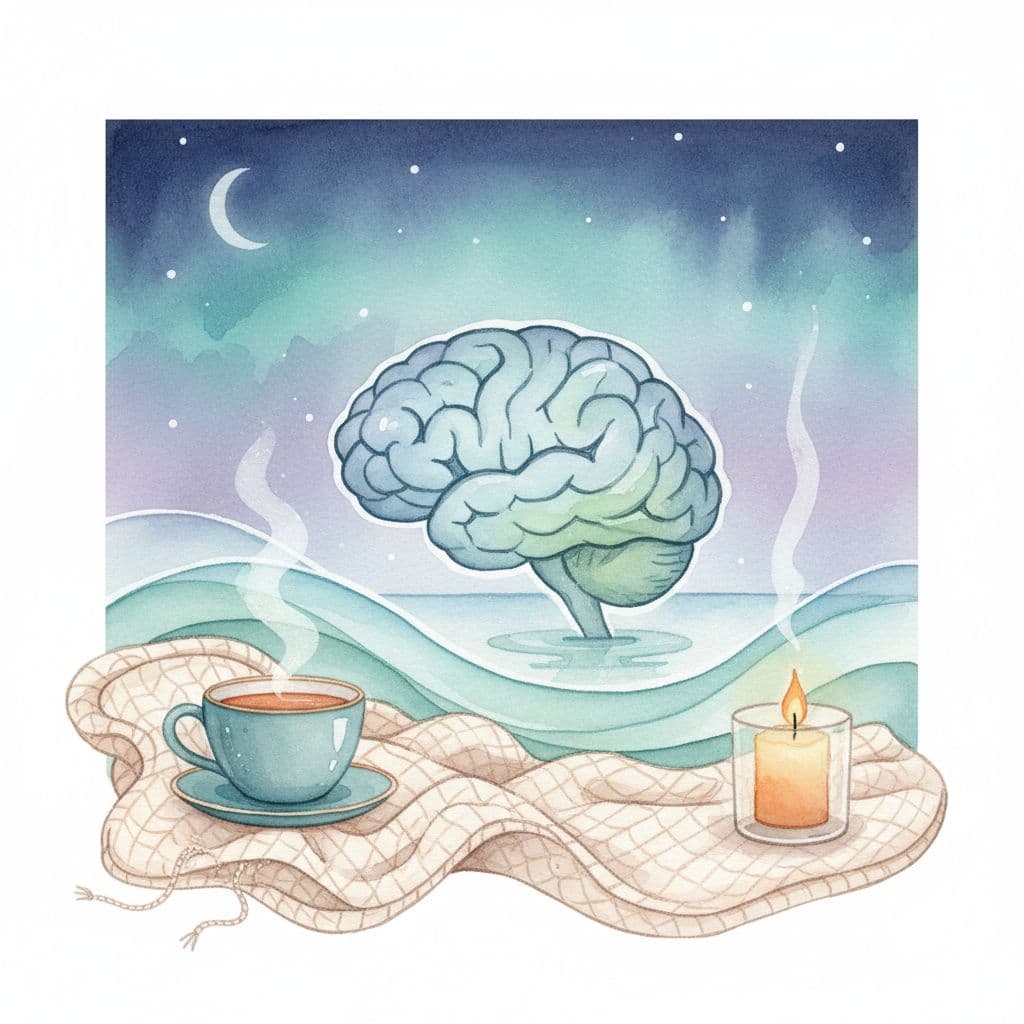
Your body learned through repetition, often shaped by attachment theory that tunes you into a partner’s emotional shifts. When kindness turned to contempt without warning, scanning for threats made sense, especially if prior childhood trauma exacerbated the pattern. A sensitive smoke alarm is a useful image here. It reacts fast because missing real danger once felt too costly.
That also explains why recovery can feel slow. In relationships shaped by control, or by traits often discussed under narcissism, people learn to watch every word and facial shift. These common signs of narcissistic abuse often leave the body scanning long after the relationship ends. A guide on hypervigilance from emotional abuse describes this as a common survival response after long-term threat.
Hypervigilance is a survival response, not a character flaw.
What protected you before can wear you out now. Hypervigilance can disturb sleep, drain concentration, and make safe people feel hard to trust. Still, naming the pattern matters. Once you see the alarm for what it is, you can start teaching your body that this moment is different from the past.
Gentle ways to lower hypervigilance without pushing yourself
Trying to force calm usually backfires. Your body needs cues of safety, repetition, and choice.
Start with grounding techniques that bring you into the present. Press both feet into the floor. Name five things you see. Hold something cool. Lengthen your exhale, especially on the out-breath. These grounding techniques help manage the fight-or-flight response by helping your brain track what is true right now.
If slow breathing makes you more aware of panic, choose movement-based mindfulness practices instead. Walk around the room. Stretch your hands. Run cool water over your wrists. Gentle nervous system regulation works best when it stays within your window of tolerance, feeling tolerable rather than overwhelming.

Sleep support matters too, because tired bodies scan harder. Keep lights low for an hour before bed. Reduce late-night conflict, doomscrolling, and checking messages from triggering people. If your mind races with catastrophizing and overthinking, keep a notebook nearby and do a short “parking lot” journal entry: what happened, what you feel, what can wait until tomorrow.
This quick table can help you match the spike with a response.
| When hypervigilance spikes | Gentle response |
|---|---|
| You start scanning the room | Press your feet down and name three colors |
| You notice muscle tension | Stretch your hands or run cool water over wrists |
| A text or tone change sets you off | Pause before replying, then take six slow exhales |
| Bedtime feels unsafe | Use a steady routine, dim light, and write worries down |
The goal isn’t perfect calm. The goal is enough safety for your body to step down from high alert.
Boundaries lower nervous system load too. Developing boundary awareness means you don’t have to answer right away or defend every feeling, helping curb people-pleasing habits that drain energy. A short line like “I’m not available for this conversation right now” protects energy and reduces fresh triggers. That matters in recovery, because new stress can keep old alarms loud.
Journaling can help you spot patterns without blaming yourself. Write down what set your body off, what you needed, and what helped even a little. Over time, this builds a map of triggers, needs, and relief. If everyday choices feel strangely risky, rebuilding self-trust after abuse can support that part of relationship healing.
Therapy can help too, especially trauma-informed care. Some people find cognitive behavioral therapy, EMDR therapy, somatic experiencing, or group support helpful. These PTSD-related hypervigilance strategies may also give you ideas to discuss with a provider. Progress rarely moves in a straight line. A loud voice, an anniversary date, or a delayed text can wake the alarm again. That doesn’t erase growth. Your system is still learning.
Frequently Asked Questions
What is hypervigilance after emotional abuse?
Hypervigilance is a trauma response where your body stays on high alert, scanning for threats even in safe situations, often after gaslighting, silent treatment, or chronic criticism. It feels like bracing for conflict, heightened startle responses, or rehearsing conversations to avoid fallout. This survival mode protected you then but can exhaust you now.
How can I gently reduce hypervigilance?
Start with simple grounding like pressing feet down, naming colors around you, or running cool water over wrists to stay present. Pair this with boundaries to lower stress, dim lights before bed to aid sleep, and journaling to map triggers without self-blame. Progress comes through repetition, staying within your window of tolerance.
Is hypervigilance linked to PTSD?
Yes, it’s a common symptom of PTSD or complex PTSD after prolonged emotional abuse, keeping your nervous system in fight-or-flight. It often lingers due to repeated unpredictability, like mixed signals or contempt. Therapy like EMDR or somatic experiencing can help rewire this response.
When should I seek professional help for hypervigilance?
Reach out if it disrupts sleep, concentration, trust, or brings panic attacks, dissociation, or self-harm urges. Trauma-informed care, such as CBT, EMDR, or support groups, offers tailored tools. This article isn’t medical advice—consult a therapist, doctor, or crisis line for personalized guidance.
Can my body learn to feel safe again after hypervigilance?
Yes, with time, safer boundaries, and cues of safety like routines and gentle regulation, your alarm softens one moment at a time. It adapts just as it learned vigilance before. Recovery restores emotional safety, voice, and trust in your decisions.
When safety and support need to come first
If you’re in immediate danger or the abuse is ongoing, safety planning and local support should come first. Some coping tools are best used quietly if someone monitors your phone, sleep, money, or movement. When safety is at risk, the goal is to protect yourself.
This article is educational. It isn’t a substitute for medical, mental health, or legal care. If hypervigilance comes with panic attacks, dissociation, self-harm urges, or sleep loss that won’t ease, reach out for trauma-informed treatment from a therapist, doctor, crisis line, or domestic violence advocate. For many, these symptoms are indicative of complex PTSD when abuse is long-term. You may also want support and recovery resources when you’re ready for a careful next step.
Relationship healing doesn’t always mean repairing the relationship. Sometimes it means healing your bond with your own body to restore emotional safety, your voice, and your limits. That kind of recovery may look quiet from the outside, yet it changes daily life in real ways.
Your body learned hypervigilance for a reason. It adapted to emotional abuse, relationship abuse, and uncertainty the best way it could.
With time, safer boundaries, and gentle repetition that helps regulate stress hormones like cortisol, recovery becomes more than an idea. The alarm usually softens one small moment of safety at a time.