Content note: This article discusses coercive control, outing threats, and safety planning.
Some harm leaves no bruise. It leaves you rereading old messages, apologizing for needs, and wondering when you stopped trusting your own mind.
If you’re searching for information about emotional abuse in LGBTQ relationships, you may already feel that something is off. The relationship may look private, close, or even protective from the outside. Inside it, you may feel watched, smaller, alone, or afraid of the next reaction.
Privacy can be loving. Control dressed up as privacy is something else.
Key Takeaways
- Emotional abuse is about ongoing power and control, not only physical violence or one difficult argument.
- Privacy is mutual and freely chosen; demands for passwords, isolation, punishment, or access to private information can turn privacy into control.
- Threats of outing, identity-based pressure, gaslighting, conditional care, and digital monitoring are warning signs of abuse in LGBTQ+ relationships.
- Marginalization and past harm from institutions can make seeking help harder, but they do not cause the abuse or make it your fault.
- Safety planning can begin with small, private steps and support from LGBTQ+-affirming advocates, trusted people, or crisis resources.
Privacy is a shared choice, control is a demand
Relationship abuse is about power and control, not how dramatic one argument looks. Emotional abuse, sexual assault, and other abusive behaviors can occur within dating violence and domestic violence. These patterns can affect relationships of every gender, sexuality, age, and structure. The CDC’s National Intimate Partner and Sexual Violence Survey tracks how intimate partner violence, sexual violence, and stalking affect millions of people in the United States.
Healthy privacy is consensual and reciprocal. You both get to keep parts of your lives to yourselves. You can have separate friendships, passwords, family relationships, money decisions, and quiet time without punishment. A private relationship can still involve domestic abuse when privacy becomes a one-way rule.
Coercive control uses fear, secrecy, pressure, or unequal power. A partner may call it “protecting the relationship” while demanding access to your phone, deciding who hears your side, or punishing you for speaking to someone they dislike.
A partner who keeps their life private but demands full access to yours is not asking for mutual privacy.
Ask what happens when you say no
It can help to look at the outcome, not only the request. Anyone can want reassurance after a hard day. The concern is what follows when you set a limit. Those recurring responses are warning signs, especially when they shrink your choices.
Ask yourself:
- Can I decline a request without being mocked, ignored, threatened, or accused of betrayal?
- Do I hide harmless choices because explaining them feels exhausting?
- Am I allowed to have support that doesn’t include my partner?
- Does “privacy” mean I cannot tell the truth about how I am treated?
One difficult conversation doesn’t define an abusive relationship. A repeating pattern of fear, punishment, and shrinking choices does.
Emotional abuse in LGBTQ relationships can hide in plain sight
Many people were taught to picture abuse as physical violence or a man controlling a woman. That narrow picture misses too much. Abuse can occur in lesbian relationships and queer relationships, as well as between two men, nonbinary partners, trans partners, and people in any relationship structure. It can take the form of psychological violence without physical force.
Emotional abuse often builds slowly. At first, controlling behavior may sound like devotion, worry, or intense love. Over time, it can make you feel as though peace depends on keeping one person happy.
When care becomes conditional
Maybe your partner is warm after you cancel plans with friends. That conditional love can disappear when you need rest, work late, or spend time with chosen family. They might use constant criticism to call you selfish for wanting space, then demand an immediate reply when they feel anxious.
The rules can keep changing. You may be told not to post online, not to wear certain clothes, not to discuss your relationship, or not to use labels that feel right to you. When you follow every rule and still get blamed, the goal was never harmony. The goal is control.
Gaslighting wears down self-trust
Gaslighting is more than disagreement. It is a repeated effort to make you doubt what you saw, heard, felt, or remembered. A partner might deny cruel comments or insist you are “too sensitive.” Blame shifting turns their anger into proof that you caused the problem.
You may leave conversations confused and embarrassed. You may start saving screenshots, rehearsing facts, or asking yourself whether you are the abusive one for having a reaction.
Those are painful warning signs of emotional abuse. You don’t have to prove every detail perfectly before taking your own discomfort seriously.
Identity abuse can turn belonging into a threat
LGBTQ+ people often build safety through identity, community, and chosen family, creating support networks that help them feel grounded. An abusive partner may use those connections to create isolation and pressure points. Using identity, community, or disclosure status as leverage is identity abuse.
A threat of outing is a form of control
No one has the right to decide who knows your gender identity, sexuality, HIV status, relationship structure, immigration status, or personal history. Threatening to expose private information is abusive, even when the person later calls it a joke.
A repeated threat of outing can trap someone, even when it’s framed as a joke. They may say they will contact your family, workplace, school, faith community, or social circle. They may threaten to share private messages or claim no one will believe you because they know your history. The message is meant to trap you: “Stay, or I will take away your safety.”
Your identity is yours. You don’t owe disclosure to friends, relatives, employers, advocates, or law enforcement in order to deserve help.
Marginalization can raise the cost of leaving
Transgender people may face threats involving pronouns, gender-affirming care, housing, documents, or access to money. Bisexual women may be accused of unfaithfulness because of their identity. Disabled survivors may depend on someone for transport, communication access, or daily care.
Racism, anti-immigrant policies, poverty, religious rejection, and past harm from institutions can make help seeking feel risky. These experiences don’t cause abuse. They can make an abusive partner’s threats feel more believable.
Heteronormative stereotypes can make the problem harder to see. Friends may see a controlling sapphic partner as “protective.” Men may be told they can’t be harmed by another man. Transgender people may fear being misgendered or treated as unreliable by services that should help them.
When digital privacy is used to watch you
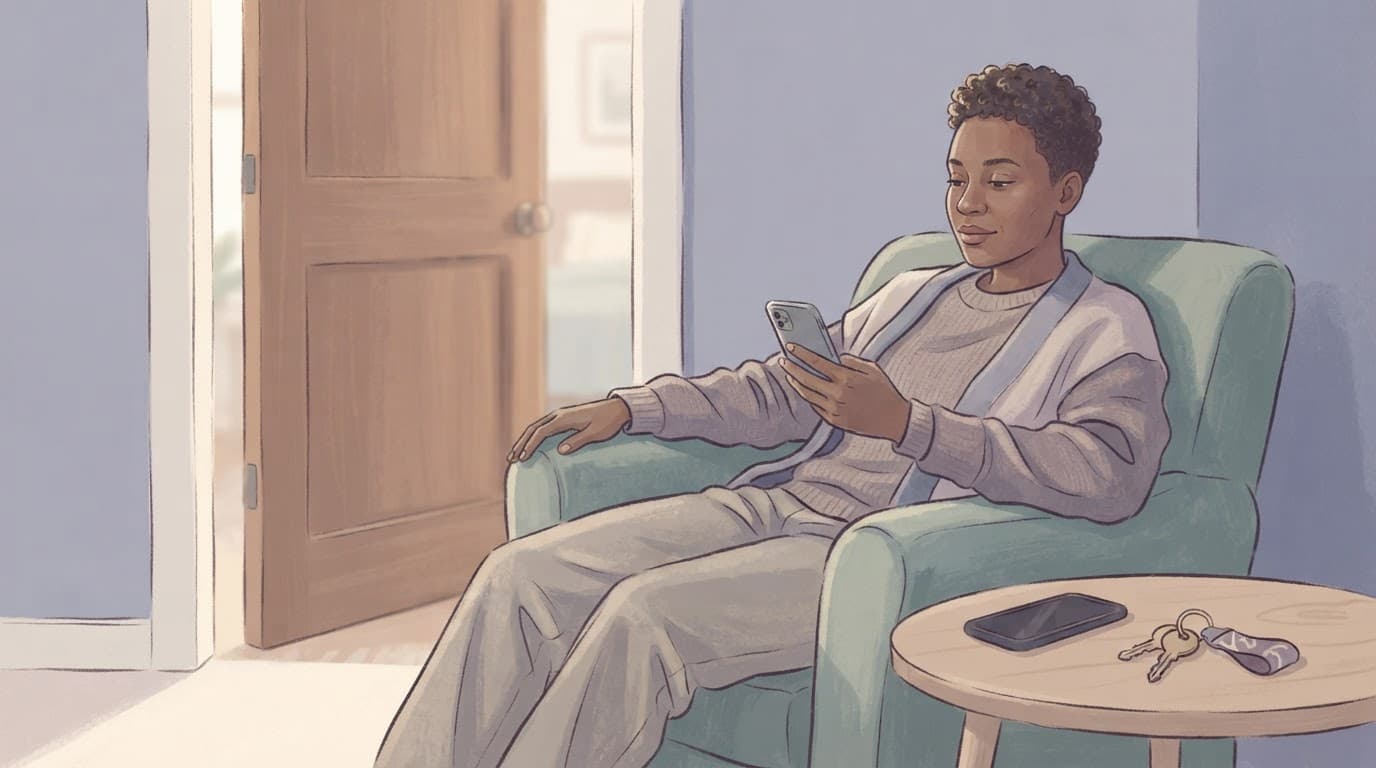
Technology can make control feel constant. Digital monitoring can be a form of emotional abuse, not merely a disagreement about privacy. It can also make you question whether you are being “secretive” when you are only trying to have a private life.
Watching is not the same as caring
A partner may demand your passwords, track your location, read messages, check shared cloud accounts, or use social media activity to question where you were. They may insist that proof of love means unrestricted access. These abusive behaviors are warning signs when access is demanded, and refusing it leads to punishment.
Notice whether access is freely offered or demanded. Notice whether you can turn off location sharing without fallout. Notice whether they respect a closed laptop, private journal, or conversation with a friend.
If you think a device may be monitored, use a safer device when possible. A library computer, a trusted person’s phone, or a private work device may be safer than a shared account. Don’t change passwords or settings if doing so could increase danger.
Distance and non-monogamy do not erase control
Long-distance abuse can include nonstop calls, demands for photo proof, threats to end the relationship if you do not answer, or sudden blocks meant to make you panic. Distance does not make emotional harm less real.
Non-monogamous relationships can include agreements about communication, sexual health, overnights, and other partners. Those agreements need consent from everyone involved. They become controlling when one person creates one-sided rules, demands surveillance, humiliates a partner for consensual choices, or uses jealousy as a reason to punish.
No relationship structure causes abuse. The pattern is still about power and control.
Safety planning can start with one small step
You do not need to confront an abusive partner, announce a breakup, or disclose what’s happening before you’re ready. Leaving or reducing contact after domestic abuse can increase danger for some people. An individualized safety plan can help you think through what’s safest in your circumstances.
Keep the first steps private and practical
Consider a few small actions, only if they feel safe:
- Write down incidents in a place your partner cannot access, or tell one trusted person what’s been happening.
- Keep important documents, medication, cash, keys, and contact details where you can reach them if needed.
- Choose a code word with a friend that means “please call” or “I need help.”
- Think about where you could go for a few hours or overnight if home becomes unsafe.
You are not failing if you cannot leave now. Your safety plan is not a test of bravery. It’s a flexible plan built around real needs, real risks, and the resources you have.
Choose support that fits your situation
In the United States, The Hotline offers confidential domestic violence support 24 hours a day. Advocates familiar with intimate partner violence can help you assess risk without pressuring you into one decision. As part of help seeking, a confidential question doesn’t commit you to leaving.
Native American and Alaska Native survivors can contact the 24/7, confidential StrongHearts Native Helpline by call, text, or chat. The LGBT National Help Center offers LGBTQ+ peer support, and its website lists current contact options and hours. Support may be available after dating violence or sexual assault, not only after physical violence.
If you are in emotional distress or thinking about suicide, the 988 Lifeline offers free, confidential call, text, and chat support for mental health concerns around the clock. If you are outside the United States, look for local LGBTQ+-affirming crisis resources that fit your location and circumstances, including the needs of transgender people. You deserve safety and support as you decide what to do next.
Friends may miss what they cannot see
Toxic relationships can look like closeness from the outside. A partner may seem charming at events and present themselves as the worried one. Meanwhile, isolation may leave the person being harmed quiet, exhausted, or disconnected.
Unhealthy dynamics can also appear in friendships and family relationships. Similar patterns apply when someone pressures you to cut people off, doubts your reality, controls private information, or makes care conditional.
Support without taking control away
If you are worried about someone, lead with belief and care. Try: “I’ve noticed you seem more alone lately. I believe you, and I am here.” Ask what would feel helpful instead of demanding details.
Avoid confronting their partner, posting about the situation, or contacting others without permission. Those actions can create more risk. Keep the door open and offer practical help that protects their support networks. A ride, a place to sit, help finding a resource, or a regular check-in can help without requiring an explanation.
Being believed can be a turning point when someone has spent months being told their feelings are wrong.
Recovery begins with believing yourself again
Emotional abuse can leave you numb, anxious, overly responsible for other people’s feelings, or unsure what you want. These responses make sense when your nervous system has spent a long time preventing punishment. Over time, these experiences can affect your mental health.
You do not need to decide whether narcissism explains your partner’s behavior. Labels can be useful for some people, but you do not need a diagnosis to name harm or seek support.
Let your own voice take up space again
Recovery can begin with small acts of self-trust. When recovering from toxic relationships, you might notice what happens in your body when you feel pressured. You might reconnect with one safe person or write down your values, needs, and limits without arguing yourself out of them. This can help you distinguish genuine care from conditional love tied to obedience.
Healing after emotional abuse is not about becoming unaffected by what happened. It is about making room for your feelings, your choices, and your life again.
Relationship healing may include grief, anger, relief, or all three in the same week. You can take it slowly. You are allowed to want relationships where privacy feels peaceful, not frightening.
Frequently Asked Questions
What is the difference between privacy and control in a relationship?
Healthy privacy is mutual, consensual, and respected by both partners. Control appears when one person demands access, restricts support, or punishes the other for keeping reasonable parts of their life private.
Is threatening to out someone emotional abuse?
Yes. Threatening to disclose someone’s sexuality, gender identity, HIV status, relationship structure, or other private information is a form of coercive control, even when it is described as a joke.
Can emotional abuse happen without physical violence?
Yes. Gaslighting, isolation, constant criticism, digital monitoring, conditional affection, and threats can cause serious harm without physical force. A repeated pattern of fear, punishment, and shrinking choices matters.
What should I do if I think my partner is monitoring my devices?
Use a safer device or account when possible, such as a trusted person’s phone or a library computer. Avoid changing passwords or settings if that could increase danger, and consider speaking confidentially with an advocate about your circumstances.
How can I support a friend experiencing emotional abuse?
Lead with belief and care, and ask what kind of help would feel useful. Avoid confronting their partner or making decisions for them; practical support and regular, nonjudgmental contact can help them stay connected and safer.
You are allowed to name what hurts
A relationship does not have to look like anyone else’s idea of domestic violence before you take your fear seriously. If love requires you to disappear, stay silent, or surrender your privacy, something is wrong.
You deserve privacy without punishment, support without conditions, and care that does not make you doubt yourself.
The abuse is not your fault. Confidential crisis resources are available, and you deserve safety and support. You don’t have to figure this out alone.