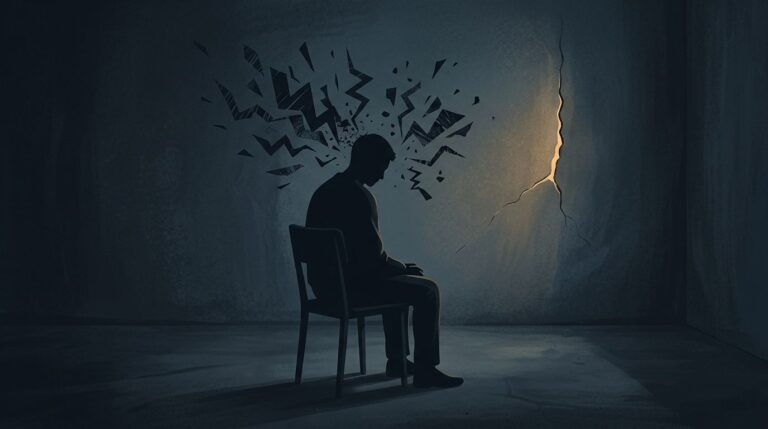
Some relationships don’t break you with shouting. They wear you down with mixed signals, guilt, and doubt.
That’s why covert narcissist signs can feel so hard to name. The person may seem wounded, thoughtful, or misunderstood on the surface, while you carry the confusion underneath. No article can diagnose a partner, but patterns still matter.
Why covert behavior feels so confusing
Unlike loud, obvious arrogance, covert behavior often hides behind sensitivity. A partner may talk often about being hurt, overlooked, or treated unfairly. At first, that can pull out your empathy. Later, it can become the center of every conflict.
That hiding quality is part of why covert dynamics are so painful. You bring up something painful, and somehow the talk turns into their sadness, their stress, or how badly you spoke to them. As a result, your needs keep getting pushed to the side. Over time, you may soften your words, apologize first, or stop raising issues at all.
That confusion is part of the pattern. Many people first make sense of it by learning what narcissistic abuse feels like, especially when charm and harm keep showing up together.
Common covert narcissist signs in a romantic relationship
These signs are not proof of a diagnosis. Still, when they repeat over time, they can reveal a deeply unhealthy dynamic tied to control, shame, and traits often linked to narcissism.
Subtle put-downs that sound like care
The comments may seem small at first. “I’m only trying to help.” “You look better when you don’t talk so much.” “Your friends are a bad influence on you.” The tone may sound calm, but the message lands like a pinprick.

Because the criticism comes wrapped in concern, you may question your reaction. Yet the effect matters. If you feel smaller after these talks, that’s important.
They become the victim when you name harm
This is one of the most common covert narcissist signs. You say, “That comment hurt me,” and suddenly they’re the wounded one. They may cry, shut down, accuse you of being harsh, or say you’ve ruined the evening.
Then the focus shifts. Instead of talking about what happened, you end up comforting them. Accountability slips away, and your pain gets buried.
Affection changes when you stop pleasing them
Warmth may return when you agree, back down, or meet their needs first. However, if you set a boundary, they may turn cold. Some people use silence, guilt, or distance as punishment. Others deny what they said, which starts to feel like gaslighting.
A healthy partner can dislike feedback and still stay present. In contrast, a controlling partner may make closeness feel earned, then take it away when you act like an equal.
When these patterns may point to emotional abuse
Not every selfish moment is emotional abuse. People can act immature, defensive, or self-centered without there being a full pattern of relationship abuse. The key question is what happens over time.
The outside of the relationship may still look normal, which can make the harm easier to dismiss. Do you feel afraid to bring up normal needs? Do you rehearse simple sentences before you speak? Are you keeping screenshots, replaying conversations, or asking friends if you’re “too sensitive”? If so, the issue may be bigger than poor communication.
If love keeps asking you to doubt your reality and carry all the blame, something is wrong.
Patterns may be moving into abuse when you feel regularly punished for honesty, isolated from support, or trained to ignore your own limits. If you’re unsure, these signs of emotional abuse can help you compare the relationship against clearer markers. A licensed mental health professional can also help you sort out confusing dynamics without forcing a label onto anyone.
What to do next, and how recovery begins
Clarity often comes in waves. One day you see the pattern, and the next day you miss them deeply. That doesn’t mean you’re weak. Trauma bonds and mixed reinforcement can make harmful relationships feel like home, even when they hurt. Relief after tension can feel like love, which is why distance may feel wrong at first.

Start with small steps that protect your mind and body:
- Write down incidents soon after they happen, including what was said and how you felt.
- Tell one safe person the unedited truth, or reach out to a licensed therapist.
- Watch the impact, not the promise. Ask whether contact leaves you grounded or scrambled.
Real recovery usually starts with self-trust. In time, relationship healing may mean better boundaries, less contact, or leaving the relationship. It may also mean learning what healing looks like post-abuse so you can notice progress, even when it feels slow.
Seek help sooner if you feel monitored, threatened, trapped, or scared of how your partner will react to distance. Support resources and trauma-informed therapy can help you plan safely.
Quiet harm is still harm. The strongest sign to trust is often your own shrinking sense of self.
You deserve a relationship that can hold honesty without punishment. If this feels familiar, take one small step today. That’s often how recovery starts, and how lasting relationship healing begins.