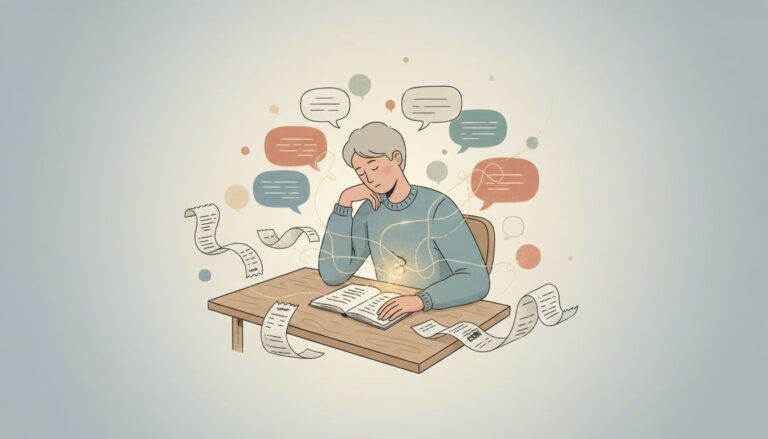
Silence can be restful. It can also feel like a locked door.
Silent treatment emotional abuse happens when someone stops communicating to punish, control, or force you to chase repair. That is very different from a healthy request for space. In a safe relationship, space is explained, respectful, and time-limited. In an abusive dynamic fueled by a power imbalance, silence becomes a weapon.
If this keeps happening in romantic relationships or other interpersonal relationships with a partner, parent, sibling, or close friend, you’re not overreacting. Repeated silent treatment can be a form of emotional abuse and relationship abuse, especially when it leaves you anxious, guilty, or afraid to speak honestly.
When silence is a weapon, not a pause
Everyone needs breathing room sometimes. After conflict, a person might say, “I’m too upset to talk right now. I need an hour.” That shows strong communication skills and is healthy in healthy relationships. It protects both people from saying things they regret.
The problem starts when silence is used like passive-aggressive punishment. This silent treatment, also known as stonewalling, offers no explanation. No time frame. No repair. You are left guessing what you did, how long it will last, and what you must do to make it stop. As this explanation of when silence becomes emotional abuse notes, the line is not silence itself; it’s the use of silence for control.
Here’s a quick side-by-side view:
| Healthy need for space | Silent treatment |
|---|---|
| Says they need time | Gives no explanation |
| Returns at an agreed time | Stays silent until you give in |
| Aims to cool down | Aims to punish or dominate through tactical ignoring and conflict avoidance |
| Respects your dignity | Leaves you confused and desperate |
Healthy space communicates. The silent treatment withholds.

Sometimes a person goes quiet because conflict overwhelms them. That still hurts. Yet it crosses into abuse when the pattern keeps returning, accountability never comes, and contact resumes only after you apologize, comply, or shrink yourself. If you want a broader frame, these emotional abuse warning signs can help you compare what you’re living with.
Warning signs and the hidden mental toll
The silent treatment, a classic form of psychological abuse, often looks small from the outside. Inside the relationship, it can feel huge.
Maybe you raise a concern, and suddenly they stop speaking to you for two days. Maybe they answer others but not you, a type of ostracism. Maybe they act normal in public, then turn icy in private through emotional withdrawal. Some people reconnect only when you take the blame. Others withhold affection, eye contact, or basic kindness until you stop asking for respect. These patterns of manipulation can start with love bombing or grooming, drawing you in before the silent treatment hits.
A 2026 systematic review on silent treatment in close relationships points to serious emotional and relational harm. That fits what many survivors already know in their bodies. Being ignored on purpose can trigger panic, shame, anger, and deep self-doubt.
Common signs include repeated silent treatment after you express needs, pressure to “fix” the mood without knowing the issue through gaslighting, and relief only when you submit. Over time, you may start editing your words, watching their face, or avoiding normal needs, leaving you walking on eggshells. That is how control works through psychological abuse and manipulation. It teaches your nervous system that honesty is risky.

The mental health impact can be heavy. People often report anxiety, depression, numbness, trouble focusing, and loss of self-esteem or self-trust. You might even brace when your phone lights up or feel sick in the quiet after a disagreement, with anxiety building from the isolation. If the silence comes with blame-shifting, idealize-then-freeze cycles, or intense coldness after closeness, you may also recognize narcissistic abuse patterns. You do not need to diagnose anyone for the harm to count.
When silence is part of threats, intimidation, stalking, isolation, or money control, it may overlap with emotional abuse as domestic violence. In that case, safety matters even more than clarity.
What to do next: boundaries, records, and support
If this pattern of silent treatment feels familiar, try to move gently and clearly. You do not need perfect proof before taking yourself seriously.
First, set a simple boundary around communication. For example: “If you need space, tell me that and give me a time to reconnect. I won’t keep chasing when I’m being shut out.” A boundary may not change their behavior, but it gives you information. Respectful people respond to clear limits. Controlling people often punish them.
Next, document patterns of silent treatment and emotional abuse. Keep brief notes with dates, what happened, and how long the silence lasted. Save messages if it is safe. This is not about building a courtroom case overnight. It is about helping yourself see the pattern clearly when self-doubt creeps in, while tracking instances of manipulation for better behavior management.
Then, bring in support. Tell one trusted person what is happening. Consider therapy with someone trauma-informed, especially if the silent treatment has left you confused, frozen, or constantly on edge, or if childhood trauma plays a role. Practical support matters too. This guide on signs and how to respond can help you think through options.

Most importantly, act fast if you feel unsafe. If the person escalates when challenged, threatens you, monitors you, blocks transportation, or frightens you, contact a local domestic violence service, crisis line, or emergency services right away. Your safety comes first.
Recovery and relationship healing are possible. Sometimes healing means repairing interpersonal relationships with a person who learns better skills. Sometimes it means stepping back, going low-contact, or leaving, even when hoovering pulls you back into the emotional abuse. In both cases, healing starts with the same move, believing your experience and rebuilding self-esteem.
Conclusion
The bottom line is simple: the silent treatment or stonewalling is not always emotional abuse, but when repeated to punish or exert control, it often is. Especially in romantic relationships, if someone’s withdrawal leaves you fearful, confused, and responsible for earning basic connection, take that seriously. Protect your self-trust, document what happens, and reach for support. You deserve healthy relationships where space is honest, repair is mutual, and your voice does not cost you love.