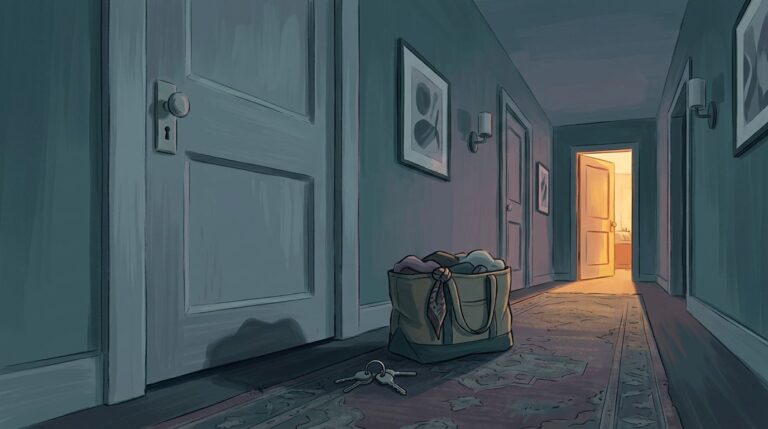
A relationship rule can feel safe when everyone helped create it and can revise it without fear. It becomes something else when breaking it brings punishment, threats, humiliation, or the loss of connection.
If you searched emotional abuse polyamory, you may already be carrying a hard question: “Is this a difficult relationship moment, or am I being controlled?” Polyamorous relationships don’t cause abuse. Emotional abuse can happen in any relationship structure when power and control replace meaningful choice.
You don’t need perfect words or proof to take your discomfort seriously. Start by looking at the pattern.
Key Takeaways
- Polyamorous relationships do not cause emotional abuse, but rules can become coercive when disagreement brings threats, punishment, humiliation, surveillance, or withdrawal of connection.
- Healthy agreements are informed, freely given, ongoing, and revocable. You have the right to change your mind, set boundaries, and keep meaningful choice in every relationship structure.
- Look for repeated patterns rather than one difficult conversation, including gaslighting, double standards, isolation, deception, emotional neglect, and punishment for expressing needs.
- New relationship energy, jealousy, hierarchy, kitchen table polyamory, one penis policies, and unicorn hunting are not automatically abusive. The concern is whether participation is meaningful, standards are mutual, and consent remains free.
- If you feel controlled or unsafe, you do not have to confront the person to prove what is happening. A private safety plan, trusted support, careful documentation, and a domestic violence hotline can help you consider safer next steps.
When relationship agreements stop being shared choices
Healthy agreements can cover time, disclosure, safer sex, finances, sleepovers, and meeting metamours. They can be detailed. They can also change over time.
The difference isn’t whether rules exist. The difference is whether you can say no.
Consent must stay free and revocable
Relationship agreements are shared choices within consensual non-monogamy. In ethical non monogamy, consent needs to be informed, ongoing, freely given, and revocable. This applies to sex, dating, disclosure, group events, and every other agreement.
You may agree to something today and realize next month that it doesn’t work for you. Relationship agreements must remain changeable and revocable. A caring partner may feel disappointed, but punishing you for changing your mind can be a warning sign of emotional abuse.
An agreement is not ethical when one person cannot safely disagree.
Ask yourself what happens when you raise a concern. Can you talk without being mocked, ignored, threatened, or told you are too jealous to be trusted? Can you propose a change without fearing that your partner will withdraw affection or rush toward someone else to hurt you?
Healthy relationships make room for personal autonomy and collaboration. A boundary describes what you’ll do to protect yourself. A coercive rule controls another person’s choices through threats, punishment, surveillance, or withdrawal.
Control often arrives dressed as “the rules”
A controlling partner may insist that a rule is non-negotiable because it is “how polyamory works.” They may claim that you are possessive, closed-minded, or bad at ethical non-monogamy if you need more time.
That isn’t respectful communication. It is pressure.
A hierarchy, a veto agreement, or a network structure such as kitchen table polyamory isn’t automatically abusive. Hierarchical polyamory isn’t inherently abusive either, and people can freely choose these structures. The concern begins when one person creates the rules, changes them alone, or uses them to keep another person anxious and dependent.

Emotional abuse polyamory: look for patterns, not one bad fight
Every relationship has misunderstandings. People can be defensive, jealous, thoughtless, or overwhelmed. Those moments need repair, not a label.
Emotional abuse is different because it follows a repeated pattern that makes you smaller, less secure, and less free. You may edit your needs before speaking. You may feel responsible for managing a partner’s moods while they avoid emotional responsibility for their actions.
A difficult conflict has room for repair
In a hard but healthy conversation, both people can have feelings. A partner may say, “I feel scared when plans change,” without demanding that you cancel a date. They may need time to cool down, then return to the issue with care.
Repair includes listening, acknowledging harm, changing behavior, and allowing you to hold a boundary. Nobody needs to “win.”
That difference matters because emotional abuse repeatedly undermines freedom and self-trust. In abusive relationships, the same issue often returns with a new demand. Your words get twisted, your memories are dismissed, and repeated disregard for your needs may be emotional neglect. You apologize more, while the other person avoids accountability through mocking, humiliation, threats, or verbal abuse.
Gaslighting can create confusion
This pattern may sound like, “That never happened,” “You’re imagining things,” or “Everyone agrees you’re the problem.” In polyamorous relationships, it can involve denying agreements or rewriting safer-sex conversations. It may also mean telling another partner a false version of events.
Denial can create confusion. You may start keeping screenshots or replay conversations because your memory no longer feels safe. That response makes sense, and it doesn’t mean you’re dramatic.
These toxic behaviors can occur in any relationship structure, and naming them doesn’t blame non-monogamy. Emotional abuse can involve coercion, deception, intimidation, and the steady removal of your ability to choose.
Polyamory can create specific openings for manipulation
Multiple relationships do not cause abuse, including emotional abuse. Still, in polyamorous relationships, a controlling person may exploit network complexity, information gaps, or unequal access to confuse, isolate, or pressure someone.
They may keep information separate on purpose, then blame you for not knowing. They may play partners against each other. They may demand access to every private conversation while keeping their own behavior secret.
New relationship energy is not permission to neglect or punish
People often call NRE new relationship energy, and it can be intense. Someone may want more time with a new partner, feel distracted, or make mistakes while figuring out a changing schedule.
But new relationship energy does not excuse cruelty or erase emotional responsibility. It is not a pass to disappear for days, cancel plans repeatedly, dismiss your pain, or punish you. Repeated disappearance or dismissal can cause emotional neglect.
A partner may weaponize NRE by comparing you to someone new. They may flaunt affection after you raise a concern, then call your hurt jealousy. This pattern keeps you off balance instead of supporting honest communication and repair.
Social control can involve an entire relationship network
Isolation in polyamory may not look like being told to stay home. It can involve social control, lost access to trusted metamours, friends, or support networks, and accusations of “creating drama.” Kitchen table polyamory may be freely chosen, while privacy preferences and parallel-polyamory arrangements aren’t automatically controlling.
Threats to disclose someone’s identity, relationship structure, sexuality, gender, kink, or health information are coercive forms of isolation and intimidation. The Network/La Red recognizes that intimate partner abuse can affect people in LGBTQ+, polyamorous, and kink communities, where privacy and community ties may carry extra weight. Their LGBTQ+ partner abuse support can be a helpful starting point. If network-based isolation has become unsafe, a domestic violence hotline may help you consider next steps.
No partner gets to control your friendships, your support system, or your contact with other partners.
Jealousy and double standards deserve an honest look
Jealousy is a feeling, not a moral failure. Jealous emotions can point to insecurity, grief, a broken agreement, or a need for reassurance. Sexual jealousy can surface when safer-sex agreements feel uncertain, but it doesn’t excuse deception or coercion. Jealousy can also be used as a weapon.
When one person is allowed freedom while another faces threats or punishment for asking for it, the issue isn’t simply jealousy. Repeated double standards can become emotional abuse.
Autonomy does not mean one person decides everything
A partner can make their own choices. You can too. Personal autonomy doesn’t erase the impact of choices affecting shared health, time, money, housing, or emotional safety.
That freedom doesn’t permit hiding STI risks, changing condom agreements without telling you, or spending shared money on dates after you object. Informed consent requires relevant information.
The National Coalition for Sexual Freedom describes consensual non-monogamy as informed consent to multiple romantic or sexual relationships. Pressure, deception, or ignoring safer-sex agreements isn’t ethical non monogamy.
One penis policies and forced limits can be red flags
These arrangements often allow a man to date multiple women while restricting a female partner’s relationships with other men. Some people may call this a personal preference. The concern with one penis policies is unilateral restriction backed by threats, or framing the rule as the price of keeping the relationship.
The same concern applies to unicorn hunting. A couple may seek a third person but expect them to follow rules they didn’t help shape, accept less privacy, or leave when the couple feels uneasy. In unicorn hunting, the third person isn’t an accessory to an existing relationship.
These structures aren’t automatically abusive. The red flag is a lack of meaningful participation, unequal standards, coercion, or retaliation.
Watch for relationship red flags such as these:
- Your partner dates freely, but calls you selfish when you make plans.
- They use sexual jealousy to demand details about your dates while withholding information about theirs.
- You’re expected to soothe their jealousy, but your concerns are ridiculed.
- They call a limit “controlling” only when it limits their behavior.
Poly guilt can make harmful treatment seem normal
Poly guilt is the feeling that you don’t deserve to ask for care because you chose a nontraditional relationship. It may sound like, “Maybe I should accept this because I agreed to polyamory,” or “Nobody will understand, so I shouldn’t tell anyone.”
When poly guilt turns into shame, it can keep someone silent long after something feels wrong.
Choosing consensual non-monogamy never removes your right to honesty, rest, affection, privacy, or safer sex. You are allowed to dislike an agreement. You can remain, renegotiate, or leave a relationship structure that no longer works for you.
Focus on behavior, not a diagnosis
When someone is manipulative, it’s understandable to wonder about narcissism. Still, you don’t need to prove a personality disorder to name what is happening.
Look for toxic behaviors. Do they blame you, punish your limits, or twist reality until you doubt yourself? Do they isolate you or refuse to repair harm? For optional educational context, Understanding emotional abuse versus narcissism can help, but it isn’t a diagnostic tool.
Your concern matters even if the person can be charming, caring, or remorseful at other times. Harmful patterns in abusive relationships often include periods of warmth. Those moments don’t erase the harm.
What to do if you feel controlled or unsafe
You do not have to confront a potentially abusive partner to prove your point. Direct confrontation can increase danger, especially when emotional abuse or social control involves monitoring your devices, finances, friends, or whereabouts.
Instead, think about what would help you feel a little safer today. Monitoring, threats, or punishment may be part of emotional abuse, so discreet planning can be safer than announcing what you’re doing.
Make a private, practical safety plan
If it is safe, write down dates, messages, agreement changes, and incidents that leave you feeling afraid or confused. Keep this record somewhere your partner can’t access. A trusted friend may be able to hold copies safely.
If it is safe to plan ahead, consider who you could contact, where you could stay, and what transportation you could use. Plan how you might leave a shared event or reach an emergency exit without relying on the person who worries you. If you believe your accounts are being watched, change passwords only from a safe device and only if doing so won’t increase surveillance or danger.
You don’t need to announce every boundary. When it comes to boundary setting, a private plan and less information shared may be safer.
Let safe people see the pattern
Abuse grows in secrecy. Choose one or two kind, steady people who won’t shame you for being polyamorous. They can help you build safer support systems and support networks. Tell them what has been happening in concrete terms.
You might say, “I am scared to disagree because they threaten to end things,” rather than trying to explain the entire relationship history. A trauma-informed counselor or advocate familiar with intimate partner abuse can also help you sort through what you’re seeing.
For confidential support in the United States, a domestic violence hotline such as the National Domestic Violence Hotline offers confidential help 24 hours a day. If you are in immediate danger, contact local emergency services or an abuse-support service where you live. If privacy is a concern, use a safe device to contact a domestic violence hotline when it is safe to do so.
Support can make recovery feel less lonely
After control and gaslighting, you may question every choice. You may miss the person who hurt you, even when abusive relationships have ended. You may feel numb, angry, relieved, or all three before lunch. There is no correct order for recovery.
Start small. Eat something. Rest when you can. Reach out to one safe person. If safety concerns continue or feel urgent, a domestic violence hotline can offer confidential help. Keep a note of moments when your body says no, even if your mind is still uncertain.

Rebuild trust in your own perception
Relationship healing is not about becoming fearless or never feeling jealous again. It is about learning that your feelings can bring useful information.
Try asking, “What did I notice before I talked myself out of it?” That question can bring you back to your own experience. For more support, rebuilding self-trust after emotional abuse offers gentle ways to begin. A domestic violence hotline remains available if you need confidential help later.
You deserve healthy relationships where consent is real, care is mutual, and your “no” does not put your safety at risk.
Frequently Asked Questions
Are relationship rules in polyamory automatically controlling?
No. Relationship agreements can be healthy when everyone helps create them, understands them, and can revisit them without fear. They become coercive when one person imposes them or uses threats, punishment, or withdrawal to enforce them.
How can I tell the difference between jealousy and emotional abuse?
Jealousy is a feeling that can be discussed with honesty, reassurance, and care. It may point to emotional abuse when it is repeatedly used to control your choices, demand unequal freedoms, punish you, or dismiss your concerns.
Is new relationship energy an excuse for neglect?
No. New relationship energy can make someone distracted or eager to spend more time with a new partner, but it does not excuse repeated disappearance, broken agreements, cruelty, or dismissal of your pain. Emotional responsibility and repair still matter.
What should I do if I feel controlled by a partner?
You do not have to confront a potentially abusive partner to prove your point. If it is safe, document incidents privately, contact someone trustworthy, and consider a safety plan or confidential support from a domestic violence hotline.
Do I need to diagnose my partner to call the behavior abusive?
No. You can focus on the behavior and its impact without proving narcissism or another diagnosis. Repeated blame, gaslighting, intimidation, isolation, and punishment for setting limits are important patterns to take seriously.
A relationship should leave room for your voice
Polyamorous relationships can hold love, connection, and chosen family. They can also hide emotional abuse behind rules, jealousy, or the language of freedom.
The clearest sign isn’t how complicated the relationship looks from outside. It’s whether you still have meaningful choice and personal autonomy inside it.
If recurring fear, pressure, or loss of choice points to emotional abuse, take it seriously. You deserve safety without having to earn it. If you’re in immediate danger in the U.S., contact the domestic violence hotline in the safety resources above.