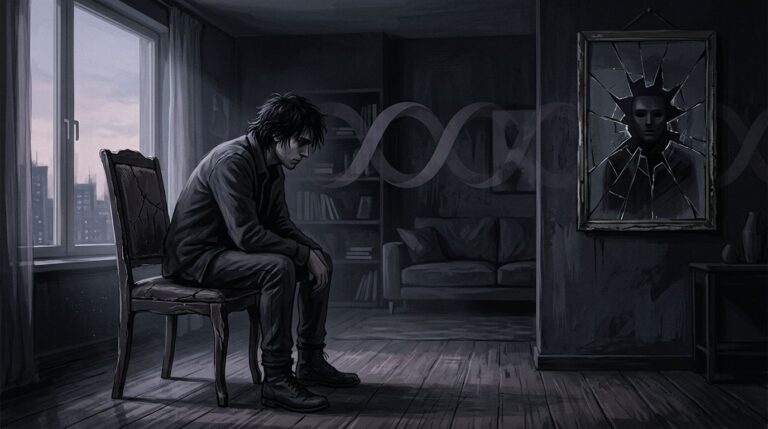
You may love your son or daughter and still feel afraid of their calls, visits, demands, or anger. That painful mix of love, grief, and fear can leave you questioning your own reality.
If you searched “narcissistic abuse adult child,” you may be trying to name a pattern that has made home, family gatherings, or your phone feel unsafe. You are allowed to take harm seriously, even when the person causing it is your child.
You don’t have to decide the future of the relationship today. Start by looking at what is happening now, what helps you feel safe, and what you need to stop carrying alone.
Key Takeaways
- You do not need a clinical diagnosis of narcissistic personality disorder to take repeated harm seriously or set a boundary.
- Look at patterns such as intimidation, manipulation, financial pressure, threats, stalking, and retaliation rather than searching for a perfect label.
- Choose structured contact, low contact, or no contact based on safety, respect, accountability, and the effect on your wellbeing.
- Keep boundaries short and focused on what you will do, especially when conversations become insulting, threatening, or coercive.
- Safety planning, financial protections, trusted support, and trauma-informed care can help you rebuild self-trust without deciding the relationship’s entire future today.
When “narcissistic abuse adult child” names your experience
“Narcissistic abuse” is a common term for harmful patterns such as manipulation, blame-shifting, humiliation, intimidation, and control. It is not a clinical diagnosis.
An adult child may have narcissistic traits, be in crisis, or misuse substances. They may struggle with a mental health condition or behave in other harmful ways. Some people search for “adult narcissistic children,” but that isn’t clinical language. Only a qualified clinician can diagnose a personality disorder such as narcissistic personality disorder. You don’t need that diagnosis to set a limit or ask for help.
Look at repeated harm and behavioral traits, not a perfect label
A hard season is not the same as a long-running pattern. Everyone can be selfish, defensive, or thoughtless under stress. The concern is repeated behavior that leaves you scared, depleted, isolated, or financially trapped. It can also create chronic stress.
You may notice insults followed by claims that you are “too sensitive,” along with a lack of empathy or emotional neglect. You may be pressured for money, blamed for their choices, or threatened with being cut off from grandchildren. Some people demand instant replies, show up uninvited, or punish you for saying no.
Harm between family members can still be relationship abuse, even when it doesn’t fit the picture people have of abuse between partners. Common patterns of narcissistic abuse can include controlling behavior, emotional manipulation, and cycles of apology followed by the same harm. This is different from being raised by a narcissistic parent; the focus here is the behavior you’re experiencing now.
Don’t make yourself the sole explanation
Parents often search for one cause. Was it genetics? Parenting? A divorce? Social media? Something you missed years ago?
Human behavior rarely has one clean explanation. Family dynamics, temperament, family experiences, relationships, stress, substance use, and genetic factors can all matter. None of those influences makes you responsible for their choices.
If behavior changed suddenly, or comes with confusion, paranoia, severe sleep changes, medication changes, or substance use, encourage professional assessment when it is safe. Those concerns may need attention, but they don’t make threats or intimidation acceptable.
Put safety ahead of a difficult conversation
You may want to explain your feelings, correct the record, or finally get them to understand. Those wishes make sense. But safety comes first when there are threats, stalking, property damage, forced entry, or escalating rage.

Treat escalation as information
Take action sooner if your adult child has threatened you, has access to weapons, monitors your devices, follows you, or appears at your home without permission. These behaviors can create chronic stress and warrant earlier safety planning. Repeated unwanted contact, impersonation, tracking, and showing up at work or home can be stalking. The Office for Victims of Crime explains stalking and points people toward support options.
If you are in immediate danger in the United States, call 911. If you live elsewhere, use your local emergency number. You don’t have to wait for a situation to become physical before asking a victim advocate or local service about safety planning.
Make a quiet safety plan
A plan can be simple. It does not need to be announced to the person who has been harming you.
- Tell one or two trusted people what has been happening, and set a code word for when you need help.
- Keep copies of important documents, medications, keys, and emergency contacts where you can reach them.
- Save screenshots, voicemails, dates, bank records, and photos only if it is safe to do so.
- Review passwords, account recovery details, location sharing, and shared home-device access.
If your adult child lives with you, their housing rights may depend on local laws and the details of the arrangement. Get local legal or housing advice before changing locks or removing belongings. A sudden confrontation can raise risk.
Choose contact based on safety, respect, accountability, and wellbeing
There is no morally superior amount of contact. Some people choose structured contact. Some need low contact. Others need no contact for a period of time or longer. Your choice, like setting boundaries, can be revisited as safety information changes.

Use four questions before deciding
These questions can help you assess toxic relationships without needing a perfect label.
| Question | What to notice |
|---|---|
| Is it safe? | Are there threats, stalking, retaliation, financial pressure, or fear after contact? |
| Is there respect? | Can they respond without insults, shouting, name-calling, or a lack of empathy? |
| Is there accountability? | Do they acknowledge harm and change behavior over time? |
| What happens to my wellbeing? | Do I feel steady afterward, or anxious and unwell for days? |
A relationship can include love and still fail these tests. You are not cruel for noticing that.
You don’t have to decide forever while you are trying to get safe.
Let behavior guide the level of contact
Structured contact might mean speaking only by text, having a 15-minute call once a week, or meeting in a public place with another person nearby. Low contact may mean delayed replies, no visits at home, and no discussion of money or family conflict.
No contact can mean blocking communication, declining visits, and asking others not to pass messages along. It is not a punishment or a diagnosis. It can be a safety response.
Searching “narcissistic abuse adult child” often happens when a parent has spent years trying harder. A new contact decision does not mean you stopped loving your child. It means you are paying attention to what the relationship is doing to you.
Set boundaries you can follow through on
Setting boundaries is not a debate about whether your adult child agrees with you. A boundary states what you’ll do when a line is crossed.
Keep it short. Long explanations give the other person more material to argue with, twist, or use against you.
Use simple words and a clear next step
These phrases can help when you feel frozen:
- “I won’t stay on the phone while I am being insulted. I am ending this call now.”
- “I won’t lend money. I won’t discuss this again today.”
- “I can talk for 15 minutes on Sunday if we can keep the conversation respectful.”
- “I hear that you are upset. I won’t change my answer.”
- “I won’t discuss my health, finances, or other family members.”
You don’t need to defend the limit after you say it. Boundary scripts for emotional abuse can help you find language that feels steady and realistic.
A boundary is what you will do, not a case you must argue.
Respond to guilt and threats with care, not surrender
You may hear, “After all I’ve been through, you owe me,” or, “If you loved me, you would help.” Guilt is often the hook. A simple response is enough: “I care about you, and I can’t do that.”
Threats of self-harm deserve attention, but they are not yours to manage alone. If someone is in immediate danger, contact emergency services. In the U.S., you can also call or text 988 for crisis support. If telling your adult child what you plan to do could raise danger, don’t announce it. Contact help quietly.
Protect money, access, and personal information
Financial exploitation can make an already painful relationship feel impossible to leave or limit. Pressure for loans, stolen mail, unauthorized withdrawals, credit-card use, forged signatures, or demands to be added to accounts all deserve attention.
Close access before discussing it
If money is being taken or controlled, contact your bank or credit-card company using a number you trust. Ask about transaction alerts, new account numbers, fraud review, and credit freezes. Change passwords and turn on two-factor authentication for email, banking, payment apps, and phone accounts.
Avoid sharing passcodes, account balances, copies of identification, or access to online portals. If you need support with bills or care, choose a professional adviser or trusted person who is not under pressure from your adult child.
Keep a factual record
Write down dates, what happened, who was present, and what was said. Store copies outside your home or in a secure account they cannot access.
For older adults and vulnerable adults, Adult Protective Services operates locally. The Department of Justice elder-abuse resource lists reporting and support options, including the National Elder Fraud Hotline at 833-372-8311. Services and reporting rules vary by state and county.
Guilt can be loud without being true
Parental guilt can turn every boundary into a courtroom. You may replay old choices, question what you should have seen, or let self blame turn a reasonable boundary into proof you failed.
Those feelings are real. They are not proof that you caused the abuse or must accept it. Repeated emotional neglect or an adult child’s lack of empathy can make reasonable needs feel selfish.
Notice what hypervigilance is doing to you
A ringing phone can make your chest tighten. A message notification can ruin an afternoon. You may scan family events for tension or stay awake rehearsing the next argument.
Chronic stress can affect sleep, concentration, appetite, and physical health. It may also make a small request feel urgent, even when you have time to think.
Pause before replying, put the phone in another room, or ask a trusted person to read a message with you. Give yourself 24 hours before making a financial decision. These coping mechanisms support nervous system regulation and help you remember that not every demand is an emergency.
Caring for them does not require giving them access
You can care about their housing, health, or future and still refuse abuse. You can hope they seek treatment while deciding that contact is harmful right now.
Some parents feel pushed into rescuing because their child has a diagnosis, a crisis, or substance-use problems. Their needs may be real. So is your need for safety. Trauma therapy may help with grief, panic, sleep problems, and substance-use-related family crises. Support can also come from crisis teams, community services, treatment providers, and other relatives when those options are appropriate.
The Upswing: recovery, boundaries, and self-trust
Grieving the loss is not a sign that you made the wrong choice. You may grieve the child you remember, the relationship you hoped would exist, family rituals that now feel different, or the sense of ease you wanted.

Make room for the loss without abandoning yourself
If you have estranged adult children, parental estrangement can feel like an open wound, even when limited contact protects you. Low contact can bring the same sadness because the relationship is still limited by what is safe.
Let yourself name both truths: “I miss my child,” and “I cannot keep living like this.” You don’t need to rush toward forgiveness, reconciliation, or a final answer. Recovery can begin with rest, honest support, and relief from chronic stress.
Rebuild trust through small promises
Self-trust is not knowing the perfect decision every time. It means listening when something feels wrong, taking yourself seriously, and repairing trust without questioning your self worth.
Start small. Keep one appointment with yourself. Eat before answering a stressful message. Decline one request without explaining for ten minutes. These moments count.
Rebuilding self-trust after emotional abuse can help you practice believing your own observations again. Sometimes relationship healing means healing your relationship with your own mind, body, and choices first.
Find support that does not pressure your decision
You deserve therapeutic support that doesn’t push you to reconcile or cut contact before you’re ready. A trauma-informed therapist, support group for parents with estranged adult children, victim advocate, spiritual leader, or trusted friend can help you think clearly without taking over your choices.
Reach out when distress is getting bigger
In the U.S., the CDC’s mental health resources include 988, where you can call or text for crisis support. If you are outside the U.S., look for a local crisis line, health service, or community organization.
A therapist familiar with family trauma and emotional abuse can provide trauma therapy. It can help with sleep problems, panic, numbness, grief, and hypervigilance after repeated conflict. You don’t have to prove a diagnosis of narcissism to deserve care.
Use specialized help when abuse or crime is involved
The National Domestic Violence Hotline’s abuse guide can help you recognize controlling and harmful behavior. Advocates may also help you think through safety planning and local referrals.
For confidential support and local victim-service referrals in the U.S., VictimConnect is available by phone or text at 855-484-2846. If stalking, financial exploitation, or threats are part of the situation, a local victim advocate can explain options without promising a legal outcome.
Frequently Asked Questions
Do I need proof that my adult child is a narcissist before setting boundaries?
No. Narcissistic abuse is not a clinical diagnosis, and you do not need a label to respond to threats, manipulation, intimidation, or repeated disrespect. Your experience of harm is enough reason to seek support and set limits.
Should I choose low contact or no contact with my adult child?
Choose the level of contact that best protects your safety, wellbeing, and ability to function. Structured contact, low contact, or no contact can each be appropriate, and you can revisit the decision as the behavior and safety information change.
What should I do if my adult child threatens me or shows up uninvited?
Treat escalation as important safety information and avoid handling it alone. Tell a trusted person, document what happens if it is safe, contact a local victim advocate, and call emergency services if you are in immediate danger.
How can I set a boundary without starting another argument?
Keep the boundary brief and state what you will do, such as ending a call when insults begin or refusing to lend money. You do not have to keep explaining or persuade your adult child to agree with your limit.
Can I love my adult child and still limit contact?
Yes. Love, grief, and concern can exist alongside the need for safety and distance. Limiting contact is not necessarily punishment; it can be a reasonable response to repeated harm.
A Safer Future Can Start Small
Your adult child’s behavior is theirs to own. Your job isn’t to find the perfect label, explain their choices, or sacrifice your wellbeing to keep the peace.
Choose the next safe step, not the final answer. A saved voicemail, a closed bank account, a shorter call, or one honest conversation with someone safe can begin to restore self-trust.