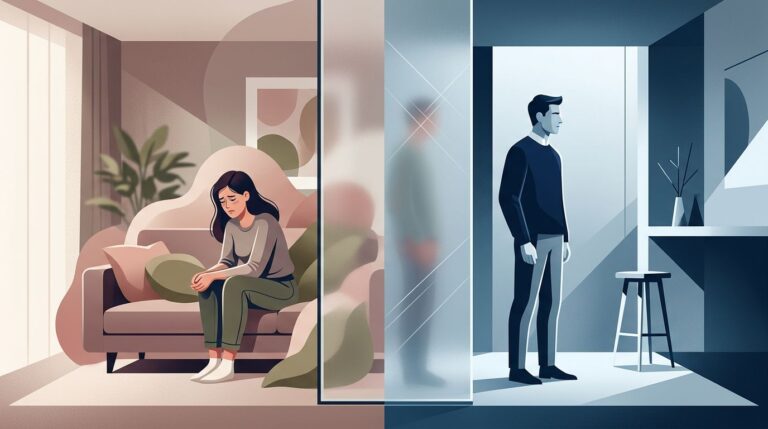
Is it love if you have to get smaller to keep the peace? That question sits at the heart of narcissistic jealousy.
At first, jealousy can look flattering. You may hear, “I only act this way because I care.” Yet over time, that “care” can turn into fear, guilt, and confusion. When jealousy starts policing your friendships, your phone, your clothes, or your tone, it may be part of emotional abuse rather than closeness.
Why narcissistic jealousy feels convincing at first
Jealousy is a human feeling. A healthy partner may feel insecure sometimes. Still, healthy love does not turn that feeling into control.
Patterns often linked with narcissism can make jealousy look romantic in the early stage. The person may want constant contact, push for quick closeness, or frame possessiveness as devotion. At first, it can feel like being chosen. Later, it can feel like being watched.
That shift matters. Love gives you room to breathe. Relationship abuse takes that room away, often one small rule at a time.
A partner might say they need your password “for transparency.” They may question your coworker, dislike your friends, or act hurt when you want time alone. If you resist, they may accuse you of hiding something. Soon, you are no longer living freely. You are managing their reactions.
Love respects your world. Control tries to replace it.
This is why jealousy can be so hard to name. It often arrives wrapped in praise, affection, and intense attention. The harm grows slowly. If you are unsure where that line is, this guide to what emotional abuse looks like can help put words to the pattern.
Repeated suspicion can also pull you into self-defense mode. You explain, reassure, and prove your innocence over and over. Meanwhile, the real issue gets buried. Their behavior becomes the center of the relationship, and your peace becomes the price of staying close.
Red flags when jealousy turns into emotional abuse
When jealousy poses as love, the pattern usually shows up in daily habits, not one dramatic moment. The control may be loud, or it may be quiet and guilt-heavy.
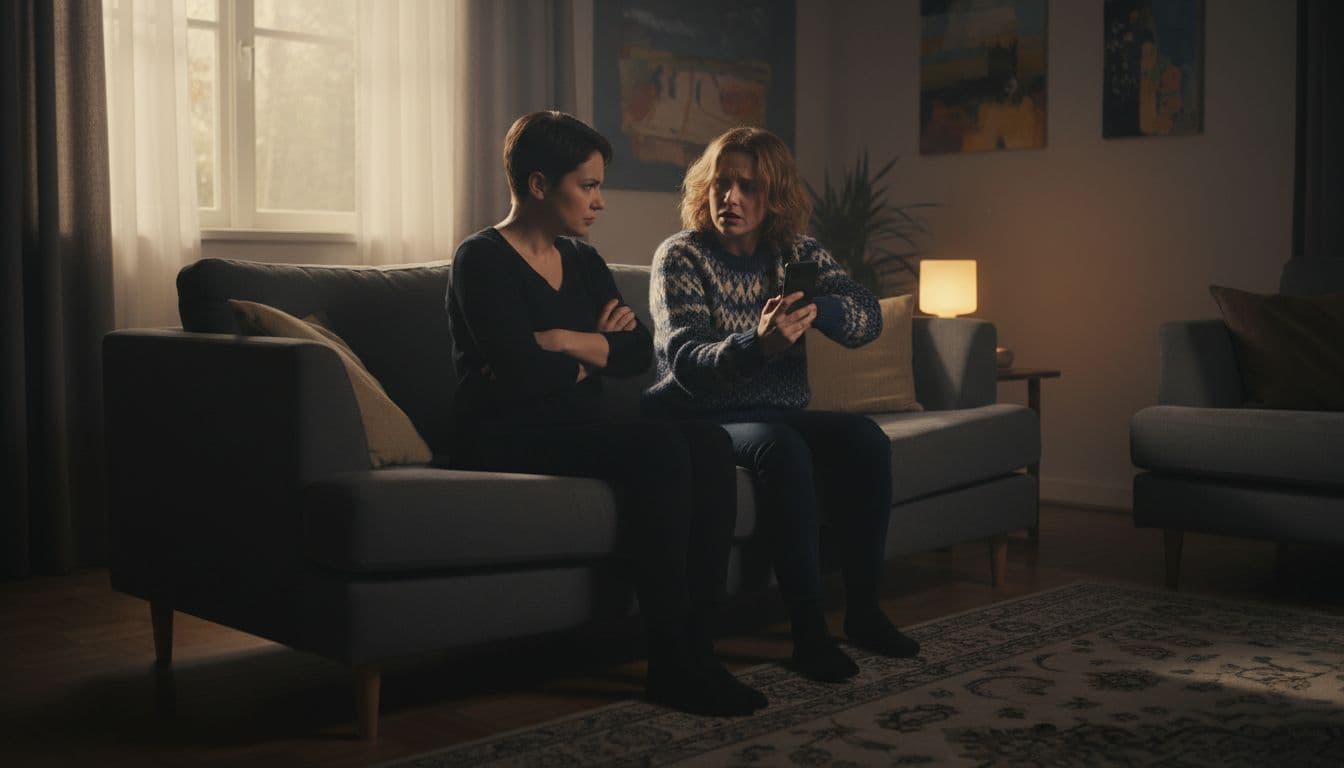
One common sign is monitoring. They want live updates, ask who liked your post, or check your phone “as a joke.” Another is isolation. They slowly turn you against people who help you think clearly. Friends become “bad influences.” Family becomes “too involved.” In other words, support gets recast as a threat.
Then there is guilt. If you set a limit, they act wounded. If you spend time away, they call you selfish. If you challenge an accusation, they may say your defensiveness proves them right.
A quick comparison helps:
| What sounds loving | What it often does |
|---|---|
| “I worry because I love you.” | Pressures you to report your whereabouts |
| “Your friends don’t respect us.” | Cuts you off from support |
| “Why are you hiding your phone?” | Normalizes monitoring |
| “If you cared, you’d reassure me.” | Makes you responsible for their control |
The pattern becomes more serious when accusations never end, even after reassurance. You may be blamed for flirting, cheating, or lying with little or no basis. Then, if you cry, protest, or shut down, your reaction gets used against you.
Some of this shows up in quieter ways too. If the behavior is subtle, shame-based, or hard to explain, these subtle covert narcissism traits in relationships may feel familiar. For a broader clinical discussion of warning signs and healing, Psychology Today’s overview of narcissistic abuse offers added context.
Protecting your emotional wellbeing and starting recovery
If this dynamic feels familiar, start with the impact on you. You do not need a diagnosis to trust your experience. If jealousy leaves you tense, isolated, or afraid to be honest, that matters.
Begin small. Write down what happened after hard conversations. Save dates, screenshots, or brief notes if it is safe to do so. Patterns are easier to see when they are on paper, because manipulation often thrives in fog.
Next, tell one safe person the plain truth. Not the softened version. Not the version that protects the other person’s image. Emotional abuse grows in secrecy, while clarity grows in safe connection.
Boundaries can also help protect your nervous system. Keep them short and clear:
- “I’m not sharing my private messages.”
- “I won’t stay in a conversation with accusations.”
- “I’m seeing my friends today.”
- “I’ll respond later, not all day.”
A boundary is not a speech. It is a limit plus an action.

If things escalate, put safety first. That may mean limiting contact, meeting in public, telling trusted people what is happening, or speaking with a trauma-informed therapist or domestic violence advocate. If you are in immediate danger, call local emergency services or a crisis line right away.
Recovery often feels uneven, but it is real. Many people find comfort in learning what healing after emotional abuse can look like and using support for emotional abuse recovery when they need grounded next steps. For added guidance, Psych Central’s recovery article offers simple ideas for healing and self-trust.
Relationship healing does not mean forcing closure. It often means believing yourself sooner, protecting your peace faster, and needing less permission to call harm by its name.
Jealousy is not proof of love. When it becomes possession, surveillance, guilt, and fear, it stops being care and starts becoming control.
If that truth stings, be gentle with yourself. Seeing the pattern is often the first real step in recovery, and it can also be the start of coming back to yourself.