If you’re barely sleeping, life can start to feel slippery. Sleep deprivation emotional abuse can make you feel anxious, foggy, reactive, and unlike yourself.
That doesn’t mean you’re broken. It often means your mind and body are running on too little rest while also carrying too much stress. When sleep loss happens inside emotional abuse or relationship abuse, the damage goes deeper because the exhaustion is tied to fear, control, and self-doubt.
When sleep disruption becomes part of control
Sleep problems are common in real life, so context matters. A snoring partner, a newborn, shift work, illness, or a rough patch can affect sleep without being abuse. The key difference is the pattern, the response, and the power dynamic.
In emotional abuse, sleep disruption can become a quiet weapon. A partner may start fights right before bed, demand hours of late-night “talks,” wake you to accuse you of things, or blast noise after you ask for rest. Some people get punished for falling asleep, told they’re selfish for being tired, or pressured to stay awake until the other person feels satisfied.
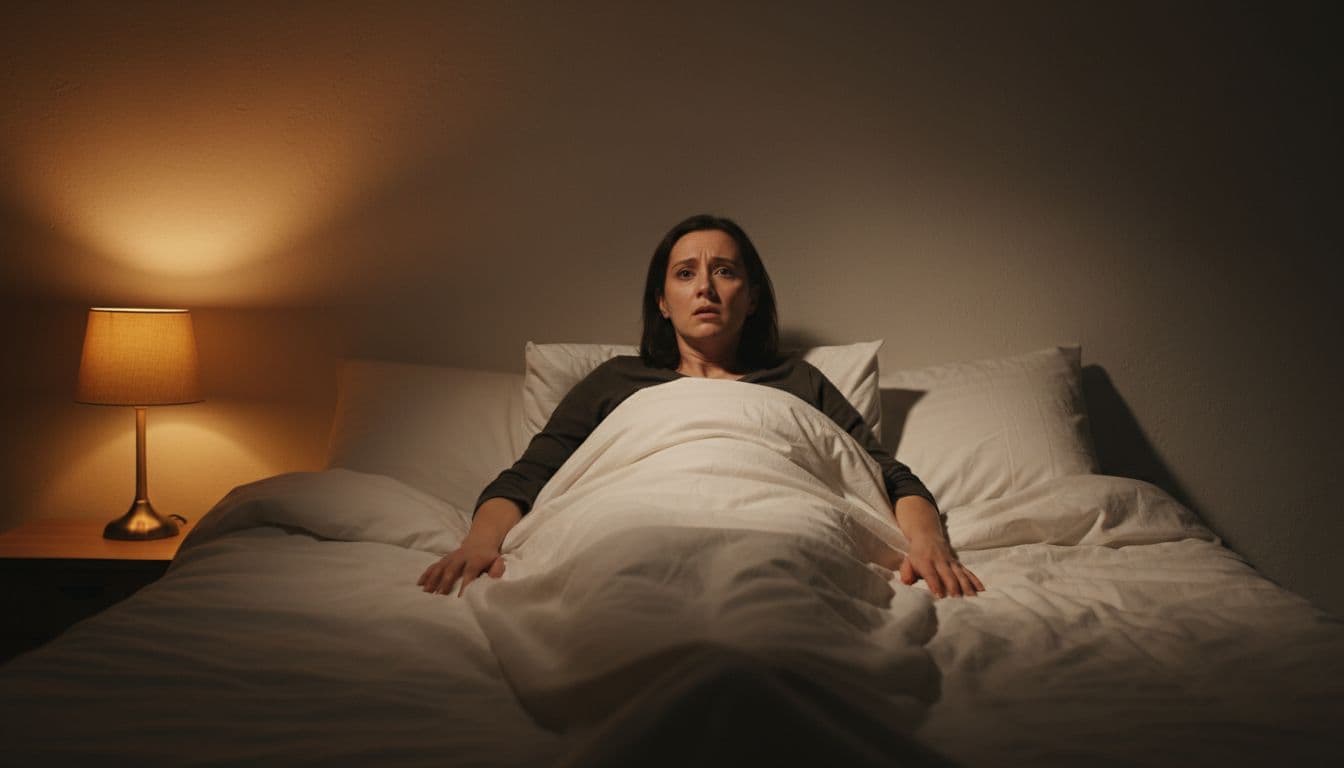
You might also notice repeated “emergencies” that happen only when you try to rest. Or maybe they keep the lights on, pull the blankets, shake the bed, or text and call through the night. Some survivors recognize these behaviors only after learning what emotional abuse looks like or reading real-world examples of abusive sleep deprivation.
This quick comparison can help:
| Situation | What it looks like | What stands out |
|---|---|---|
| Normal sleep conflict | Both people try to fix the problem | There’s care and shared effort |
| Stress-related sleep loss | A hard season affects both partners | No one uses exhaustion for control |
| Abusive sleep disruption | One person keeps the other awake, then blames them | The pattern creates confusion and dependence |
That last pattern matters. In healthy conflict, your need for sleep still counts. In abuse, your need for rest gets treated like a threat.
Why sleep loss makes you anxious, foggy, and emotionally raw
Your brain needs sleep the way a phone needs charging. Without it, everything works worse and drains faster.
Sleep helps regulate your nervous system. It lowers stress hormones, sorts memory, and gives your brain a chance to reset. When that reset doesn’t happen, your body stays stuck on alert. That state is often called nervous system dysregulation, but the feeling is simpler than the term. It feels like your alarm is always half-on.
Sleep loss doesn’t create weakness. It removes the buffer that helps you think clearly and stay steady.
As a result, anxiety gets louder. Your heart may race more easily. Small problems can feel huge. You may cry faster, snap faster, or go numb faster. That emotional instability makes sense when your system is exhausted.
Cognitive impairment shows up too. You forget simple words. You reread texts five times. Decisions feel impossible. Gaslighting lands harder because sleep-deprived brains struggle with memory and focus. If your relationship also includes patterns often discussed under narcissistic abuse, the mix of blame, inconsistency, and exhaustion can make you feel like you’re losing your mind.
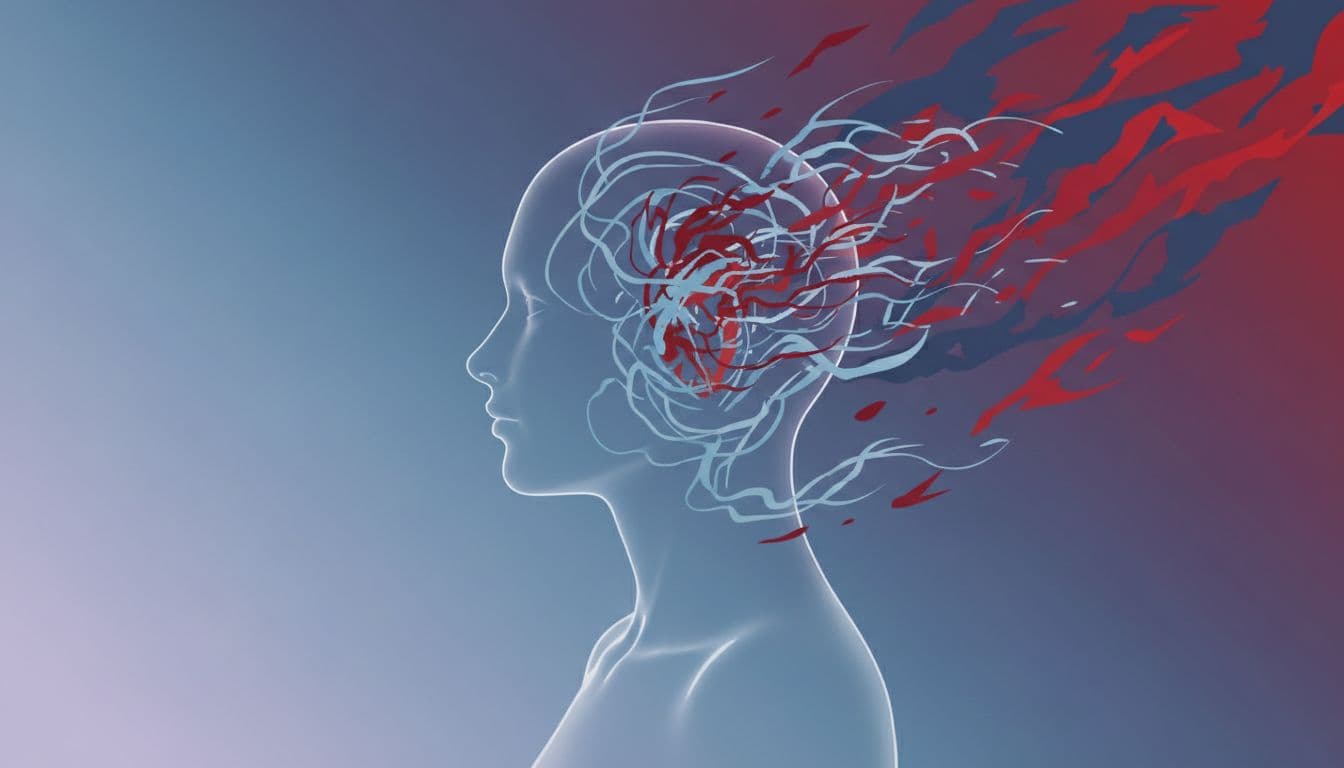
There’s also a cruel loop here. Emotional abuse keeps you tense, and tension blocks sleep. Then sleep loss makes you more anxious, more confused, and less able to trust yourself. In other words, the abuse keeps feeding itself through your body.
If you’ve been asking, “Why do I feel so unstable lately?” this may be part of the answer. You’re not failing at coping. You’re trying to function without the basic rest your brain needs.
Small steps that support safety, recovery, and better sleep
Recovery starts with believing the pattern matters. You do not need perfect proof before taking your exhaustion seriously.
If the sleep disruption feels intentional, repeated, or tied to control, support can help. In some cases, repeated forced sleep loss may even be treated seriously in legal settings, and this overview on when sleep deprivation may be considered abuse explains why. What matters most, though, is your safety and health right now.
A few gentle next steps can make a real difference:
- Keep a private note of what happens, including times, patterns, and how it affects you.
- Tell one trusted person, because secrecy often makes abuse feel more unreal.
- Reach out to a qualified therapist, domestic violence advocate, or medical professional if you’re having panic, weeks of insomnia, or trouble functioning.
- Protect sleep where you safely can, such as using a separate room, white noise, or a temporary place to rest, but only if that won’t increase danger.
Relationship healing doesn’t begin with pretending you’re fine. It begins with rest, safety, and self-trust. If you’re already out of the relationship, you may find comfort in learning the signs your brain is healing from abuse. If you’re still in it, moving carefully matters more than moving fast.

If something feels off, listen to that. Not every hard night is abuse, but ongoing sleep sabotage inside emotional abuse deserves attention.
Feeling unstable after chronic sleep loss is a human response, not a character flaw. With support, recovery can calm your nervous system, clear the fog, and make room for real relationship healing.