At first, during the love bombing and idealization phase, it can feel like a dream. You feel chosen, adored, and deeply seen. The attention is intense, the bond forms fast, and future plans get talked about as if they’re already written.
Then something shifts. Praise turns into criticism. Warmth becomes distance. You start working harder just to get back to the early version of the relationship. That pattern is often called the love bombing devaluation cycle.
This cycle can show up in emotional abuse and relationship abuse. Still, not every intense romance is abusive, and not every painful relationship comes from narcissism. The safest place to focus is the narcissistic cycle itself, how often it repeats, and what it does to your sense of self.
How love bombing devaluation begins, and how it differs from healthy affection
Healthy early love can be exciting, unlike the intense honeymoon stage of love bombing. People text a lot, feel hopeful, and want closeness. The difference is that healthy affection respects pace, boundaries, and your full life outside the relationship.
Manipulative love bombing feels more like emotional acceleration. This emotional manipulation often includes lavish gifts. It pushes instant closeness before real trust has time to grow. You may hear soulmate talk, get flooded with compliments, or feel pressure to commit quickly.
A simple comparison can help:
| Healthy early affection | Manipulative love bombing |
|---|---|
| Builds over time | Feels rushed and overwhelming |
| Respects boundaries | Treats boundaries as rejection |
| Shows curiosity about you | Uses narcissistic mirroring |
| Handles disagreement with care | Turns normal needs into drama |
The takeaway is simple: intensity alone doesn’t prove abuse. Pressure, control, and instability are what change the picture.
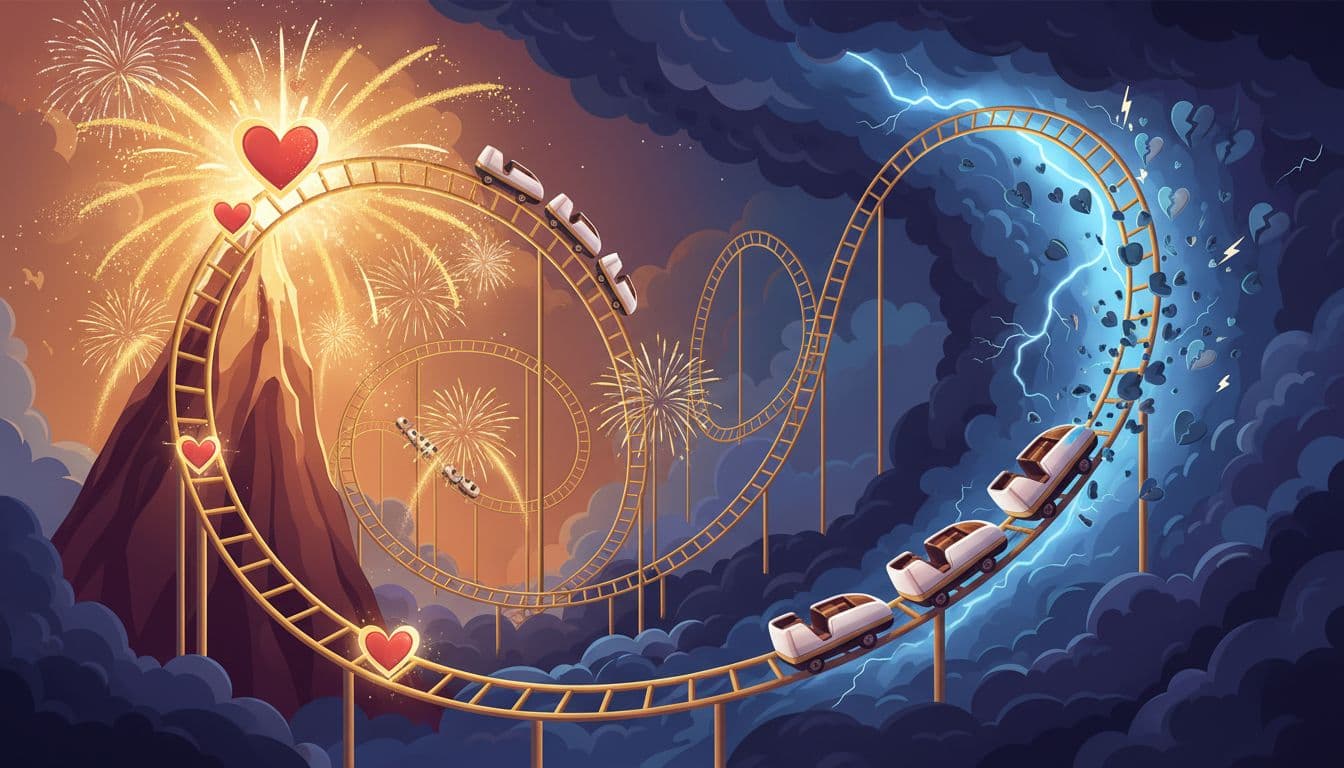
After the bond forms, devaluation often starts quietly. You may get more sarcasm, more blame, and less warmth. Your needs begin to feel “too much.” Plans get broken, then turned back on you. The same narcissist who once praised everything about you may now pick apart your tone, your body, your friends, or your memory.
For example, a narcissist might say, “I’ve never felt this close to anyone,” in week two. A month later, they call you needy for asking why they disappeared all weekend. This devaluation is often the precursor to a discard phase.
This pattern is part of the understanding love bombing and devaluation stages many survivors describe. If you want a broader outside overview, Simply Psychology’s explanation of the idealize, devalue, discard cycle lays out the common stages in plain language.
Why the cycle is so confusing, and why leaving can feel impossible
The cycle works because the narcissist mixes hope with harm. Kindness returns just often enough, via intermittent reinforcement, to secure narcissistic supply and keep you attached. It’s a bit like a slot machine, you don’t win every time, so you keep pulling the lever.
As a result, many people don’t feel clear, they feel ashamed. They think, “Maybe I’m overreacting,” or, “If I fix my part, things will calm down.” Over time, that confusion can turn into a trauma bond, where your body links relief with the very narcissist causing pain.
If you’re always trying to earn back basic kindness, that’s not safety. That’s instability.
Here are common warning signs that the pattern has moved into devaluation:
- Affection spikes after harm: They become sweet right after an outburst, insult, or silent treatment, a form of hoovering to pull the partner back in.
- You walk on eggshells: You monitor your words, tone, and facial expressions to avoid setting them off.
- The rules keep changing: What pleased them last week now makes them angry, often with blame shifting onto you.
- Your feelings get dismissed: You hear “you’re too sensitive” or “that never happened” often, classic gaslighting.
- You feel smaller over time: Your confidence, voice, and social world start to shrink.
- You chase the beginning: You keep hoping the “real them” will come back.
Not every rough relationship fits this pattern. Stress, poor conflict skills, and old wounds can make people act badly. Narcissistic abuse becomes clearer in a toxic relationship when it runs on fear, contempt, control, and repeated invalidation. If you need help naming that line, this guide on what emotional abuse looks like daily can help. If traits linked to narcissism are part of what you’re sorting through, these common signs of narcissistic emotional abuse may also bring clarity, without forcing a diagnosis.
What to do if you feel trapped in the cycle
If you’re bonded to someone who hurts you, that doesn’t mean you’re weak. It often means your nervous system adapted to unpredictability. That response is human.
Start small. Small steps are still real trauma recovery.
- Track patterns, not promises. Write down what happened, how often, and how you felt after. This helps when your memory gets clouded by apologies or affection.
- Tell one safe person the truth. Choose someone steady. Ask for one concrete thing, such as a check-in text or a place to stay if needed.
- Practice setting boundaries. Try, “I’m not staying in this conversation if I’m being insulted.” Keep it brief. Don’t turn it into a debate.
- Get informed support. A trauma-informed mental health professional, abuse advocate, or support group can help you make sense of the cycle, navigate co-dependency, and plan next steps safely.

If leaving feels risky, put safety first. Save important documents if you can. Think about money, transportation, passwords, and who knows what’s happening. If you’re in immediate danger, contact local emergency services or a domestic violence hotline in your area. The narcissist may react with a narcissistic injury or launch a smear campaign, so for long-term safety, no contact with the narcissist is a key strategy.
Another hard truth helps many people: missing the good moments does not cancel the harm. You can love someone and still see that the relationship is damaging you. Both things can be true at once.
For some readers, relationship healing starts before the relationship ends. It begins when you stop arguing with your own pain, start trusting what your body is telling you, and take one step toward steadiness.
Conclusion
The love bombing devaluation cycle thrives on confusion, hope, and self-doubt. Identifying narcissistic traits within it doesn’t solve everything, but it gives you solid ground. Recovery often starts with one honest sentence, one safe person, or one firm boundary. Real relationship healing from this emotional abuse doesn’t require you to shrink, beg, or prove your pain.