Have you ever sat next to your partner and still felt completely alone? That hollow feeling can be hard to explain. You may not be fighting all the time. Nothing obvious may be happening. Still, something feels missing.
That missing piece is often emotional withholding. It can leave you confused, needy, ashamed, or strangely numb. Over time, it can make connection feel like reaching into empty air. The good news is that this pattern can be named, understood, and addressed with care.
What emotional withholding looks like, and what it does not
Emotional withholding happens when emotional closeness is consistently held back. That might look like silence after conflict, flat replies when you share pain, or affection that disappears when you need reassurance most.
Sometimes it sounds like, “I don’t want to talk about this,” every single time. Sometimes it looks quieter. Your partner stays polite, but never really lets you in. You bring up hurt, and the room goes cold.
That said, emotional withholding is not the same as needing healthy space. It also is not the same as having a more reserved communication style. Some people need time before they talk. Some show care through actions more than words. The key difference is whether there is still openness, repair, and respect.
Here’s a simple way to compare them:
| Pattern | What it feels like | What usually happens next |
|---|---|---|
| Healthy space | Temporary pause, clear need for rest | Reconnection later |
| Different communication style | Less verbal, but still caring and responsive | Effort to understand each other |
| Emotional withholding | Distance, vagueness, emotional shutout | Repeated disconnection and self-doubt |
If you’re always the one reaching, naming, soothing, and repairing, that imbalance matters.
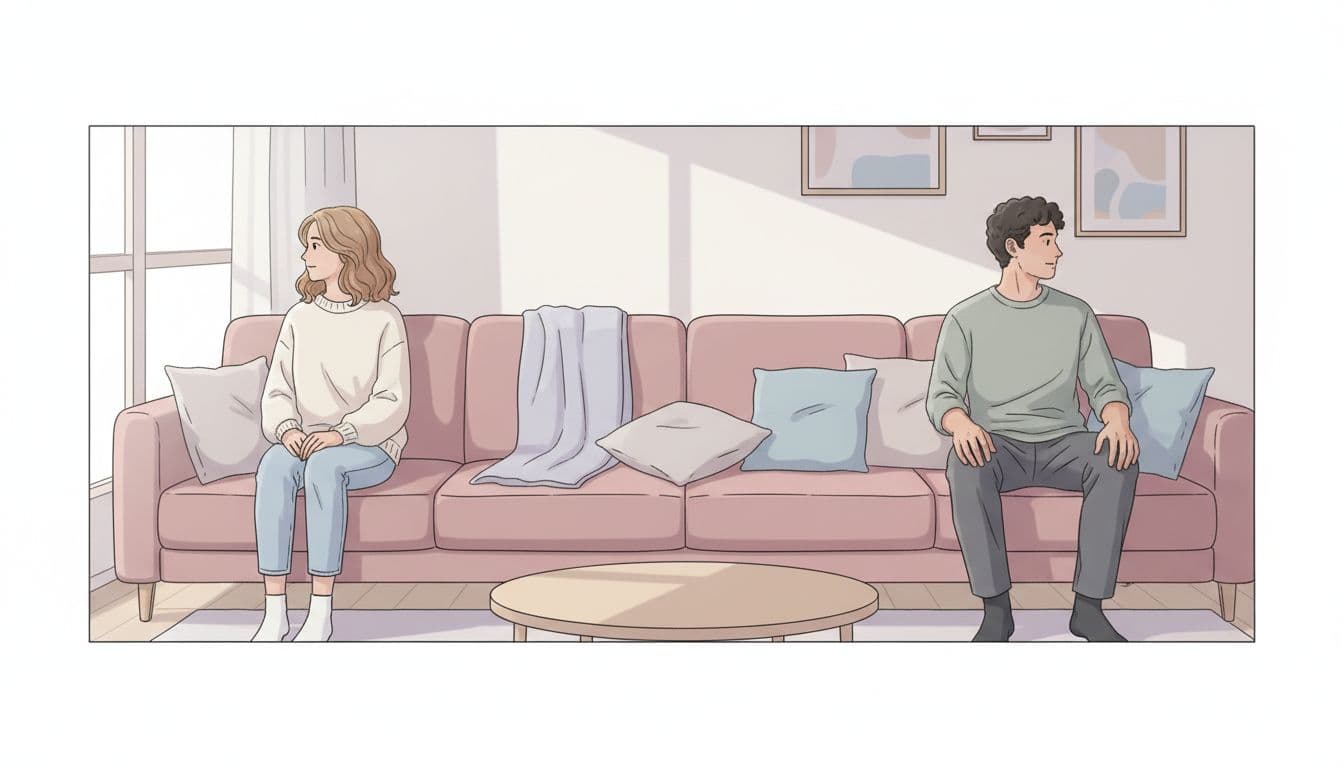
Emotional withholding can exist on its own, but sometimes it overlaps with neglect, control, or deeper harm. If you’re unsure what you’re seeing, this guide on distinguishing neglect from emotional abuse can help clarify the pattern.
A simple example: you say, “I felt hurt when you ignored me all weekend.” A partner who needs space might say, “I was overwhelmed. I need an hour, then let’s talk.” A withholding partner might shrug, change the subject, or punish you with more silence.
That difference matters because one response protects the relationship, and the other slowly starves it.
Why emotional withholding can make you feel empty
Human beings need emotional response. Not perfect response, just enough to feel seen. When that response keeps failing to come, your system starts to adapt.
At first, you may try harder. You explain more. You soften your tone. You ask less. Then, after enough missed bids for connection, something inside may go quiet. This is where numbness often begins.
When closeness keeps getting withheld, emptiness can become a form of protection.
This is one reason emotional withholding hurts so much. The pain is not only loneliness. It is the slow training of your mind and body to expect nothing.
In some relationships, this pattern can become part of emotional abuse or broader relationship abuse, especially when silence is used to punish, control, confuse, or gain power. That does not mean every emotionally distant person is abusive. Still, when your needs are mocked, denied, or used against you, the impact gets heavier.
This can also overlap with patterns tied to narcissism, such as chronic lack of empathy, blame-shifting, or warmth that only returns when you stop asking for care. If that sounds familiar, reading about narcissistic abuse patterns may help put language to what feels so hard to name.
You may notice signs like these:
- You feel guilty for having normal needs
- You rehearse simple conversations in your head
- You go blank during conflict
- You feel lonely even during “good” times
- You stop asking, because asking feels pointless
If that last one hits home, your numbness is not random. It may be a response to chronic emotional hunger. Many people call this shutdown. Living Numb’s guide to emotional shutdown signs explains why that happens so often in invalidating relationships.
How to respond without abandoning yourself
First, try to stop making your pain smaller. If you feel empty in the relationship, that feeling deserves attention. You do not need a dramatic story to justify emotional pain.
Next, ask yourself a few honest questions:
- Do they reconnect after space, or do they leave me hanging?
- Can I bring up hurt without being punished?
- Do I feel safer after talking, or more confused?
- Am I adjusting to their style, or erasing myself?
Those questions can separate mismatch from harm.
Then focus on small, grounded responses. Big emotional speeches often fail when someone is already withholding. Short, clear communication works better.
Try language like this:
- Name the pattern: “I feel shut out when you go silent for days.”
- Ask for something specific: “If you need space, please tell me when we’ll reconnect.”
- State a limit: “I can pause this talk, but I can’t keep guessing what’s wrong.”
- Protect your energy: “I’m willing to talk when we can both engage.”

It also helps to write down what happens. Not to build a case, but to build clarity. What did you ask for? How did they respond? Did repair happen? Patterns are easier to see on paper.
Meanwhile, support yourself outside the relationship. Talk to a trusted friend. Journal after hard moments. Move your body. Eat regularly. Rest when you can. These things sound simple, but they support recovery because numbness often softens when your nervous system feels safer.
If the relationship is basically safe and both people want change, couples counseling may support relationship healing. If the disconnection is persistent, or if there are signs of emotional abuse, individual therapy can help you sort out what is yours, what is not, and what you need next.
Conclusion
Emotional withholding can make love feel like a locked room. You keep knocking, but nothing opens. If you feel numb and empty, that does not mean you are needy or broken. It may mean your heart has been living on too little for too long. Healing starts with naming the pattern, trusting your experience, and choosing responses that do not require you to disappear.