Getting back out there after abuse can feel like walking on a floor that still moves. You may want closeness and fear it at the same time.
That push-pull is common after emotional abuse and relationship abuse. Your nervous system may notice danger before your mind has words for it. Dating after narcissistic abuse gets safer when you stop chasing certainty and start watching patterns.
The goal isn’t to become impossible to hurt. The goal is a healing journey toward self-trust, pace, and safety that lets you notice what fits and what doesn’t.
Key Takeaways
- Assess true readiness first: Dating after narcissistic abuse works best when it feels like a choice, not pressure—check if interactions pull you toward self-trust or away into numbness and obsession.
- Spot quiet red flags in patterns: Watch for fast pacing, boundary testing, blame-shifting, or hot-cold attention that erodes your voice, rather than isolated moments.
- Seek green flags of safety: Look for respect for your pace, mutual accountability in conflict, and a felt sense of calm where your boundaries are honored without pushback.
- Trust your body and patterns over promises: Healing is non-linear; prioritize emotional safety, professional support if needed, and a pace that rebuilds self-trust one boundary at a time.
Know your readiness before you date again
When readiness is real, it often looks less like excitement and more like choice. You can pause. You can leave. You can say, “I need more time,” and survive the discomfort with self-esteem intact.

Some people date again in a few months. Others need much longer. There isn’t a correct timeline because recovery and relationship healing aren’t linear. A hard week doesn’t cancel your progress. For many survivors, what progress looks like post-abuse is quieter than expected, better sleep, less second-guessing, fewer panic spirals, or a growing ability to name what you feel.
You also don’t have to date the moment you feel lonely, even if driven by a fear of abandonment. Loneliness is human, but it isn’t always a sign you’re ready for closeness. Rest is a vital form of self-care in recovery too. A useful check is simple: do dates pull you toward yourself or away from yourself, especially considering your attachment style? If you leave every interaction numb, ashamed, or obsessed with being chosen, your system may need more rest. Annie Wright’s trauma therapist’s guide to trusting again explains why steady care can feel unfamiliar after chronic stress.
You do not owe fast trust to prove you’re healed.
If dating brings up panic, dissociation, or safety concerns tied to Complex PTSD, prioritize professional help. This article is educational, and it can’t replace mental health care, domestic violence support, or professional advice from qualified therapists.
Red flags in early dating are often quiet
Red flags in early dating are usually small tests, not movie-level scenes. A person may seem charming, attentive, or even wounded. The issue is not whether they fit a label tied to narcissistic personality disorder. The issue is whether the connection starts to cost you your voice.
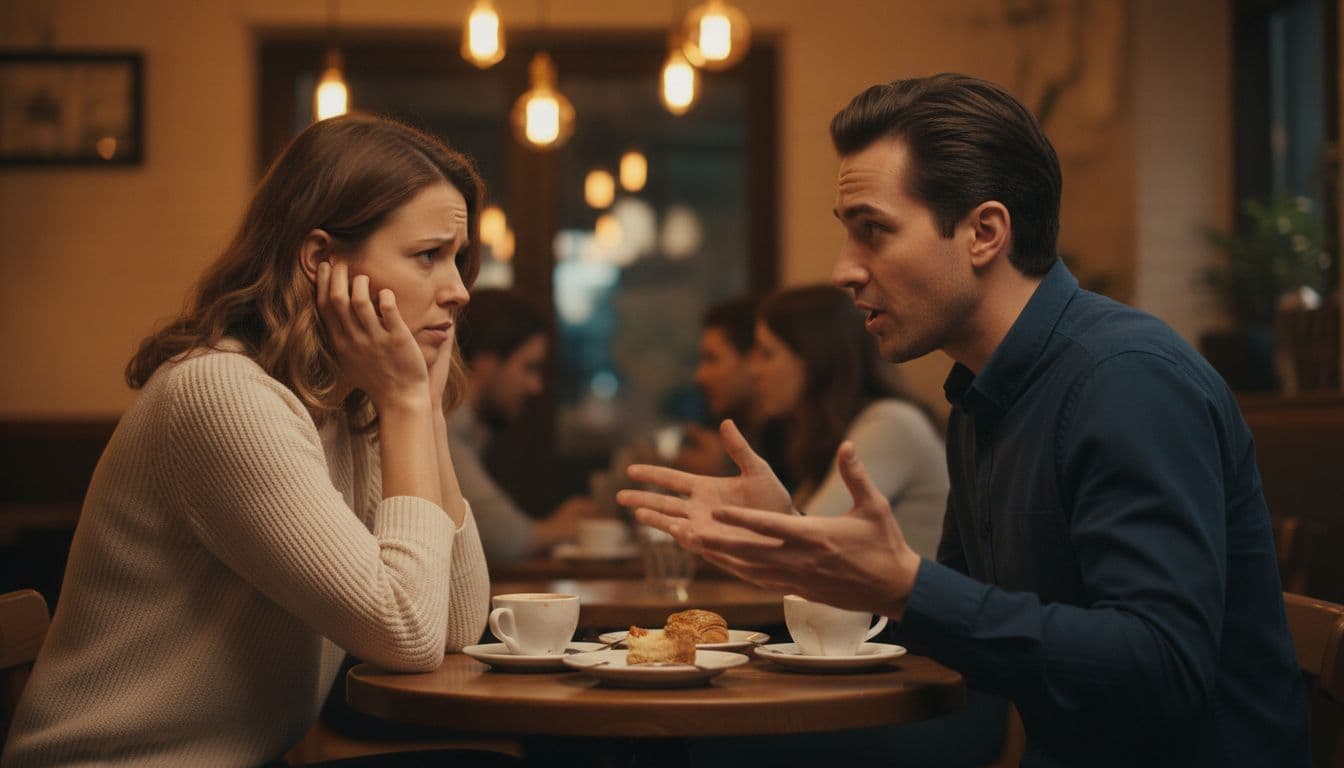
Watch the pace first. Love bombing often arrives dressed as romance. This intensity and pressure can look like pushing exclusivity by date two, flooding you with texts, or acting hurt when you want a night to think. Love bombing differs from real romance because genuine connections build gradually with mutual respect for boundaries, while love bombing overwhelms to create quick dependency. After past emotional abuse, it can feel like chemistry. This guide on trauma bond vs real love can help when your nervous system, caught in hypervigilance, confuses relief with love.
This quick comparison helps put vague discomfort into words.
| Early sign | What it can look like |
|---|---|
| Fast pacing | Talks about forever early, demands constant contact, pushes sex or exclusivity before trust exists |
| Boundary testing | Ignores small “no”s, keeps asking after you’ve declined, shows up uninvited, reads your hesitation as a challenge |
| Blame without repair | Every ex is “crazy,” every conflict is someone else’s fault, apologies are thin or missing |
| Hot-cold attention | Big praise when you comply, distance or irritation when you disagree |
| Idealization and devaluation | Puts you on a pedestal with excessive flattery early on (idealization), then withdraws affection or criticizes when expectations aren’t met (devaluation) |
| Gaslighting | Denies events you remember clearly or questions your perceptions, a quiet form of emotional manipulation |
| Subtle disrespect | Talks over you, mocks your preferences, or treats consent as something to negotiate |
After narcissistic abuse, people pleasing tendencies or the fawn response can make it harder to spot these signs, as you might override discomfort to keep the peace. A single awkward moment can be human. A pattern of red flags is different. Pay close attention to how the person responds when you slow things down. Respectful people adjust. Controlling people often escalate, sulk, or twist your boundary into proof that you don’t care.
Consent matters early, not only once sex enters the picture. A healthy date respects your time, privacy, body, and pace. If someone treats your “no” like a puzzle to solve, believe that information. For a therapist’s view of the early warning signs, Annie Wright’s piece on how to spot red flags before you get hurt again is a useful companion.
Frequently Asked Questions
How do I know if I’m ready to date after narcissistic abuse?
Readiness shows as quiet choice, not excitement—you can pause, say no, or walk away without crumbling self-esteem. If dates leave you numb, ashamed, or hyper-focused on approval, more rest or therapy might help first. Loneliness doesn’t mean readiness; check if connections draw you toward yourself.
What are the most common red flags in early dating?
Subtle signs like love bombing (fast exclusivity or constant contact), boundary testing (ignoring small nos), blame without repair, or gaslighting that questions your reality. Patterns matter more than one-off awkwardness—respectful people adjust to your pace, while red flags often escalate. After abuse, your fawn response might dull discomfort, so track how your body feels.
What green flags signal emotional safety?
A slow burn that respects space, asks before escalating intimacy, and stays present in minor conflicts without punishment. You feel alert but not trapped, with clear thinking and no emotional flashbacks afterward. These build trust gradually, making honesty safe within healthy boundaries.
What if dating triggers old fears or panic?
Pause and prioritize safety—some triggers are normal in recovery, but dissociation or Complex PTSD ties need professional help like therapy, not pushing through. Lean on support systems and remember healing isn’t linear; a hard date doesn’t erase progress. Protect your pace over proving you’re ‘healed.’
How long does it take to feel safe dating again?
There’s no set timeline—some date in months, others years, as recovery from emotional abuse is non-linear with ups and downs. Progress looks like better sleep, less second-guessing, and naming feelings clearly. Focus on self-trust and patterns, not rushing to fill loneliness.
Green flags that make room for safety
Green flags, defined by healthy boundaries, can feel almost boring at first, and that makes sense. After chaos, calm can seem suspicious. Still, healthy interest leaves room for breath.

A good early connection respects your pace with a slow burn that honors healthy boundaries. They don’t punish you for needing space. They ask before getting more physically intimate, and they accept “not yet” the first time. They remember small preferences, but they don’t use personal details to fast-track closeness. When conflict comes up, even something minor, they stay present and accountable.
Emotional safety also shows up in your body. You may feel alert on a date, but not trapped. You can think in full sentences without cognitive disorientation. You don’t spend the next day rewriting everything you said or battling emotional flashbacks. Over time, rebuilding self-trust after control supports rebuilding trust and helps you notice these steadier cues that foster vulnerability.
Talkspace’s overview of dating after narcissistic abuse points to a simple truth: readiness often looks like stronger healthy boundaries, not fear-free dating. Green flags support rebuilding trust and emotional safety because they make honesty safe. Your “no” does not become an argument. Your “yes” does not get rushed. Your limits don’t invite punishment.
That doesn’t mean every kind person is your person. It means the relationship gives you enough room to find out, building vulnerability within healthy boundaries.
Dating after narcissistic abuse is not a test you can fail. It is one place where recovery becomes practical, one text, one boundary, one pause at a time, far from the patterns of toxic relationships or insecure attachment.
Some dates will wake up old fear. Some good matches will still be wrong for you. Healing stays non-linear, but your clarity can grow anyway. Protect your safety, trust patterns over promises, and lean on a strong support system in your healing journey. Recovery involves reclaiming self-esteem and self-trust without falling back into people pleasing. Real relationship healing never requires you to abandon yourself.