A shattered phone, a hole in the wall, or a ruined family photo can leave you feeling unsafe long after the noise stops. Property destruction abuse means destroying property to frighten, punish, silence, or control someone. It is not “just anger.”
You don’t have to wait for someone to hurt your body before taking your fear seriously. Domestic abuse can involve threats to your home, belongings, or daily choices, even without bodily injury. If someone’s behavior makes those parts of your life feel unsafe, that is a warning signal worth listening to.
Key Takeaways
- Property destruction can be abuse when it is used to frighten, punish, silence, or control someone. The damaged object is often a visible threat meant to change how you act in your own home.
- Breaking belongings, punching walls, damaging shared property, or destroying meaningful items can be part of a broader domestic abuse pattern, even without physical injury or a diagnosis.
- Whether property damage is treated as domestic violence, criminal damage, or grounds for a protective order depends on state law and the specific facts. A temporary restraining order does not automatically become a final order.
- If you feel unsafe, you do not have to confront the person or wait for the behavior to escalate. A local domestic abuse advocate can help you consider safety planning, legal options, housing, finances, children, pets, and digital safety.
- Your fear is important information, not an overreaction to property. Rebuilding self-trust begins with recognizing the intimidation and taking steps that support your safety.
Why Property Destruction Abuse Feels So Frightening
When an abuser destroys something, the object is rarely the true target. The broken dish, smashed laptop, damaged door, or torn clothing sends a message: “Look what I can do when I’m angry.” The object becomes a tool of power and control, making fear visible and warning you about what may happen next.
That message can change how you move through your own home. You may start watching your tone, hiding things you care about, avoiding certain topics, or staying silent to prevent another outburst. Over time, you may censor your words and choices because control no longer feels like yours. This is how property destruction becomes part of power and control.
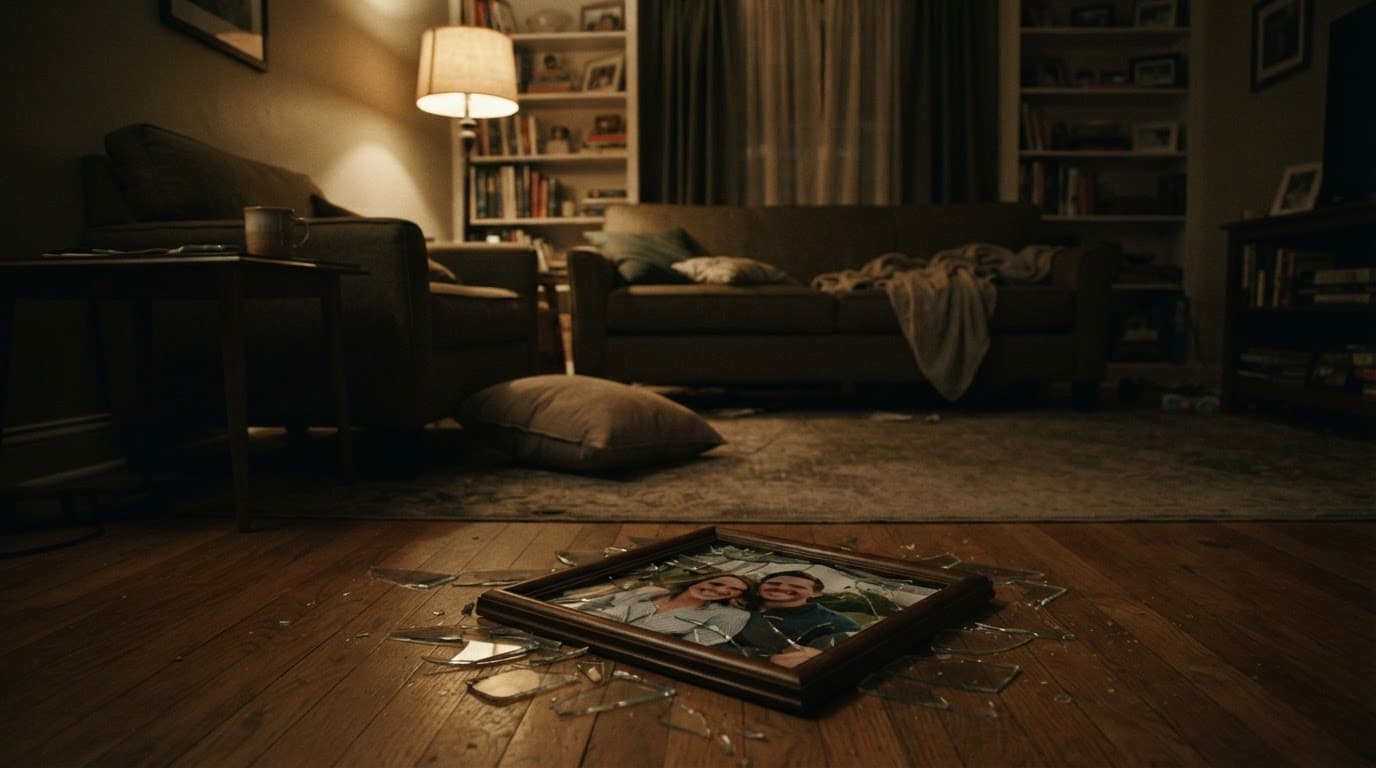
A person may break objects that matter to you because they know exactly what those objects mean, and may be trying to make you censor yourself. They might destroy gifts, documents, medication, a child’s belongings, a favorite piece of clothing, or something connected to a loved one. Sometimes they target shared property, such as a car, a door, or furniture, then claim it doesn’t count because it belongs to them too.
A broken object can be a threat made visible. Your fear is not an overreaction to “stuff.”
This behavior can happen once, or it can become a pattern that grows over time. Repeated intimidation can be psychological abuse, even without a diagnosis. Pay attention if the damage becomes more frequent, more targeted, more expensive, or closer to your body. Punching a wall beside you is different from punching a wall in an empty room, so context matters.
This behavior can be part of a broader domestic abuse pattern. It may coexist with threats, intimidation, isolation, gaslighting, physical abuse, sexual abuse, financial abuse, or financial control. In intimate partner violence, it can occur alongside other domestic violence behaviors, but that doesn’t prove every other form is present. You don’t need to prove the whole domestic abuse pattern before deciding something feels wrong.
When Property Damage Can Be Domestic Violence
Property destruction may be treated as domestic violence, but the legal definition depends on where you live. Some states classify it as domestic abuse, while others address property damage through criminal laws, protective-order proceedings, or both. The label may be vandalism, malicious destruction, criminal mischief, or criminal damage to property, depending on state law.
For example, the New Hampshire court’s restraining order guidance lists destruction of property among conduct that may support a protective order. Other states use different language and procedures, and state-specific treatment of domestic abuse may depend on the relationship and surrounding conduct.
Property damage, such as breaking household items or punching walls, can have legal consequences when it involves intentional damage used to intimidate a partner or family member. Ownership alone does not always prevent a case. In some places, damage to marital property or a shared car, home, or belonging may still be covered by state law. Whether the item was property of another, and whether the act occurred without consent, can depend on ownership rules and other facts.
What the State Usually Must Prove
The exact rules vary, but a criminal damage to property case often turns on a few basic questions:
- Was the item property of another under the state’s law, including any rule covering shared or marital property?
- Was the conduct intentional damage, knowing, reckless, or another mental state covered by the statute?
- Did it occur without consent or permission?
- Does the relationship, together with surrounding behavior, qualify for domestic abuse treatment under state law?
Property value, method used, prior conduct, and risk of harm can affect a potential charge for criminal damage to property. These factors may determine whether intentional damage brings misdemeanor or felony charges and other criminal penalties. Relationship context can affect how domestic disputes are handled; a criminal case and a civil protective-order case are separate, and either may proceed without the other.
If someone has been charged with a property offense, they need advice from a qualified local defense attorney. If you were harmed by the destruction, an advocate, legal aid office, or local victim-services program can help you understand the options in your area. This is general information, not legal advice.
A Temporary Restraining Order Is Not Automatically Final
A temporary restraining order, sometimes called a temporary protective order, may be issued before a full hearing. The process often starts with a petition describing what happened and why you fear further harm.
Photos of the damage, repair estimates, messages, witness names, and a written timeline can be useful if gathering them does not increase your risk. They are not prerequisites for seeking help. Share clear facts about what was destroyed, what was said or done, and how it affected your safety.
A final restraining order is a longer-term court order issued after a hearing under state law. A temporary order does not automatically become a final restraining order; a judge decides whether longer-term relief is appropriate. The Texas protective order fact sheet is one example of how court processes and available protections can differ by location.
Protective orders can include no-contact terms, stay-away rules, limits on further destruction, and other relief. In domestic abuse cases, these orders may address contact with a survivor’s home and other places they need to be. The National Institute of Justice review of civil protective orders discusses this type of protection.
Safety Steps That Don’t Require a Confrontation
You are not responsible for managing another person’s rage. You don’t have to confront them, explain your fear perfectly, or announce that you’re making a plan.
Leaving domestic abuse can be a high-risk time. If you’re thinking about leaving, or if the destruction is getting worse, it may help to talk with a local domestic abuse advocate first.
A domestic violence advocate can help you think through options based on your situation, including children, pets, housing, finances, and digital safety. They may also connect you with victim support or the national domestic violence hotline in the U.S.
If it feels safe, you might choose one or more of these steps:
- If it feels safe, tell one trusted person what’s happening and agree on a simple way to check in.
- If it feels safe, keep essential items within reach, including identification, medication, keys, money, and important phone numbers.
- If your phone, cloud account, or notes are private enough, photograph damaged property and record dates or threats.
- If an outburst begins, consider a safe place away from weapons, hard surfaces, and areas where you could be trapped.
- If it feels safe, ask a local advocate about protective options, including a restraining order, emergency shelter, housing help, or a safety plan that fits your life.
If you call law enforcement, describe the destruction and the fear it caused. If it feels safe, ask for an incident number. If you’re not ready to report, that doesn’t mean what happened was acceptable or unimportant.
Rebuilding Self-Trust After Intimidation
After someone destroys your belongings, your body may stay on alert. You might replay the incident, feel ashamed for being scared, or wonder if you made too much of it. These reactions are common after domestic abuse, including emotional abuse.
Narcissism is not required for this behavior to cause harm. You don’t need a diagnosis or a perfect label to take intimidation seriously. The important question is simpler: do you feel afraid, controlled, or smaller because of what this person does?

Recovery can begin with small acts of believing yourself again. Replacing an item, speaking honestly with a safe person, or admitting that the damage scared you can matter. None of these steps erase what happened, but they can help you come back to your own reality.
If contact with the person must continue, boundaries do not have to be a dramatic conversation. They can be a private plan for what you will do when behavior becomes unsafe. Setting healthy boundaries after emotional abuse can feel frightening at first, especially when domestic abuse has taught you that self-protection will bring punishment.
Relationship healing is not about minimizing the damage or forcing forgiveness. It is about building a life where fear no longer gets the final say.
Frequently Asked Questions
Is property destruction a form of domestic abuse?
It can be, especially when someone destroys property to intimidate, punish, silence, or control you. Property destruction may also occur alongside threats, isolation, emotional abuse, or physical abuse, but you do not need to prove every part of a larger pattern before taking it seriously.
Can someone be charged for damaging shared or marital property?
That depends on state law, ownership rules, intent, consent, and the surrounding circumstances. In some places, damaging shared property, a marital home, or a jointly owned car may still have legal consequences.
Does a temporary restraining order automatically become permanent?
No. A temporary restraining order usually applies until a scheduled hearing or another deadline, while a judge decides whether longer-term protection is appropriate. Procedures and available protections vary by location.
What should I do if someone is destroying property and I feel afraid?
You do not have to confront the person or announce that you are making a safety plan. If it is safe, contact a trusted person or local domestic abuse advocate, document damage and threats, and ask about options such as emergency shelter, legal aid, or a protective order.
Do I need proof or a diagnosis before seeking help?
No. Photos, messages, repair estimates, and witness information may be useful if gathering them does not increase your risk, but they are not prerequisites for asking for support. You also do not need a diagnosis or a perfect label to take intimidation seriously.
Your Fear Is Information
Property destruction is not harmless because the damage landed on an object instead of your body. It can still be domestic abuse and emotional abuse, communicating intimidation and control while leaving real fear behind.
You deserve to take that fear seriously. Recovery starts with recognizing a power and control pattern. Trusting your safety judgment helps fear inform you without directing your life.