
When your phone lights up and your stomach drops, it is a sign that you are walking on eggshells even when your partner is miles away. A relationship can be long distance and still feel crowded by control.
Long distance emotional abuse often shows up through texts, calls, video chats, and social media. The mixed signals can make you question yourself, especially when warm messages are followed by blame or silence. If you have been feeling confused, drained, or guilty all the time, the patterns below can help you name what you are living with.
Key Takeaways
- Emotional abuse can occur regardless of physical proximity, and distance does not make the situation less serious.
- Control often manifests as unhealthy relationship patterns, such as constant monitoring, guilt over response times, jealousy, and pressure for passwords or location sharing.
- Love bombing followed by withdrawal, the silent treatment, and breakup threats can keep you off balance.
- Small steps matter, including documenting incidents, telling a trusted person, and setting clear digital boundaries.
- Recovery and relationship healing often begin with clarity, support, and learning to trust your own reactions again.
Why distance doesn’t make emotional abuse less serious
Emotional abuse is fundamentally about establishing a power dynamic, not about physical mileage. Someone does not need to stand in your kitchen to scare you, shrink you, or keep you off balance.
In a long-distance relationship, that control often travels through your phone. It can manifest as coercive control through 30 missed calls, demands for instant replies, or accusations made simply because you were offline. When your partner demands proof of your whereabouts through screenshots, selfies, or constant live location sharing, these are clear red flags that indicate a loss of personal autonomy.
Sometimes this behavior hides behind a mask of concern. A phrase like “I worry about you” quickly morphs into a demand to share your passwords, or “I miss you” becomes pressure to stay on video call so they can monitor your home. While these interactions happen digitally, the harm is just as damaging as verbal abuse occurring in person. What matters is not the wording alone, but whether you still feel free to say no.
This kind of relationship abuse is real, even without physical proximity. WomensLaw’s overview of emotional and psychological abuse describes control, humiliation, and isolation as abusive patterns, and those same patterns can easily occur through your apps and devices.
Some people who use these tactics also show traits often discussed alongside narcissism, such as low empathy and a strong need for dominance. Regardless of the label, it is vital to take the harm seriously.
Abuse can happen through a screen. If the pattern leaves you anxious, cornered, or afraid, the distance does not make it smaller.
Common signs in a long-distance relationship
The details vary, but the goal is often the same. Keep you focused on their moods and demands instead of your own life.
Contact starts to feel like surveillance
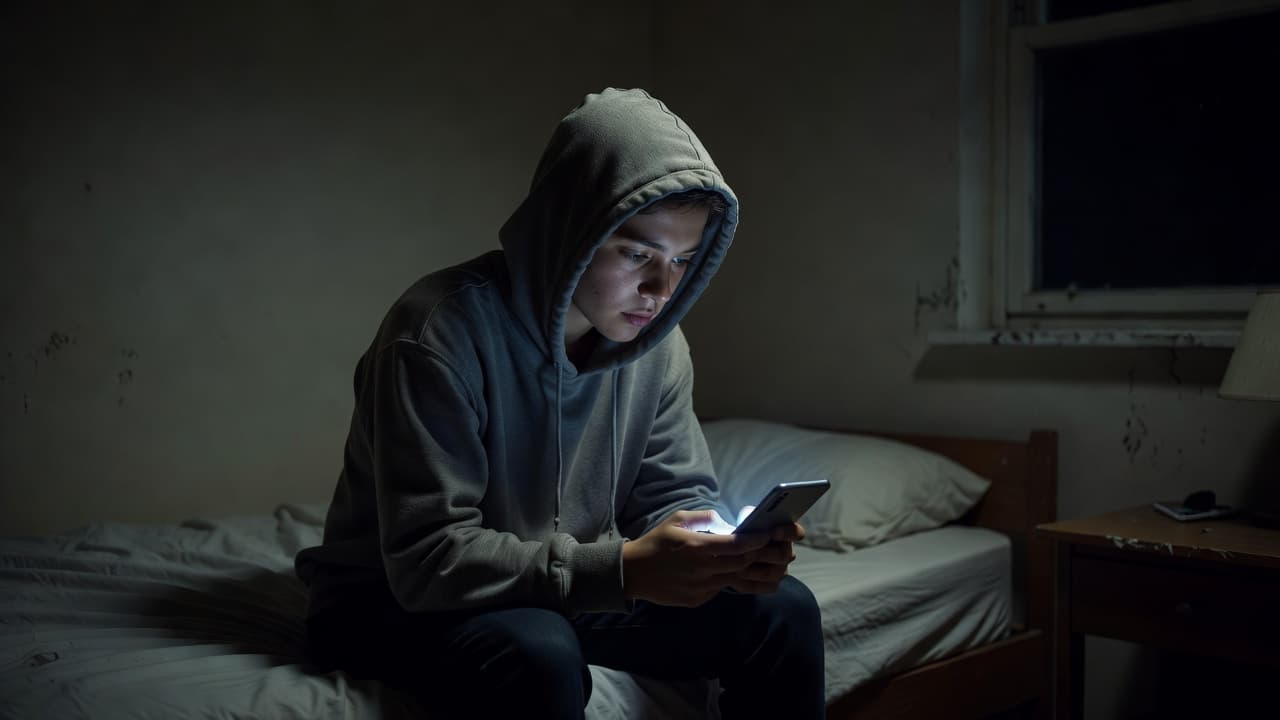
Healthy contact feels connecting. Long-distance emotional abuse often feels like being watched, transforming into technology-facilitated monitoring that leaves you feeling exposed.
Maybe your partner tracks your last seen status, gets angry if you don’t answer during work, or guilt-trips you for falling asleep before a late call. Maybe they say you must be hiding something if you mute notifications. This form of intimate partner surveillance can show up as surprise video calls, demands for screenshots, or pressure to keep location sharing on all the time.
If they want your passwords, ask for access to your social accounts, or insist on checking who liked your posts, recognize this digital abuse as a form of controlling behavior. Mutual sharing is different from access demanded through fear, pressure, or punishment.
Time zones can even become a weapon. You stay up late to avoid conflict. You apologize for sleeping. Your day starts orbiting their need for proof.
Affection turns into a reward
At first, the attention may feel intense and flattering. Constant texting, big promises, and talk about forever can feel like closeness. Then the switch flips.
A partner who love-bombs you may later pull away, effectively trapping you in a narcissistic abuse cycle to keep you chasing the early version of them. They may ignore your messages for hours or days, give you the silent treatment after a small disagreement, or threaten a breakup whenever you set a limit. By using intermittent reinforcement, they keep you off balance until you are hurt enough to panic, at which point they come back sweet, apologetic, and full of future plans.
That push-pull can create confusion fast. You are not only missing them. You are trying to get back to a version of the relationship that felt safe.
Manipulation through texting, calls, and social media can make this worse. They might post vague messages to make you jealous, block and unblock you, or flood your phone after punishing you with silence. The platform changes, but the pattern stays the same.
Your world gets smaller
Isolation does not always look dramatic. Sometimes it sounds like, “Why do you need your friends when you have me?” or “If you loved me, you would spend Friday night on the phone.”
Jealousy may show up as constant criticism of your clothes, your coworkers, or your family. This leads to isolation from friends and family, as they may sulk when you make plans, flood your phone while you are out, or accuse you of cheating anytime you do not respond fast enough. Beyond emotional control, some partners may attempt sexual coercion through forced video acts or use financial abuse by demanding your bank login information under the guise of shared future planning.
Social media can become part of the pressure too. They may demand you post them more, remove certain people, or explain every like and follow. If you are unsure what a healthy baseline looks like, Women’s Aid’s guide to unhealthy relationship patterns can help put words to it. A caring partner may miss you. They should not make your world smaller.
What to do if these signs sound familiar
You do not need a perfect case file to trust your own stress response. If contact leaves you tense most days, it is important to acknowledge the mental health effects this dynamic can have on your well-being. Lingering feelings of depression and anxiety are common when you are navigating a difficult relationship.
A few actions can help you regain clarity:
- Save screenshots, call logs, voicemails, and messages. Write down dates and what happened after major incidents.
- Tell one trusted person what has been going on. Isolation grows in silence.
- Review your digital privacy. Change passwords, turn off location sharing, and check which apps have access to your accounts.
- Practice setting healthy boundaries, then watch their response over time.
If you are able, talk with a therapist who understands trauma and emotional abuse. A domestic violence hotline or local support service can also help you think through your safety, even if there has been no physical violence.
Boundaries do not have to be dramatic. You might say, “I won’t stay on calls during work,” “I am not sharing my password,” or “If you insult me, I am ending the conversation.” Their reaction provides you with valuable information. Respect looks different from retaliation.
If they mock the boundary, punish you for it, or turn it into your fault, that is a clear indicator of controlling behavior. If you are trying to make sense of the numb aftermath, Living Numb’s piece on healing from emotional trauma can help you see where recovery often begins.
Recovery starts with clarity and self-trust
Confusion is common after long periods of manipulation. You may second-guess every memory or wonder if you are overreacting because the abuse happened through a screen. This is often the result of gaslighting, which makes you doubt your own perception of reality. You are not overreacting to a pattern that kept hurting you.
Sometimes people stay because they hope for relationship healing. However, real change requires accountability, respect for boundaries, and steady behavior over time from an abusive partner. Sweet words after a threat do not constitute repair, and neither does a burst of affection following the silent treatment. Leaving a toxic relationship is rarely easy, but it is a necessary step when the behavior does not change.
You may also find yourself researching personality disorders late at night, trying to explain the charm, jealousy, and lack of empathy you experienced. The label matters less than the impact on your life. What matters is whether you feel safer, freer, and more like yourself.
Healing often looks small at first. It might be better sleep, less dread when your phone buzzes, or finally reaching out to friends again. As you process the psychological manipulation you endured and break free from intense emotional dependence, you will begin to notice your thoughts becoming clearer. By identifying the red flags that were once overlooked and addressing the long-term mental health effects of the situation, you can reclaim your peace. If you want a gentle picture of progress, these emotional abuse recovery milestones can make relationship healing feel more real and less abstract.
Frequently Asked Questions
Does long-distance abuse really count as abuse if there is no physical violence?
Yes, emotional abuse is defined by the patterns of control, intimidation, and manipulation rather than physical proximity. If a partner uses technology to monitor, isolate, or demean you, the psychological impact is just as severe as in-person abuse.
How can I tell if my partner is being ‘protective’ or controlling?
Healthy concern is based on mutual respect, while controlling behavior is rooted in a demand for power. If you feel pressure to share passwords, constant location updates, or feel punished for not responding immediately, these are red flags that your autonomy is being restricted.
What should I do if I think my partner is gaslighting me over texts or calls?
Documentation is essential when you feel your reality is being distorted. Save screenshots of messages and log incidents with dates to help you maintain clarity and perspective, and consider sharing these experiences with a trusted friend or therapist who can provide an objective view.
Can a long-distance relationship recover from these patterns?
Lasting change requires the abusive partner to take full, sustained accountability for their actions and respect your boundaries without retaliation. If you find that setting boundaries leads to increased manipulation or hostility, it is often a sign that the relationship is not safe for your emotional well-being.
Conclusion
If your relationship leaves you feeling monitored, guilty, small, or scared, pay attention to those warning signs. Long distance emotional abuse is just as serious and damaging as any other form of mistreatment, and it does not require physical proximity to cause lasting harm.
You do not have to prove your pain to deserve support. Your experiences are valid, whether you are dealing with an abusive partner who uses gaslighting to distort your reality, or someone who relies on verbal abuse to tear you down. The patterns of psychological manipulation and the intentional isolation from friends and family are serious issues that deserve your attention. Confusion is common when warmth and harm keep getting tangled together, but you are not alone.
Start with one truthful step, even if it is only saving messages or telling one safe person about what you are going through. Your feelings are valid, and your recovery can begin long before you have every answer.


