When a partner values your phone more than your trust, it is a sign that something is deeply wrong within your dating relationship. A partner who constantly checks your messages, demands your passwords, monitors your location, or questions every delay can quickly make you doubt your own reality. You may wonder if this behavior is born out of love, anxiety, or perhaps your own mistakes. It is not. When monitoring strips away your privacy, autonomy, or peace of mind, it crosses into emotional abuse.
These behaviors are often key indicators of coercive control, a pattern of behavior used to dominate and isolate a partner. As digital life becomes more integrated into our romantic lives, these tactics are increasingly recognized as forms of technology-facilitated abuse. This can feel confusing because smartphones are an essential part of daily life. While some couples share locations or passcodes by mutual and enthusiastic choice, the difference between a healthy partnership and an abusive one is consent, not access. Establishing this boundary is where clarity starts.
Key Takeaways
- Consent is the boundary: Healthy digital sharing is built on mutual, ongoing, and reversible consent, whereas abuse is defined by demands, fear, and the inability to opt out without consequences.
- Control disguised as concern: Abusive partners often use accusations—like “if you have nothing to hide, you have nothing to fear”—to erode your privacy and justify their need for dominance.
- The impact of surveillance: Constant digital monitoring creates a state of hypervigilance, damaging your nervous system and forcing you to edit your life and relationships to avoid conflict.
- Identify the pattern: Phone checking, location tracking, and demands for passwords are common indicators of coercive control and stalking behavior, which are recognized forms of emotional abuse.
Why repeated phone checks and tracking are abusive
A healthy relationship does not require constant proof of innocence. Trust may wobble sometimes, but it does not need to live inside your notifications, call log, or camera roll.
Phone checking becomes abusive when it is repeated, pressured, and tied to fear. That can look like forced password sharing, demands to show your screen, read-receipt monitoring, surprise inspections, or being told to keep your real-time location active at all times. Device surveillance can also include checking your battery use, demanding screenshots, or accusing you of lying if your GPS monitoring data shows a lag.
If saying no leads to anger, punishment, sulking, threats, or hours of accusations, this is not openness. It is control.
If you cannot keep basic privacy without a fight, it is not transparency. It is coercion.
Many people minimize this because it is only a phone. But your device holds your conversations, your notes, your searches, your support system, and often your work. Demanding access to it can mean demanding access to your inner life.
The same is true with location tracking abuse. A shared map may sound harmless until it becomes a leash. If your partner wants to know where you are every minute, questions every stop, or uses nonconsensual tracking to corner you in arguments, that is not care. It is surveillance inside a relationship.
You do not have to wait for things to get worse to name it. Repeated monitoring, possessiveness, and isolation are common warning signs of controlling relationships and stalking behavior. This is a form of relationship abuse, and it is a significant aspect of domestic violence, even when no one explicitly calls it that.
Consent is the line between sharing and surveillance
Some couples choose to share passwords for shared accounts or enable live location features. Sometimes it is purely practical. Maybe one person is traveling, there is a specific safety concern, or the couple needs to coordinate school pickups and arrival times. Sharing access to digital tools is not automatically abusive.
What matters is whether both people freely choose it, both can say no, and both can change their minds without facing negative consequences. Consent is not a one time trade. It is an ongoing, mutual, and reversible agreement that respects digital boundaries.
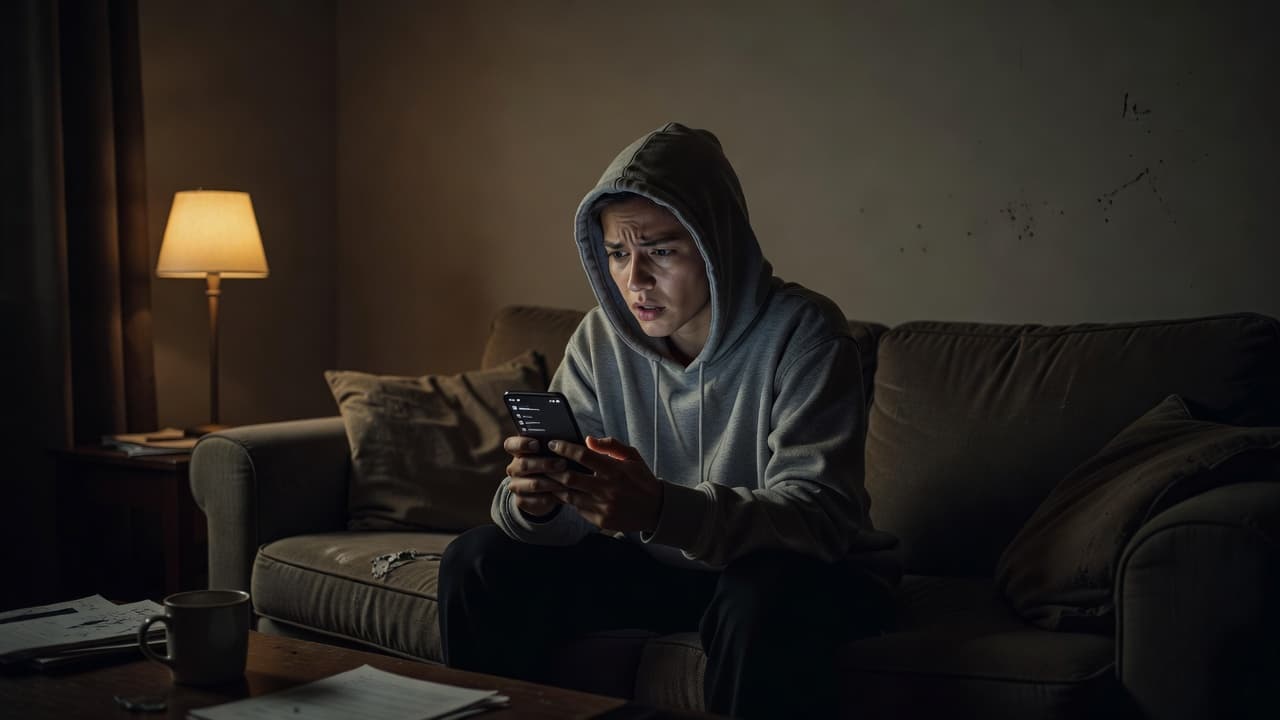
This quick comparison helps make the difference clearer:
| Healthy transparency | Abusive monitoring |
|---|---|
| Both people agree freely | One person demands access to shared accounts |
| Either person can opt out | Saying no to location-sharing apps starts a fight |
| Access has a clear purpose | Access is constant and shifting |
| Privacy still exists | Private space is treated as suspicious |
| Trust grows through conversation | Control grows through fear |
The takeaway is simple. Mutual choice makes sharing feel safe. Pressure makes it feel like you are being watched.
A helpful question is this: can you adjust your location settings, change a password, or leave a message unread without paying for it later? If the answer is no, the problem is not the technology. The problem is the power dynamic.
This matters because abusive behavior often hides inside normal technology. A map pin or a read receipt looks ordinary, but if these tools are being used to monitor, interrogate, or trap you, the harm is real. Establishing clear digital boundaries is essential for any healthy relationship, and you should never feel forced to sacrifice your privacy to prove your loyalty.
When accusations become the excuse for control
A common script sounds like this: “If you have nothing to hide, why do you care?” It sounds neat, but it effectively flips privacy into guilt.
Privacy is not proof of betrayal. It is a fundamental part of being a person. By demanding access to your digital life, an abusive partner strips away the privacy guarantees that every individual deserves in a healthy relationship.
Abusive partners often use accusations to justify more access. They may claim they were made to check your phone because you took too long to reply. They may insist that your discomfort proves dishonesty. They may say they need your passwords because of their insecurity, their past, or your tone. In more extreme cases, this control escalates to the installation of stalkerware or hidden spyware, tools designed to bypass your consent and monitor your location, messages, and calls without your knowledge. The reason for the surveillance changes, but the result stays the same. Your boundaries disappear.
This is where things get especially confusing. You might hand over your phone to calm the situation. You might explain every text, every errand, and every missed call. And still, it is not enough. That is because the goal often is not reassurance. The goal is compliance.
If that sounds familiar, you are not imagining it. Many people describe partner monitoring as controlling because it creates a constant feeling of being judged and watched. This discussion about partners monitoring phones captures that discomfort in plain language.
In some relationships, this pattern sits alongside traits people often associate with narcissism: entitlement, lack of empathy, and the belief that your private world belongs to them. You do not need a diagnosis to notice the pattern. If your partner keeps moving the goalposts, using shame, or making you prove your innocence over and over, something harmful is happening.
If you find yourself writing long messages to defend every small choice, it may help to read about why you should stop overexplaining your boundaries. Over-explaining often keeps you trapped in their frame.
What this kind of surveillance does to your nervous system
Living under constant electronic surveillance changes how you move through the day. You start editing yourself before they ever say a word.
Maybe you stop texting friends because you will have to explain it later. Maybe you rush home so your location looks right. Maybe you keep your phone face-up to avoid accusations. Maybe your stomach drops every time you hear a notification.
That is not drama. That is your body learning that privacy leads to conflict.
Over time, phone monitoring and tracking can create hypervigilance, shame, confusion, and self-doubt. Some people feel anxious all the time. Others go numb. That numb feeling is common in emotional abuse, especially when you feel like a victim of cyberstalking within your own relationship. When your mind is overloaded by the pressure of being watched, it may shut things down to get through the day.
This is one reason recovery can feel strange. After the pressure lifts, many people realize how much energy went into staying one step ahead. They were not overreacting. They were adapting.
It can also damage your sense of identity. If every private thought, plan, or friendship feels vulnerable to inspection, you may stop asking what you want. You start asking what will keep the peace. That is a survival response, not a personal failure.
Real relationship healing cannot grow in a space where one person is always under review. Healing needs consent, accountability, repair, and respect for boundaries. Constant monitoring kills that ground.
Safer next steps if this is happening to you
You do not have to make a huge decision today. You also do not have to just leave to take your own experience seriously. Prioritizing your digital safety is a vital step in regaining your autonomy. If the behavior escalates, focus on your physical and emotional security first.
- Write down what happens. Keep notes about password demands, tracking arguments, surprise phone checks, threats, or times you felt afraid. Save screenshots if it is safe to do so.
- Tell one trusted person what has been happening. Pick someone who will not minimize your experience or pressure you into actions you are not ready for.
- Use short boundary language if that feels safe. You might say, “I am not sharing that,” “I need privacy,” or “I am not discussing my messages.” If you need help with wording, these boundary scripts for emotional abuse can help.
- Pay attention to escalation. If saying no leads to stalking, intimidation, showing up unexpectedly, or fear for your safety, it may be time to start creating an emotional abuse safety plan with the help of professional domestic violence resources.
A few extra cautions matter here. Changing passwords, turning off location sharing, or confronting device surveillance can increase risk in some situations. Before making changes, check your belongings for hidden tracking devices or AirTags that may be monitoring your movements. If you think your partner may retaliate, plan quietly and use a device they cannot access, and take steps to protect your address after abuse so mail and location records don’t reveal where you are.
In severe cases, you may need to consult with an attorney or local authorities about obtaining a protective order to address persistent harassment and nonconsensual tracking. Reach out to a therapist, a domestic violence advocate, or a national support line if you need help thinking these next steps through.
You are allowed to protect your privacy. You are allowed to want space that is not monitored. You are allowed to call controlling behavior what it is, even if it happens through a screen instead of in public.
Frequently Asked Questions
Is it normal for couples to share their locations or passwords?
Sharing access can be a healthy, practical choice if it is done with enthusiastic consent and for a clear purpose. It becomes abusive only when one person loses the ability to revoke that access, or when the data is used to monitor, interrogate, or control the other person.
Why does my partner insist they need my passwords for “trust”?
Demanding access to your inner life is about establishing power and compliance, not building trust. In a healthy relationship, trust is grown through conversation and reliability, not through “proof” found in your messages, photos, or GPS history.
What should I do if I feel unsafe changing my digital boundaries?
If you fear your partner may retaliate for you changing a password or disabling tracking, prioritize your safety first. Consult with a domestic violence professional, document the behavior, and consider using a secondary device that your partner cannot access to plan your next steps.
Can digital abuse lead to real-world harm?
Yes, technology-facilitated abuse is a form of domestic violence that can escalate quickly. Monitoring, stalking, and controlling your digital world are often precursors to or components of broader physical and emotional control tactics.
Conclusion
A partner does not need to hit you for technology to become a tool of abuse. Repeated phone checks, forced access, and the constant monitoring of your real-time location can be forms of emotional abuse when they systematically strip away your privacy, autonomy, and peace.
If you have been told this behavior is normal, loving, or your fault, please hold onto this truth: consent is the line. Fear is the warning sign. These patterns are serious indicators of domestic violence, and your need for private space is not a betrayal. You deserve to feel safe in your relationship, and your right to digital privacy is a fundamental boundary that should never be ignored.