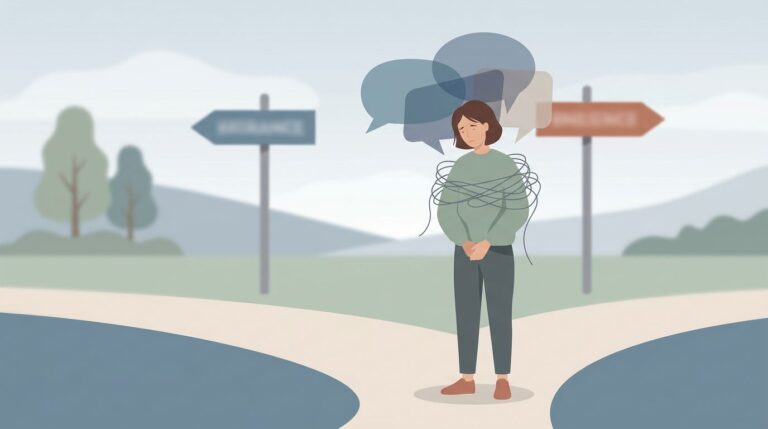
Do the rules keep changing, but only for you? Many people sense something is wrong long before they can name it.
Coercive control signs often look small in isolation. Over time, though, they can form an invisible cage made of fear, pressure, monitoring, and self-doubt.
Learning the pattern can bring clarity, and clarity helps you decide what support you need next.
This article is for information only and isn’t a substitute for legal, medical, or mental health advice.
What coercive control is, and what it isn’t
Coercive control is a pattern of domination inside a relationship. Instead of one bad argument, it involves repeated efforts to limit your freedom, shape your choices, and keep you off balance. It often sits alongside emotional abuse and other forms of relationship abuse.
Healthy conflict looks different. A caring partner may get defensive, say the wrong thing, or need space. Still, they don’t build a system where you feel watched, punished, or afraid to be honest. The key difference is pattern, power, and impact.
It can be confusing because controlling behavior is often mixed with affection, apologies, or promises to change. The kind moments can feel real. They still don’t erase a pattern built on fear.
A quick comparison can help:
| Healthy disagreement | Coercive control |
|---|---|
| Both people can speak freely | One person controls the tone, topic, or outcome |
| Privacy is respected | Phones, money, time, or movement get monitored |
| Mistakes lead to repair | Mistakes get used for guilt, threats, or punishment |
| Boundaries are discussed | Boundaries trigger anger, mockery, or retaliation |
The bottom line is simple. Coercive control is not about poor communication alone. It’s about reducing your room to think, choose, rest, connect, and say no. If you constantly feel smaller, that feeling matters.
If love feels like asking permission to exist, pay attention to that.
If you want a broader frame, these recognizing emotional abuse patterns can help put language to what you’re seeing.
Coercive control signs that show up over time
Most coercive control signs don’t arrive all at once. They build slowly, like a room getting darker one dimmer click at a time.
Your support system gets pushed away
A controlling partner may complain about your friends, pick fights before family events, or say other people are a bad influence. Soon, staying connected feels exhausting. You may start canceling plans because it’s easier than dealing with the fallout.
Sometimes the message is direct, and sometimes it’s wrapped in concern. “I just want more time with you” can sound sweet, until it becomes a rule. Some partners also try to turn others against you or insist no one else understands the relationship. Isolation makes control easier because fewer people can reflect reality back to you.
Privacy starts to disappear
Monitoring is a major red flag. That can mean demands for passwords, checking your location, timing your errands, reading your messages, or questioning every call. What starts as “transparency” can become surveillance.

Control can also show up through money, work, transport, or daily routines. You may need approval to spend, go out, or make simple plans. As a result, your life starts revolving around their reactions, not your own needs.
Fear becomes part of daily life
Many survivors say the strongest sign was not one comment, but the constant tension underneath everything. You rehearse texts. You scan their mood. You soften your voice. You stop bringing up normal needs because even small honesty feels risky.
This is where gaslighting, blame-shifting, constant scorekeeping, and intimidation often enter. They may deny what happened, say you’re too sensitive, or act loving after being cruel. Punishment can be subtle, like the silent treatment or withheld affection, or more direct, like threats tied to money, housing, children, pets, or your reputation.
Some people notice overlap with patterns often discussed under narcissism, such as public charm and private contempt, but you don’t need to prove narcissism to take harm seriously. You only need to notice the repeated loss of safety.
If that pattern sounds familiar, this guide on narcissistic abuse patterns may add more context.
What to do next, gently and safely
If these signs feel familiar, try to move with care, not panic. Clarity helps, but safety comes first.
One steady step is to document patterns. Write down dates, quotes, threats, financial restrictions, monitoring, or times you were isolated. If it feels safe, save screenshots or emails. This guide to documenting coercive control evidence can help you keep records in a clear way.
Next, tell one trusted person. Pick someone who listens without pushing, doubting, or rushing you. Even one calm witness can reduce the fog and support your recovery. If family minimizes what is happening, choose someone else. You do not need a jury.
Also think about digital safety. Check shared devices, location sharing, cloud backups, and who can access your accounts. If you feel unsafe, contact a local domestic abuse hotline, advocacy center, or emergency service in your area.
Don’t confront a controlling person with labels if they tend to escalate. For some people, naming the abuse out loud can increase risk. Quiet planning is often safer than dramatic announcements.

Recovery can begin before anything looks resolved. It might start with one written note, one safer password, one honest conversation, or one boundary. Later, relationship healing often means rebuilding trust in your own perception, not forcing yourself to move on faster than your body can.
If you’re also wondering how this overlaps with abuse laws, this article on emotional abuse as domestic violence is a useful starting point.
When coercive control signs are present, the harm usually comes from the pattern, not a single moment. If your world has been getting smaller, your fear has been getting bigger, or your voice no longer feels like yours, take that seriously.
Start small, stay safe, and reach for support that believes you. Recovery is possible, and it often begins with the moment you stop explaining away what your body already knows.