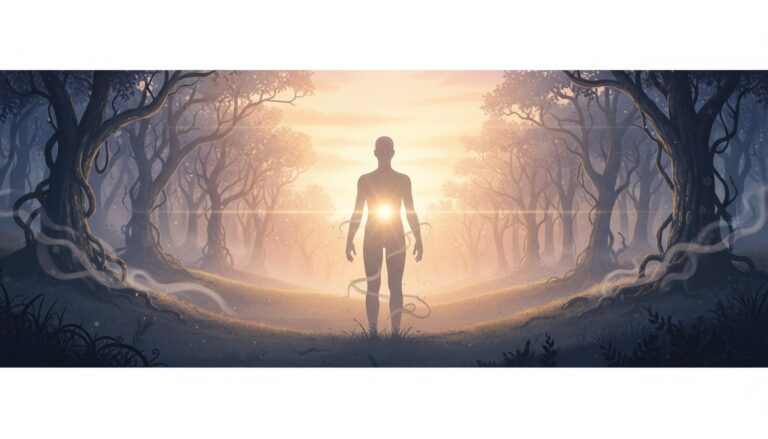
fter emotionally abusive or toxic relationships, many people rediscover creativity in surprising ways. Once survival mode begins to loosen, energy that was once spent monitoring, managing, or self-doubting often seeks an outlet.
For some, that outlet is creativity.
Artistic expression in recovery isn’t about intensity or emotional extremes. It’s about reconnection — to imagination, agency, and parts of the self that were muted or constrained for a long time.
This article explores how creativity often reemerges during the recovery phase, how it can support healing, and how to engage it without tipping into overwhelm or burnout.
Why Creativity Often Returns in the Upswing Phase
During emotionally abusive relationships, creativity is frequently sidelined. Energy goes toward:
- emotional regulation for someone else
- avoiding conflict or invalidation
- staying alert to shifting dynamics
- suppressing parts of yourself to maintain connection
When safety begins to return, so does mental space.
Creativity often reappears not as chaos, but as curiosity — ideas flowing more freely, motivation returning in waves, and a renewed desire to make or express something meaningful.
This is common in The Upswing, where rebuilding replaces survival.
Creative Energy Without Emotional Extremes
There’s a cultural myth that creativity requires emotional instability. In reality, many people find that their most sustainable creative work emerges when they feel grounded rather than flooded.
Creative energy in recovery often looks like:
- focused engagement rather than impulsivity
- curiosity instead of urgency
- expression without self-abandonment
- enjoyment without emotional cost
This kind of creativity doesn’t burn fast — it builds steadily.
The Balance Between Inspiration and Sustainability
After emotional abuse, it can be tempting to over-invest in creativity as a way to prove you’re “okay now.” But recovery-aligned creativity honors limits.
Helpful practices include:
- working in contained time blocks
- finishing one project before starting another
- taking breaks without guilt
- checking in with your body and energy levels
Creativity thrives when it’s supported by rest, rhythm, and permission to pause.
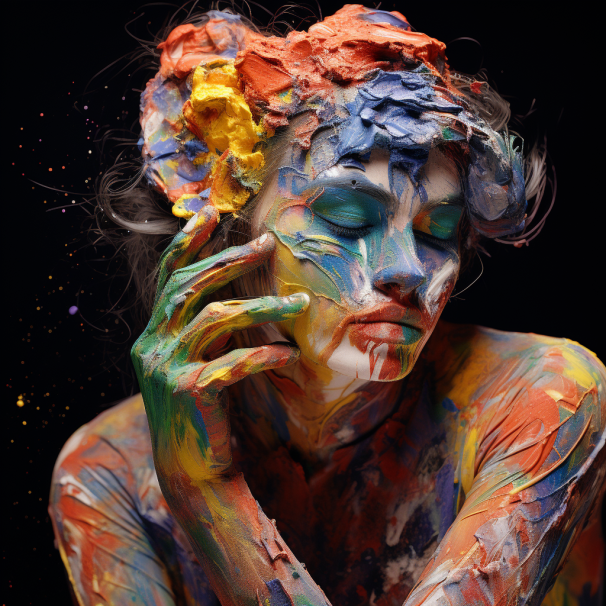
A Reflection on Creative Recovery
“When I finally felt safe enough to create again, the energy surprised me. Ideas came more easily — but they didn’t feel frantic.
I learned to slow myself down, to work with intention instead of urgency. Creating no longer felt like escape. It felt like presence.
Rest became part of the process. So did boundaries. And for the first time, my creativity didn’t cost me my well-being.”
Anonymous Contributor
This shift — from intensity to integration — is a hallmark of healing.
Creativity as Self-Trust in Action
Creating after emotional abuse is often less about the outcome and more about the relationship you’re rebuilding with yourself.
Creative expression can:
- reinforce autonomy and choice
- restore confidence in your instincts
- offer language when words feel limited
- reconnect you to pleasure without risk
When creativity feels supportive rather than consuming, it becomes a tool for regulation, not escape.
Community and Creative Safety
Creativity flourishes in environments where it doesn’t need to perform.
Supportive spaces might include:
- trusted friends or collaborators
- creative groups that value process over perfection
- communities that don’t romanticize suffering
- relationships that respect boundaries
Being seen without being scrutinized allows creativity to remain nourishing.
Letting Creativity Support — Not Replace — Healing
Creative expression is not a substitute for boundaries, rest, or emotional processing. But it can complement all three.
When integrated thoughtfully, creativity becomes:
- a source of meaning
- a reminder of capability
- a reflection of growth
- a bridge back to joy
This is why it fits so naturally in The Upswing — it’s part of rebuilding a life that feels self-directed and whole.