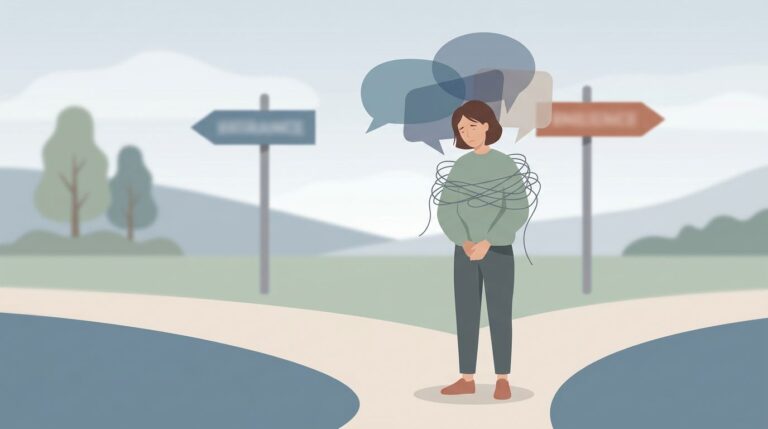
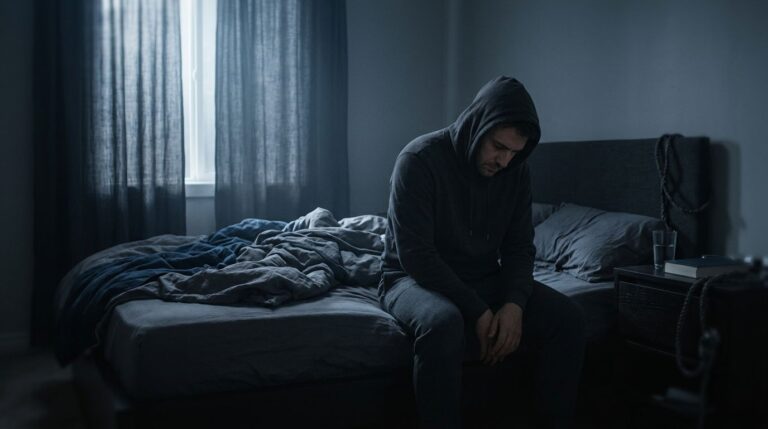
Sometimes isolation doesn’t look like a locked door. It looks like canceling dinner again, skipping your class, or deciding it’s easier not to mention that a friend reached out.
In isolation in relationships, the shift is often gradual. You may still care about the person, still hope things will settle down, and still wonder if you are overreacting. But if your life keeps getting smaller to avoid tension, that change matters.
The hardest part is that these warning signs of subtle isolation can feel ordinary while they are happening.
Key Takeaways
- Isolation happens by inches: It rarely starts with a direct command; instead, it grows through subtle pressure, guilt, and the gradual abandonment of your own interests to avoid conflict.
- Recognize the patterns of control: If you find yourself asking for permission, hiding your social plans, or feeling that your hobbies are ‘selfish,’ these are signs that your world is being intentionally constricted.
- The emotional toll is significant: A shrinking world often leads to numbness, mental fog, and self-doubt, as you lose the external mirrors—like friends and family—that help you maintain your sense of identity.
- Distinguish boundaries from control: Healthy boundaries invite mutual respect and individual growth, whereas control tactics are designed to limit your autonomy and force dependency.
- Start with small steps: You do not need to make a massive change immediately; recovery begins by noticing what has been lost and choosing one small way to reconnect with yourself or your support network.
Isolation rarely starts with a big rule
Most people do not wake up one day and decide to disappear from their own lives. It usually happens by inches.
A partner may get moody when you make plans. They may pick a fight before you leave, act hurt when you get home, or make little comments about how your family and friends do not respect the relationship. These moments are often early red flags that suggest a deeper problem. Each moment can seem small on its own.
After a while, your mind starts doing quiet calculations. Is coffee with your cousin worth the cold shoulder later? Is your workout class worth the accusation that you are choosing strangers over your relationship? To keep things calm, you cancel. Next time, you cancel sooner.
That pattern matters. Isolation often grows through pressure, jealousy and guilt, and emotional fallout, rather than clear commands.
You might stop sharing the good parts of your life because they seem to trigger resentment. You might avoid family members who ask careful questions because you do not have the energy to explain. You might tell yourself you are tired, busy, or trying to be more understanding.
In some forms of emotional abuse and abusive relationship dynamics, this shrinking becomes part of daily life. The other person does not have to say, I want you alone, for the effect to be the same. These harmful patterns frequently begin early in life, and they are common factors in instances of teen dating violence.
Isolation often grows by inches. If you keep making your life smaller to avoid conflict, that is a sign worth taking seriously.
If you have lost your sense of what is normal, a short guide to healthy and unhealthy relationships can help you reality-check what you have been excusing.
When your routine begins to orbit around one person
A shrinking world isn’t only social. It can show up in your routines, your hobbies, and your sense of independence as your daily life is gradually reshaped by a partner’s need for power and control.
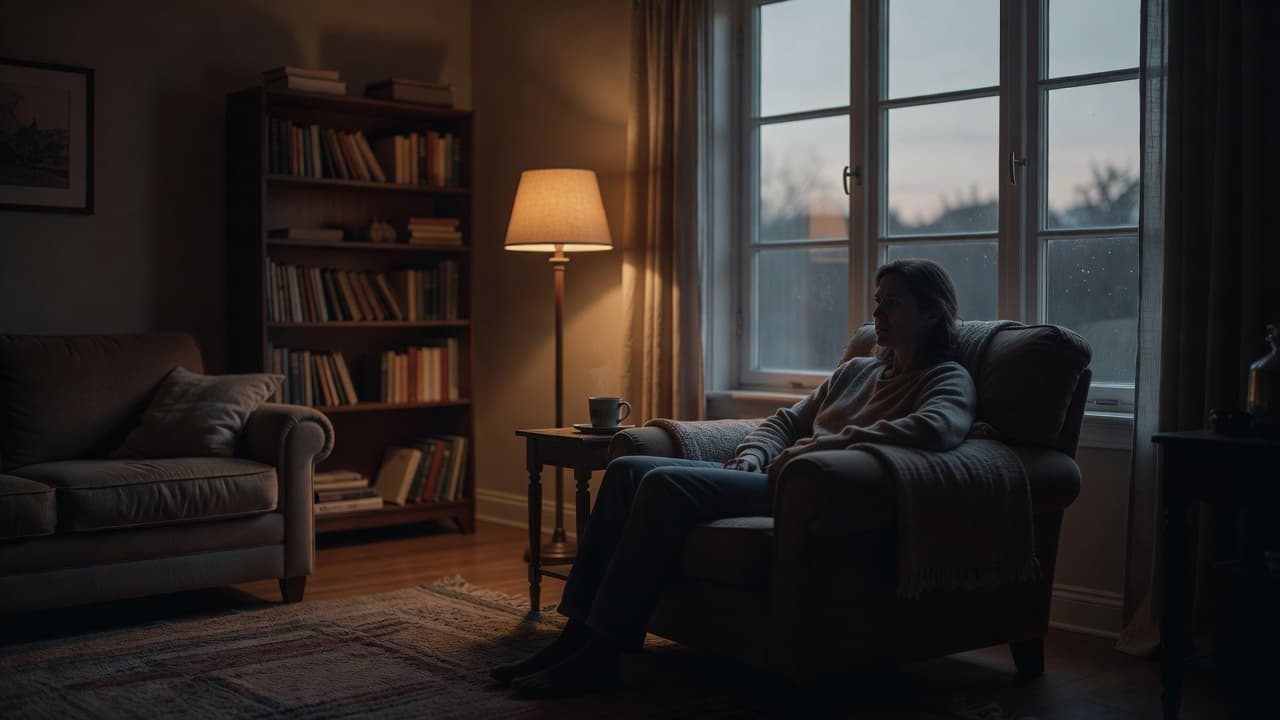
Maybe you used to read, paint, run, garden, or meet friends after work. Now those things feel strangely selfish. Over time, giving up these hobbies and minimizing time spent with family and friends leads to a state of social isolation. Maybe you still can do them, in theory, but the emotional price has gone up. It feels easier not to bother.
Sometimes the changes are so subtle that you barely notice them. You stop answering texts right away. You avoid bringing up plans until the last minute. You ask for permission without meaning to. You start choosing whatever creates the least friction.
This can happen even when there are no dramatic scenes. A sigh, a sarcastic remark, or the implementation of financial abuse to restrict your movement and choices can make a bad mood your responsibility. Over time, your life starts to revolve around avoiding that reaction.
The loss isn’t only external. It’s internal too. You may second-guess your own preferences, your schedule, even your right to want space. A free afternoon no longer feels free if you’re bracing for how it will be interpreted.
Some people end up reading about narcissism because the control and self-focus feel familiar. While a label may or may not fit, these patterns are common in an abusive relationship and serve as clear hallmarks of domestic violence. What matters first is the effect on your life. Are you becoming less connected, less confident, and less like yourself?
A healthy relationship can ask for care, compromise, and time. It shouldn’t require your partner to foster a sense of dependency that forces you to abandon the parts of your life that keep you grounded.
The emotional impact can feel numb, confused, and hard to explain
When your world gets smaller, your inner world often changes too.
You may feel lonely while sitting next to someone. You may feel relief when plans get canceled, then sadness about what you have lost. You may not even feel sad in a clear way. Sometimes, the feeling is simply flatness, a mental fog, or numbness brought on by social isolation.
That makes sense. Isolation cuts you off from the people, places, and rhythms that help you stay oriented. Without those touchpoints, it is harder to reality check what you are experiencing.
Self-doubt tends to grow in that silence, often fueled by emotional manipulation. You may wonder if you are too needy, too social, or too demanding, especially if you are dealing with gaslighting that makes you question your own perceptions. You may start measuring yourself against the moods of the other person instead of your own values.
This is one reason isolation is such a painful part of psychological abuse. When you lose regular contact with family and friends who could provide perspective, the story inside the relationship becomes the only story. You lose the mirrors that once helped you recognize yourself.
For some people, even being alone starts to feel complicated. If distance in the relationship triggers panic or emptiness, coping with abandonment anxiety when alone can help put words around that fear.
None of this means you are weak. It means your system has been adapting to strain.
If you have been feeling numb, forgetful, or unsure of your own instincts, try not to rush past that. Those reactions are signals that you are struggling to maintain your self-identity, not personal failures.
Healthy boundaries protect connection, control restricts it
Confusion grows fast when control gets framed as love. It is vital to recognize that healthy relationships are built on mutual respect and freedom, whereas controlling behavior creates a power imbalance that inevitably makes your world feel smaller.
If you want a grounded overview, HelpGuide’s article on healthy boundaries in relationships is a useful reference point.
| Situation | Healthy boundary | Control tactics |
|---|---|---|
| Time with other people | “Let’s make room for time together and time apart.” | “Why do you need them if you have me?” |
| Privacy | “We can talk about reassurance without invading privacy.” | “If you loved me, you’d prove it.” |
| Disagreement | “Let’s pause and come back when we’re calmer.” | Conflict ends only when one person gives in |
| Hobbies and goals | Your interests are respected | Anything outside the relationship becomes a threat |
The difference is simple, even if it does not always feel simple. Boundaries support respect, choice, and safety for both people. Control narrows one person’s life to manage the other person’s discomfort. These control tactics often foster an unhealthy emotional dependency that makes it increasingly difficult to maintain a sense of self.
A loving partner may miss you, want reassurance, or ask for more time. Those needs can be talked through. The warning sign is what happens when you say no, need space, or keep a part of your life that does not center them. It is important to remember that these behaviors are often precursors to, or forms of, intimate partner violence.
If the price of peace is your friendships, your routines, your privacy, or your voice, that is not closeness. That is confinement with softer edges. Furthermore, isolation is often a calculated method of enforcing financial or emotional dependency, trapping you within a shrinking circle.
You do not need to prove that things are bad enough before taking your own discomfort seriously. A relationship should not train you to disappear.
Small steps can begin recovery and relationship healing
If this is hitting close to home, start small. You do not need one huge decision today.
The first step is often simple noticing. Which parts of your life have gone quiet? Who do you miss? What did you stop doing because it felt easier than dealing with the reaction?
A few gentle ways to begin reconnecting can help. Start by reaching out to your support network, including trusted family and friends who have been absent from your daily life. You can reply to one person, even if the message is short, or put one small activity back on your calendar. Notice where you have been asking for permission instead of making a choice, and write down one thing you need, even if you do not say it out loud yet.
These steps matter because isolation thrives on disconnection and confusion. Reconnection builds clarity.
If reaching out feels strangely hard, you are not alone in that either. Survivors of abuse often find it difficult to accept help, especially if they have been conditioned to believe their needs create trouble. This piece on accepting support after emotional abuse offers gentle ways to let help in without giving up your boundaries.
Recovery does not always begin with a major departure. Sometimes it begins with telling the truth to yourself. Whether you are focused on rebuilding relationships or considering the complexities of leaving an abusive relationship, please remember that the process requires patience. It needs your people, your interests, your body, and your voice. It needs a life that is larger than the fear of upsetting someone.
If you are currently in an abusive relationship, prioritizing your well-being is essential. This often involves safety planning to ensure you have a secure path forward. You can contact the national domestic violence hotline for confidential assistance, or visit the national domestic violence hotline website to explore your options. You do not have to navigate the impact of domestic violence alone, and joining support groups can provide a compassionate space to heal with others who understand your experience.
Frequently Asked Questions
Why does my partner make me feel guilty for having friends?
Your partner may be using guilt as a tool to limit your support system and keep you focused solely on them. By making you feel bad for spending time away, they create an environment where you eventually choose isolation to avoid the emotional fallout.
Is it isolation if I’m the one who cancels the plans?
Even if you are the one canceling, it is still a form of isolation if you are doing so to manage your partner’s reactions or to prevent conflict. You are effectively training yourself to shrink your life to keep the peace, which is a common response to controlling behavior.
How can I tell if a relationship is healthy or controlling?
Healthy relationships prioritize your freedom and encourage your individual growth, while controlling ones frame your independence as a threat to the relationship. If you notice you are constantly bracing for a negative reaction whenever you want to pursue your own hobbies or spend time with others, that is a major red flag.
What should I do if I feel like I’ve lost myself?
Start by gently identifying which parts of your life have gone quiet, such as lost hobbies or neglected friendships. Reach out to one trusted person or reintroduce a small activity that makes you feel like yourself, and consider seeking support from professionals or counselors who can help you gain perspective.
A smaller world is still a warning
Isolation rarely announces itself with a sudden dramatic gesture. Sometimes it arrives as one more canceled plan, one more hobby abandoned, or one more quiet version of who you used to be.
If this feels familiar, please know that you are not being dramatic. These subtle warning signs of isolation are serious indicators that there is a fundamental lack of power and control parity in your life. While healthy relationships foster growth and autonomy, domestic violence often relies on shrinking the world of the victim to maintain influence.
You do not have to name everything or solve the entire situation today. You can simply start by noticing what has gone quiet in your life, and by reaching back toward one person or activity that still feels like home.