Signs of emotional abuse during unemployment may include repeated humiliation, threats, isolation, and control over money or your job search. Losing income doesn’t cause or excuse emotional abuse, and you’re not responsible for your partner’s abusive choices.
When you depend on someone for housing or essentials, recognizing harm can feel complicated. You still deserve respect, privacy, and a voice in decisions. Start by looking at what happens when you express a need or disagree.
Category: NUMB, Emotional Impact of Toxic Relationships
Key Takeaways
- Financial stress doesn’t give a partner permission to intimidate, shame, or control you.
- Notice repeated patterns, especially when questioning a rule leads to punishment.
- Confidential support and safety planning are available even if you’re staying, financially dependent, or unsure what to call your experience.
When Unemployment Becomes a Tool for Control
Safe Horizon describes emotional abuse as nonphysical behavior that belittles someone through insults, put-downs, verbal threats, or other tactics. These behaviors can leave you feeling threatened, inferior, ashamed, or degraded.
During unemployment, a partner may use your financial situation to justify unequal rules. “I’m paying, so you don’t get a say” turns income into authority over your choices.
This harm doesn’t require physical violence. The National Domestic Violence Hotline’s 2020 data found that 95% of its contacts reported emotional abuse. That figure describes people contacting the Hotline, not all relationships.
UR Medicine reports that over 12 million U.S. adults experience intimate partner abuse each year. It also notes that emotional abuse was reported more often than physical or sexual abuse.
You don’t need a statistic, diagnosis, or visible injury to take your own experience seriously.
Emotional Abuse Signs Around Money and Work

Your Employment Status Becomes an Attack on Your Worth
Emotional abuse can include repeatedly calling you “lazy,” “useless,” or “a burden.” A partner might mock rejected applications, compare you unfavorably with working friends, or humiliate you in front of family.
Practical conversations about bills can be uncomfortable. Repeated attacks on your character are different. Notice whether concerns become insults, or whether every household disagreement returns to your lack of income.
If your partner is unemployed, abuse may involve blaming you for their situation or demanding that you absorb their anger. Their distress doesn’t make you responsible for accepting mistreatment.
Resources Are Withheld or Your Job Search Is Undermined
Financial abuse can include denying money for food, medication, transportation, or phone service. Your partner may hide account information, create debt in your name, or demand permission for every purchase.
Employment sabotage can look like hiding car keys before an interview, interrupting calls, or refusing agreed childcare. They may then keep blaming you for remaining unemployed.
A shared budget leaves room for questions and access to information. Controlling behavior makes essentials conditional on obedience. Having household money doesn’t mean you can safely access it.
Control Over Your Memory, Privacy, and Connections
Gaslighting Leaves You Doubting What Happened
Gaslighting involves denying events, twisting your memory, or repeatedly attacking your judgment. You may hear, “I never said that,” “You’re overreacting,” “You’re too sensitive,” or “You’re going crazy.”
A disagreement about memory alone doesn’t establish gaslighting. Look for repeated distortion that shifts attention away from their behavior and onto your supposed instability.
Our guide to recognizing gaslighting patterns offers more everyday examples. You don’t have to convince your partner that your memory is valid before seeking support.
Monitoring and Isolation Shrink Your Choices
Your partner may demand passwords, check messages, track your location, or accuse you of cheating during interviews. They might start arguments before visits until canceling feels easier.
Triangulation means pitting people against each other while keeping themselves in the middle. They may tell relatives conflicting stories to stir drama or deflect blame.
Threats can involve eviction, harm, exposing private information, or suicide used to stop you setting limits. Take threats seriously, but don’t assume you must manage them alone or comply to prevent harm.
Silence Becomes Punishment
The silent treatment may last days or weeks. You may find yourself walking on eggshells, guessing what went wrong, or apologizing simply to restore contact.
Someone taking space can communicate that they need a pause and discuss returning to the conversation. Punitive silence pressures you to surrender your needs.
Ask yourself: Can I raise the original concern once communication resumes? Or does peace depend on pretending nothing happened?
Affection That Pulls You Back Into the Pattern
Love Bombing Creates a Sense of Debt
Love bombing involves excessive attention, affection, or gifts early in a relationship, a form of manipulation that pressures closeness or loyalty. Later, generosity may become a demand: “After everything I’ve done, you owe me.”
During unemployment, offers to cover every expense can feel reassuring. Notice whether that help remains freely given or becomes a reason to control your friendships, work, or decisions.
Affection itself isn’t among the red flags. Pressure and entitlement around it deserve attention.
Hoovering Restarts Contact After Distance
Hoovering, named after the Hoover vacuum, describes attempts to pull someone back into a relationship. These may include repeated texts, calls, promises, or messages through mutual friends.
Over time, support may become scrutiny, scrutiny may become punishment, and apologies may bring temporary relief. This sequence isn’t universal, but it can explain why abuse becomes harder to recognize.
Look for sustained change rather than the intensity of a reunion.
Stressful Conflict or Relationship Abuse?
Healthy conflict can involve frustration, mistakes, and difficult conversations. Both people still have room to question decisions without fearing punishment.
Compare what happens around the same practical issue.
| Situation | Respectful conflict | Abusive control |
|---|---|---|
| Money is tight | Both discuss affordable spending. | One person withholds essentials to force agreement. |
| An interview needs transport | Both discuss available options. | Keys are hidden, followed by blame. |
| Someone needs a break | A pause includes plans to reconnect. | Silence continues until the other person gives in. |
The difference is a pattern of power and control that limits one person’s freedom and avoids accountability. An apology includes changed behavior. Repeated promises followed by the same intimidation leave the harm in place.
A household budget should remain open to questions. Fear of retaliation changes the meaning of an apparent agreement.
A single threat or act of intimidation still deserves attention. You don’t need to wait for repetition before asking for help.
Texas Tech’s guidance notes that alcohol and drugs can increase the severity of abuse, but they don’t cause it. Neither substances nor unemployment removes responsibility for abusive choices.
Confidential Support While Money or Housing Is Shared
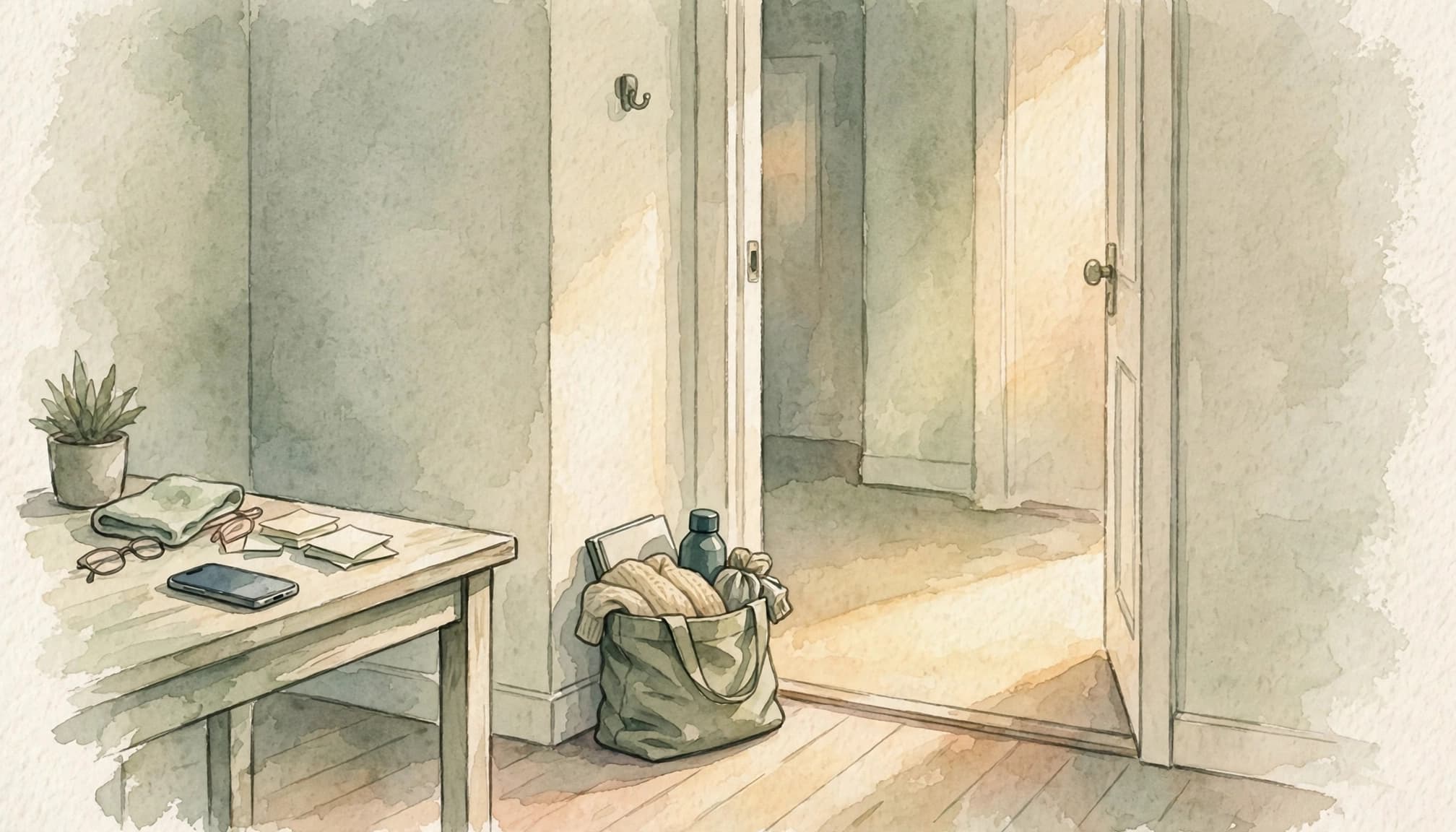
You don’t have to decide whether to leave before seeking support. Financial dependence, shared housing, disability-related needs, and children can make each option more complicated.
An advocate can help you consider housing, transport, benefits, legal information, and safer communication. Safety planning can support you while you remain at home.
If it’s safe, documentation might include dates, exact words, threatening messages, or interference with interviews. Keep records only where your partner can’t access them. Documentation is optional; collecting proof shouldn’t put you at greater risk.
A trusted person’s device may be safer than a monitored phone. Private browsing doesn’t remove every trace. Password changes, account changes, or disabling location sharing may alert your partner, so consider those risks before acting.
These options offer different kinds of support:
- In the U.S., contact the National Domestic Violence Hotline at 1-800-799-7233, text START to 88788, or use online chat. Confidential support is available around the clock.
- If you’ve been threatened with harm or death, or are being stalked, call 911 or the police. Outside the U.S., use your local emergency number for immediate danger and a local domestic abuse service for planning.
- Tell someone you trust what kind of help feels safe, such as storing documents, providing transport, or arranging a private conversation.
Friends can say, “I believe you. What would feel helpful?” Avoid confronting the partner or taking action without the person’s permission.
Recovery Can Begin Before Every Decision Is Clear
The Office on Women’s Health describes lasting effects of emotional abuse, including depression, anxiety, substance use, eating disorders, and chronic pain. Feeling overwhelmed or numb doesn’t mean you’re failing.
Recovery may begin with naming one experience, speaking privately with someone supportive, or noticing a need you’ve learned to dismiss. Our guidance on rebuilding trust after emotional abuse offers small, practical steps.
Relationship healing requires safety, accountability, and sustained change from the person causing harm. You can’t create that change through patience, perfect explanations, or finding work.
Individual, trauma-informed support can help you explore your needs without pressure to make every decision at once.
Frequently Asked Questions
Are Emotional Abuse and Psychological Abuse Different?
The terms often overlap. WomensLaw explains emotional and psychological abuse and notes that experts don’t always agree on a distinction.
These behaviors can also occur outside romantic relationships. A family member, friend, coworker, or manager can humiliate, isolate, threaten, or manipulate you. The relationship label doesn’t erase the harm, although available support and legal options may differ.
Does Emotional Abuse Mean My Partner Has Narcissism?
No. Narcissistic personality disorder is a mental health condition, and having it isn’t the same as being abusive. You also don’t need a diagnosis to recognize harmful behavior.
Understanding the difference between emotional abuse and narcissism can help keep attention on what matters: their actions, your safety, and your freedom to make ordinary choices.
Your Income Doesn’t Determine Your Right to Respect
Unemployment may change your finances. It doesn’t reduce your right to privacy, dignity, or safety within a relationship.
If questioning rules brings threats, humiliation, or punishment, that pattern deserves attention. You can seek confidential support without proving your partner’s intentions or deciding today whether to stay.
A safer next step can be small, private, and chosen by you.