If you’re feeling strangely blank in a relationship, you’re not imagining it. Emotional abuse and other forms of relationship abuse don’t just hurt your feelings. Over time, they can change how your body works, how you sleep, and even how present you feel in your own life.
Numbness is one of the most confusing signs. It can look like “I’m fine” on the outside, while inside you feel far away. That response is common, and it often has a reason.
Below are body-based signs to watch for, gentle self-check questions, and practical ways to steady yourself while you figure out what’s happening.
How emotional abuse can show up as physical symptoms (even without bruises)
When someone repeatedly humiliates, twists your words, threatens consequences, or keeps you guessing, your nervous system treats it like danger. Even if the person never touches you, your body can stay in a low-grade alarm state. That’s why emotional abuse physical symptoms can feel so real and so exhausting.
In many people, the body cycles between high alert (anxiety, tension) and shutdown (numbness, fatigue). Shutdown can be your system’s “circuit breaker.” It’s not weakness. It’s protection.
If you’re unsure whether what you’re experiencing counts, this guide to recognizing emotional abuse patterns can help you name what’s been hard to describe.
Here are common body signals that show up during emotional abuse and relationship abuse:
- Emotional numbness: you can’t access feelings, even when you want to
- Brain fog: trouble focusing, forgetting simple things, losing your train of thought
- Sleep changes: insomnia, early waking, or sleeping “too much” but still tired
- Chest tightness or throat tension: especially before talking or texting them
- Stomach issues: nausea, appetite swings, stress-related digestive discomfort
- Headaches or jaw clenching: tension that builds without you noticing
- Startle response: jumping at footsteps, doors, or notifications
- Low energy and heaviness: your body feels like it’s moving through mud
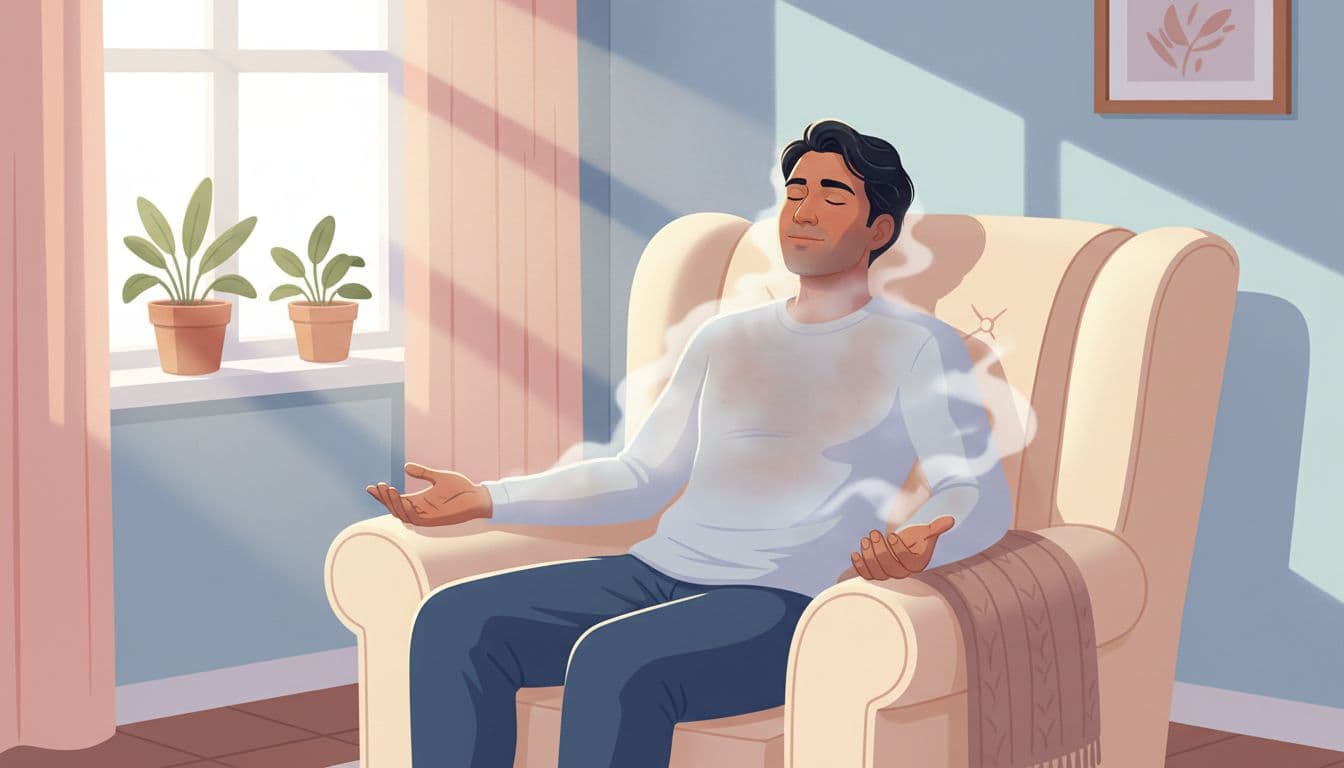
Symptoms don’t prove a cause on their own. Still, they’re valuable data, especially when they show up around one person or one topic.
Numb, calm, or dissociated? A quick reality check
Numbness can feel like peace at first. No tears, no anger, no panic. Just… nothing. Yet calm usually has a sense of choice in it. Numbness often has a sense of disconnection.
Sometimes numbness is part of dissociation, which is a common trauma response. It can include feeling unreal, spaced out, or like you’re watching yourself from the outside. For a plain-language overview, see signs of dissociation and this explainer on dissociation as a trauma response.
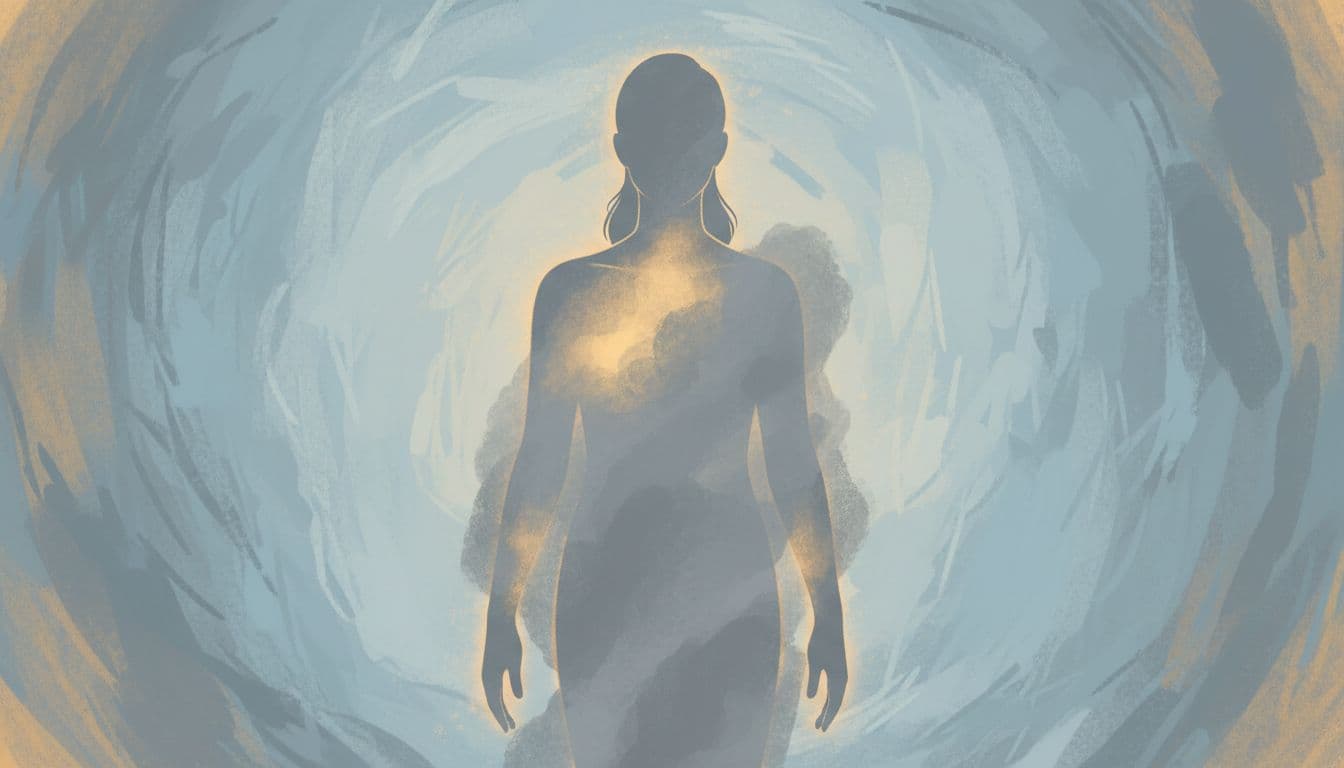
A quick comparison can help:
| What it feels like | Calm | Numb or dissociated |
|---|---|---|
| Inside your body | settled, grounded | foggy, far away, “not here” |
| Your emotions | present but steady | missing, muted, or shut off |
| Afterward | you feel restored | you feel drained or confused |
Try a gentle self-check (no pressure to answer perfectly): Do you feel more “gone” during conflict or after criticism? Do you lose words, lose time, or stare at a wall without meaning to? Do you feel normal again only when you’re alone, or when the relationship is quiet?
Numbness is often your body saying, “This is too much to feel all at once.” It’s a signal, not a personality trait.
Also, a note on narcissism: some abusive dynamics include patterns people describe as narcissistic, such as entitlement, lack of accountability, and punishing you for having needs. You don’t need a diagnosis to trust the impact on your body.
Grounding techniques that help when you feel numb
When numbness hits, most people try to “think” their way out. The body usually needs something simpler first: safe sensation and steady rhythm. If you’re wondering whether you’re numb or just relaxed, this therapist-written perspective on numbness vs calm can help you sort the difference.
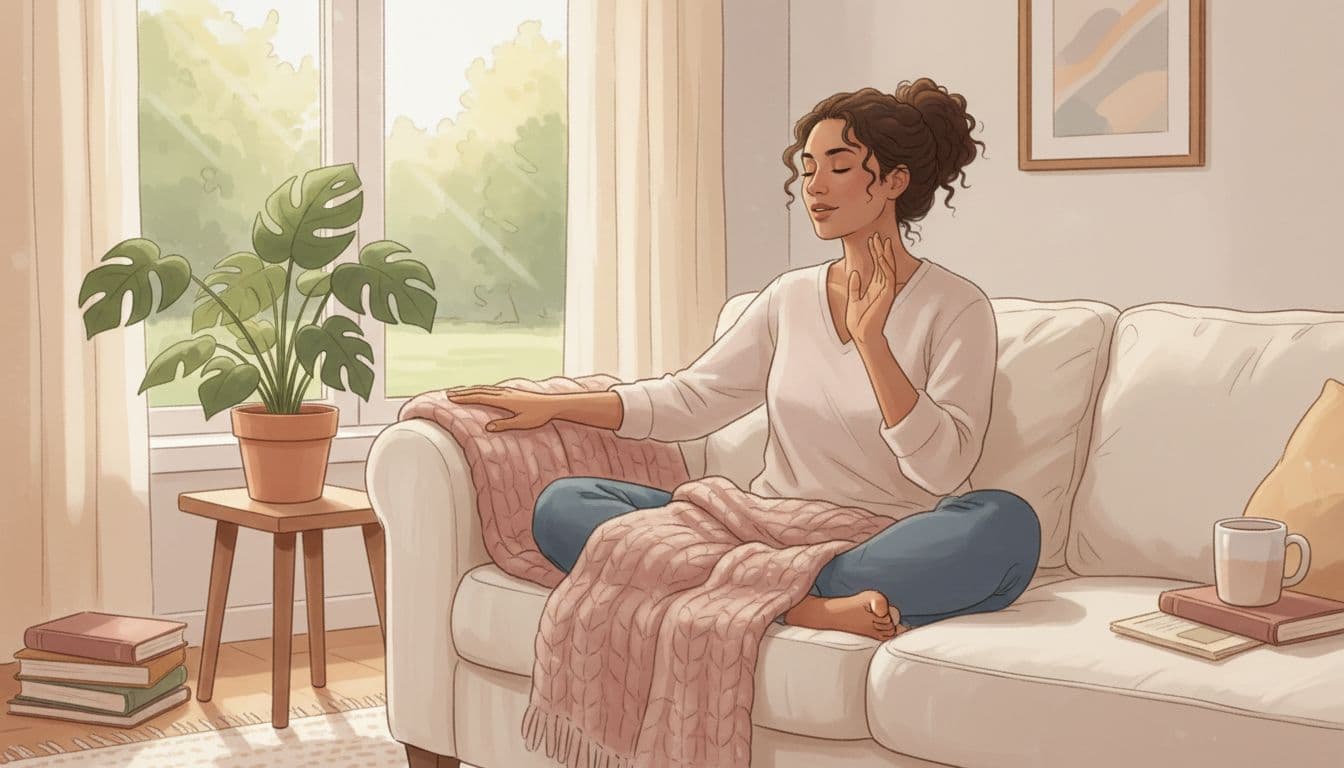
Here are practical options you can use in under five minutes:
5-4-3-2-1 grounding: Name 5 things you see, 4 things you feel (texture counts), 3 things you hear, 2 things you smell, and 1 thing you taste. Say them out loud if you can. That helps your brain orient to the present.
Paced breathing: Inhale through your nose for 4, exhale for 6. Do 8 slow rounds. Longer exhales signal safety to the nervous system.
Sensory cues: Hold a cool drink, wrap in a textured blanket, or run warm water over your hands. Pick one sensation and stay with it for 30 seconds.
Gentle movement: Stand and press your hands into a wall for 10 seconds. Then release. Or take a two-minute walk and feel each footstep.
If numbness becomes frequent, intense, or scary, support can help you come back safely and steadily. You deserve help that doesn’t rush you.
What to do next: document patterns, get support, and protect your health
Numbness often lifts when your life gets safer and more predictable. That’s part of recovery, even if it feels slow. If the relationship has a push-pull cycle that keeps re-hooking you, learning about the stages of a trauma bond can reduce self-blame and clarify why leaving, or even setting boundaries, can feel physically hard.
Here are next steps that protect both your body and your clarity:
- Track patterns, not single moments. Write brief notes: what happened, what your body did, and how long it lasted. Keep it private and safe.
- Talk to one trusted person. Choose someone steady who won’t minimize you. A simple “I don’t feel like myself” is enough to start.
- Consider a therapist or advocate. Trauma-informed therapy can help with dissociation, anxiety, and boundary skills. If you want a survivor-centered view of dissociation, this article on recognizing dissociation in trauma survivors is a helpful read.
- Get a medical checkup when it fits. Chest tightness, stomach issues, headaches, and sleep loss deserve care. You’re not “overreacting” for wanting support.
- Use resources if safety is a concern. If you feel at risk, look up local domestic violence hotlines and advocacy services in your country. Many places can help you safety plan even if there’s no physical violence.
If you’re in crisis or thinking about self-harm, contact your local emergency number. In the US, you can call or text 988. Outside the US, search for your country’s crisis line, or look for international directories like Befrienders Worldwide or Hot Peach Pages.
Progress can look small at first. Over time, it adds up. This may help you spot early change: signs your brain is healing after emotional abuse, especially if your body still reacts even after you see the pattern clearly.
If getting support feels “dramatic,” that’s often a sign you’ve been trained to downplay your pain.
Conclusion
If emotional numbness is showing up in your body, it’s worth taking seriously. Your system may be responding to ongoing emotional abuse, even if you can’t explain it neatly. Start with one grounding tool, one honest conversation, and one step toward support. With time, relationship healing becomes less about forcing closure and more about returning to yourself.