A birthday cake should never come with a stomach ache. Yet, if you have lived with someone who exhibits traits associated with Narcissistic Personality Disorder, special days can start feeling tense before they even begin. You may find yourself walking on eggshells as the calendar nears an important date.
You may brace for impact as you anticipate the late arrival, the sharp comment, the sudden sulking, or the fight that appears out of nowhere. When narcissists ruin holidays, birthdays, and major milestones, it usually is not random. It is a predictable pattern, and you are certainly not imagining it.
Once you understand what drives that behavior, the chaos starts to make sad, painful sense.
Key Takeaways
- Narcissistic sabotage of special occasions is a predictable pattern, not a random occurrence, driven by a deep-seated need to be the center of attention.
- Special events are often viewed by a narcissist as a threat to their control, leading them to disrupt milestones to shift the focus back onto themselves through fights, cold silence, or dramatic outbursts.
- The tension surrounding these dates can create a lasting physiological response, causing victims to experience anxiety or dread as the calendar approaches important milestones.
- Reclaiming these moments involves setting practical boundaries, such as having an exit strategy, celebrating separately, or creating new, low-pressure traditions that prioritize your own peace over the expectations of others.
Why Special Days Start to Feel Unsafe
Special occasions gather attention in one place. Whether you are hosting holiday gatherings, celebrating a graduation, or marking an anniversary, these events send a clear message: this moment matters, and someone deserves to be seen.
For a narcissistic person, however, that dynamic can feel threatening. Because they have a deep-seated need to remain the center of attention, your special day becomes a spotlight they feel they did not receive. Instead of joining in the celebration, they may attempt to bend the narrative back toward themselves.
That sabotage can be loud, but it can also be subtle. Sometimes it is an argument right before you leave. Sometimes it is cold silence at the table. Sometimes it is a gift with a hidden insult attached. During family get-togethers, their clear lack of empathy often drives them to disrupt the harmony, as they become incapable of prioritizing your happiness over their own ego.
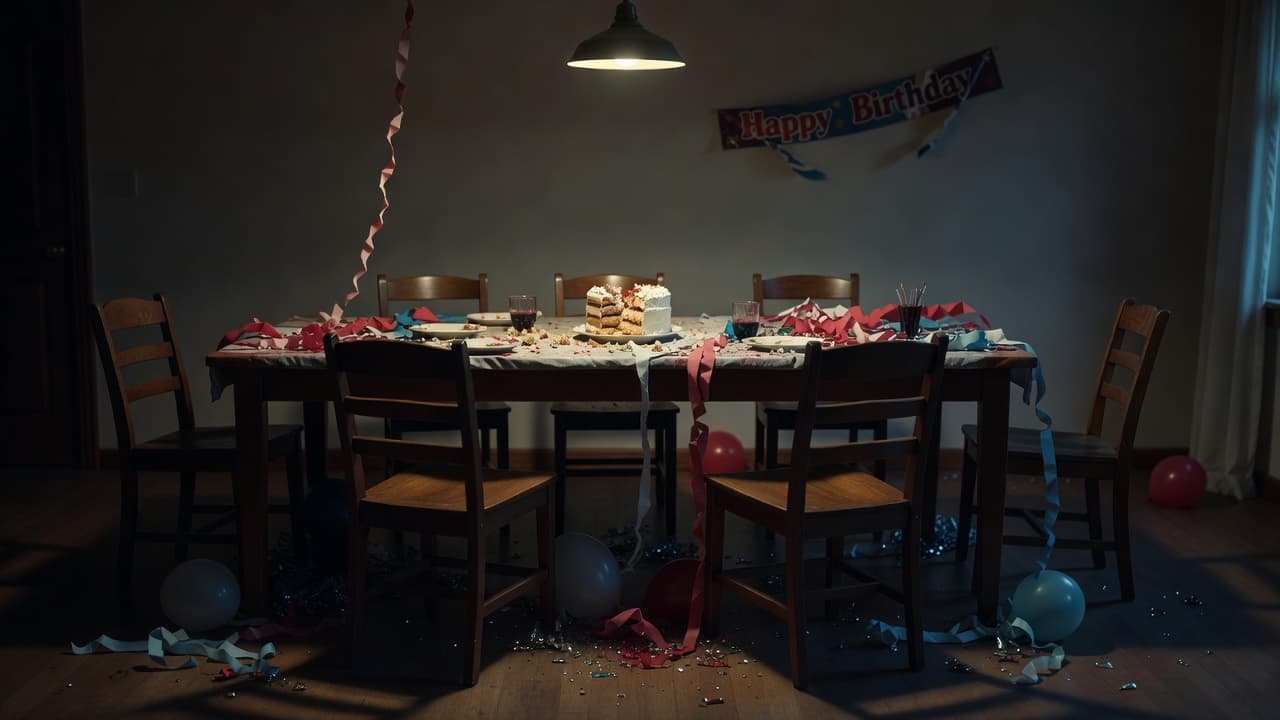
What makes this so confusing is that the event may still proceed as planned. The candles get lit, the pictures get taken, and the food gets served. On the outside, it can look normal enough.
Inside, though, the whole room has shifted. You are no longer celebrating; you are simply managing their emotional state.
That is part of what makes this form of emotional abuse so hard to name. There may not be a dramatic scene every time. Instead, the day gets poisoned by tension, guilt, ridicule, or emotional withdrawal. By the end, you feel foolish for hoping it would be different.
In families and romantic relationships shaped by narcissism, special occasions often become stages for control. The event is supposed to honor a meaningful connection, but instead, it is used to test your loyalty, punish your independence, or steal the focus away from you.
Why Your Joy Feels Like a Threat to Them
Joy can expose what control tries to hide. When you are happy, proud, relaxed, or loved, you are harder to dominate, which is why special occasions so often get hijacked. Your birthday is about you, your graduation marks growth, and your promotion shows movement. A wedding, a new baby, or even a peaceful holiday can signal that life is expanding beyond their grip.
Grandiose narcissists may react with open hostility because they feel entitled to be the center of attention at all times, while vulnerable narcissists might use subtle guilt to steal the spotlight. Regardless of the type, they feel replaced or overlooked. Instead of admitting those feelings, they create a disturbance that forces everyone to turn back toward them.
Sometimes they compete with you. They bring up their own achievements during your dinner, tell embarrassing stories, or joke about your appearance, age, or choices. They may cry, get sick, drink too much, pick at the plans, or announce that no one appreciates them.
Other times they spoil the mood by acting bored or offended. They choose to devalue your accomplishments and treat your joy like a personal insult. As a result, you start shrinking your own presence just to keep the peace.
If every special day ends with you soothing them, the day was never allowed to be about you.
This dynamic is a hallmark of toxic relationships, whether they involve parents, partners, siblings, or adult children. If a brother or sister always found a way to wreck birthdays or graduations, recognizing narcissistic patterns in siblings can help put language to that pain.
And that naming matters. Once you stop calling it bad timing or holiday stress, you can start seeing the pattern for what it is: attention theft dressed up as emotion.
How They Sabotage Birthdays, Holidays, and Milestones
The details change, but the script often feels familiar. One moment, you are getting ready for something meaningful. The next, you are in damage control.
Here are some of the most common ways this sabotage shows up:
- They start a fight the night before or on the way to the event.
- They arrive late, cancel plans last minute, or create confusion so the day revolves around them.
- They sulk, criticize, or withdraw until everyone notices their mood.
- They manipulate gift giving by providing items that feel shaming, careless, or loaded with strings.
- They bring up old wounds right when things start feeling warm.
Some people escalate in public. They embarrass you in front of guests, flirt to provoke you, or make a toast that turns into a jab to create drama whenever they feel the spotlight shifting away from them. Others work behind the scenes. They overspend, withhold money, or triangulate family members so the celebration turns tense and divided.
The method matters less than the outcome. Your anticipation becomes dread. Your milestone becomes their emotional emergency. You end up comforting the person who hurt you.
This is why people often say a narcissistic partner or family member ruins every holiday. The disruption is not random. It keeps attention on them, and it teaches you that your joy comes at a cost.
Even after a breakup, the pattern may keep going. Sometimes the discard phase is not final, and they suddenly reappear before your birthday, Christmas, Mother’s Day, or another loaded date. If that sounds familiar, understanding hoovering tactics can help you spot the pull before it hooks you again.
That cycle is part of relationship abuse. The occasion becomes bait, pressure, or punishment, even when the relationship is supposed to be over.
Why the Hurt Sticks to the Date
A ruined day does not always stay in the past. Sometimes the date itself starts carrying the weight.
You may notice it weeks ahead of time. Perhaps you start to brace for impact as the calendar approaches Thanksgiving. Maybe your own birthday makes you want to disappear, or an anniversary leaves you feeling flat, irritable, or strangely numb. That reaction makes perfect sense.
After repeated emotional abuse, the body learns patterns. If specific days were consistently full of tension, blame, or humiliation, your nervous system may start treating those dates like warnings. That does not mean you are broken. It simply means your system remembers the danger.
There is also deep grief mixed into this experience. Not only did the day get spoiled, but the memory of it was tainted as well. You may look at photos from a graduation or a holiday and remember the cold silence, the biting insults, or the flare of narcissistic rage that followed when the guests finally left.
That split can make you doubt yourself. Other people saw cake, presents, smiles, and decorations. You remember the fear hiding underneath the wrapping paper.
If certain dates keep blindsiding you, planning for emotional abuse triggers can help those weeks feel less punishing.
This is one reason recovery can feel uneven. You may be doing better, then one of these special occasions rolls around and old feelings flood back. It is not a failure. It is memory, loss, and stress colliding on the calendar.
The pain also lingers because these days are supposed to signify love. When they become places of dread instead, the betrayal cuts deeper. You were not asking for too much; you were asking for a safe moment, and that request was treated like a problem.
Reclaiming Special Occasions on Your Terms
You don’t need a huge plan to start protecting your peace. Small changes count.
Sometimes self-protection looks like celebrating separately. Sometimes it means shortening the visit, driving your own car, telling fewer people your plans, or refusing to hand a manipulative person the power to define the mood. Prioritizing your self-care often starts with simple, practical choices like having a clear exit plan if the environment becomes toxic.

You may also need to grieve the version of the holiday or milestone you hoped for. That part hurts. Wanting warmth from someone who keeps bringing chaos is human. Letting go of that hope, at least in its old form, is a vital part of your recovery. This process requires you to set boundaries firmly and maintain realistic expectations regarding how the narcissist will behave.
Real relationship healing often starts there. Not with a perfect conversation. Not with one magical boundary. With the simple truth that you deserve a day that doesn’t collapse around someone else’s ego.
New traditions can be quiet. A breakfast alone. A walk with one trusted friend. A phone on silent. A tiny cake you picked for yourself. A short gathering instead of an all-day obligation. If you are struggling to reclaim these special occasions after years of emotional distress, working with a psychologist can provide the professional tools you need to build a life of peace. Calm may look ordinary, but after years of chaos, ordinary can feel almost sacred.
If you are early in healing, don’t pressure yourself to make special days amazing. Aim for safer. Aim for gentler. Aim for less harm than last time.
That is still progress. That still counts.
Frequently Asked Questions
Why does a narcissist feel threatened by my personal milestones?
Because narcissists have an intense need to remain the center of attention, any event that highlights your growth, joy, or accomplishments is perceived as a loss of control for them. They feel replaced or overlooked, so they act out to force the focus back onto their own needs and emotions.
Is it normal to feel anxious or numb as a specific holiday approaches?
Yes, this is a common trauma response known as a trigger. Because your nervous system remembers years of tension, humiliation, or conflict on these dates, it initiates a fight-or-flight response to protect you from perceived danger even before the event occurs.
What should I do if my partner ruins every birthday or holiday?
Start by lowering your expectations and implementing small, protective boundaries, such as driving your own car, shortening the time spent together, or choosing to celebrate with supportive people instead. It is often helpful to shift your goal from having a ‘perfect’ day to simply having a ‘safer’ one while working with a professional to address the relationship dynamics.
Are these disruptions always obvious, or can they be subtle?
While some narcissists use loud, public scenes to ruin a day, many use subtle tactics like withdrawal, cold silence, or backhanded compliments. These behaviors are equally damaging because they shift the room’s energy and force you into a state of ‘damage control’ instead of celebration.
Conclusion
A holiday should not feel like a test you can never pass. When you realize that narcissists ruin holidays and milestones, you begin to see that the point is rarely the event itself. The point is control.
Naming that pattern can loosen the shame. It can also help you stop blaming yourself for the tension that kept showing up right on schedule.
Your special days do not have to stay tied to someone else’s instability. Whether you are setting better boundaries or ending toxic relationships to find distance, these steps are all part of a steady recovery. With the right amount of space to protect your peace, your special occasions can finally start belonging to you again.