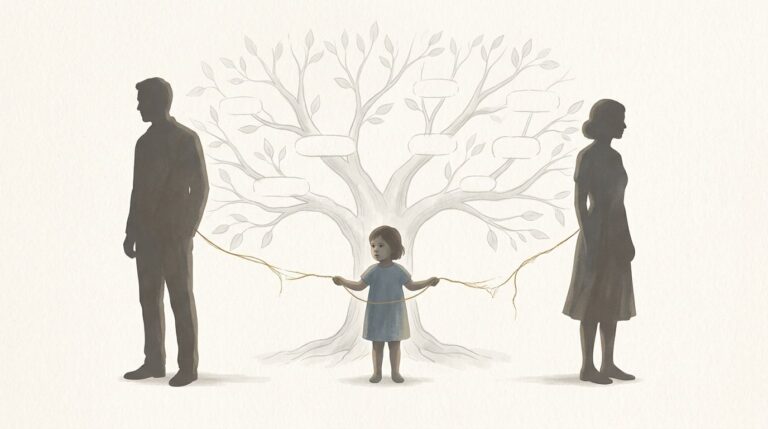
A good day after emotional abuse can feel oddly uncomfortable. You might laugh, rest, or breathe a little easier, then wonder, “Why do I feel guilty now?” That reaction makes sense.
When you’ve lived in survival mode, calm can feel unfamiliar at first. Healing from emotional abuse often starts this way, not with a huge breakthrough, but with a few softer moments that slowly become more common.
Why good days can feel uncomfortable after emotional abuse
If you were hurt in a controlling, critical, or unpredictable relationship, your body learned to stay alert. It had a job to do, and that job was survival. So when a peaceful day shows up, part of you may still wait for something bad to happen.
That’s one reason recovery can feel confusing. You may want rest, but not trust it. You may enjoy a quiet afternoon, then hear an old voice in your head telling you that you’re lazy, selfish, or “too sensitive.” Those messages don’t disappear the moment the relationship ends.
This is common after relationship abuse. It’s also common when narcissism shaped the relationship dynamic. If someone trained you to doubt your feelings, question your memory, or shrink your needs, your system may treat joy like a risk instead of a relief.
A good day can also bring grief. You notice what life feels like without constant tension, and suddenly you see how much energy you spent surviving. That realization can hurt.
If you’re still trying to name what happened, moving forward after an abusive relationship can help put words to the confusion.
A good day doesn’t erase the past. It shows that your mind and body can still find room to breathe.
That matters. A lot.
Start with safety, not happiness
Trying to force happiness rarely works. Safety works better.
That may sound less exciting, but it’s kinder and more realistic. Most people don’t jump from fear to joy in one clean step. They move from fear to less fear. From chaos to a little steadiness. From bracing all day to unclenching for ten minutes.
That’s how recovery often begins.
Start small. Ask, “What helps me feel a little more here, a little less scattered?” The answer might be simple. Cold water on your hands. A snack with protein. A blanket. Five slow exhales. A lamp instead of harsh overhead light. Texting one safe person.
Grounding can help when your mind spins. Try naming five things you see, four things you feel, three things you hear, two things you smell, and one thing you taste. No pressure to do it perfectly. The goal is not to become calm on command. The goal is to come back to the present.
Rest matters too. After emotional abuse, many people feel guilty when they slow down. But exhaustion is not a character flaw. Sometimes your body is asking for repair, not discipline.
Support helps, even if your circle is small. One steady friend can make a difference. So can a therapist who understands trauma and abuse. If that step feels right for you, how to choose a trauma-informed therapist can make the search feel less overwhelming.
This article is informational only. It’s not a substitute for mental health care or crisis support.
Let small good moments count
A good day doesn’t have to mean a perfect day. It might mean you made breakfast and didn’t cry. It might mean music sounded good again. It might mean your shoulders dropped for the first time all week.

Those moments are easy to dismiss because they seem ordinary. But in healing from emotional abuse, ordinary often is the miracle. The nervous system doesn’t always celebrate with fireworks. Sometimes it whispers, “I think we’re safe enough to sit down.”
Try not to interrogate every good feeling. If you catch yourself thinking, “This won’t last,” gently shift to, “It’s here right now.” That small change can help you stay with the moment instead of leaving it early.
You can also keep a light record of small wins. Not a full journal if that feels like work. Just a note on your phone. “Ate lunch.” “Went outside.” “Laughed at a dumb video.” “Slept better.” These are signs that life is opening back up.
Sometimes the clearest proof of progress is in the quiet changes described in what emotional recovery looks like.
Relationship healing often looks plain from the outside. Inside, it’s huge. It’s self-trust returning one choice at a time.
Build routines that make good days easier to find
You don’t need a strict self-improvement plan. You need a few steady things your body can recognize.
Gentle routines help because they reduce decision fatigue. After abuse, even small choices can feel heavy. A simple rhythm can lower that load. Wake up around the same time. Open the curtains. Drink water. Put your phone down for a few minutes before you check it. None of this has to be fancy.
Think of routine like a handrail, not a cage. It’s there to support you, not control you.
Supportive people matter here too. Good days grow more easily around people who don’t keep you on edge. If someone leaves you feeling confused, guilty, or emotionally wrung out every time, that’s useful information. You don’t have to argue with your body about it.
Boundaries also protect your progress. That might mean limiting contact, muting someone, leaving messages unanswered until you feel steady, or saying less about your private life. After relationship abuse, peace often returns faster when access gets smaller.
Try one tiny reset today
If your energy is low, start here:
- Sit somewhere with natural light for five minutes.
- Put one hand on your chest and lengthen your exhale.
- Eat something gentle and filling.
- Text one person who feels safe.
- Do one task that future-you will appreciate, like setting out clean clothes or washing one dish.
That’s enough. More than enough on some days.
Pleasure can be part of your routine too. A warm shower. A walk without a goal. Rewatching a familiar show. Making your bed because it feels comforting, not because you “should.” These things may seem small, but they teach your body that daily life can hold softness again.
When the hard days come back
They probably will. Not because you’re failing, but because healing isn’t linear.
A bad dream, an anniversary, a message from the past, or plain stress can stir up old reactions. You may feel jumpy, numb, sad, angry, or ashamed. That doesn’t cancel the progress you’ve made. It means your system got activated.
On those days, shrink the plan. Lower the bar. Ask less from yourself.
Maybe today’s version of success is taking a shower. Maybe it’s drinking water and staying off that person’s social media. Maybe it’s not replying right away when you feel triggered. That still counts.
If narcissism or chronic criticism taught you to measure your worth by performance, hard days can wake that fear up fast. Try not to hand those days the final word. They are data, not destiny.
You are not back at the beginning. You’re meeting an old feeling with newer tools.
Conclusion
Good days after emotional abuse don’t usually arrive all at once. They return in pieces, a calmer morning, an easier breath, a moment of laughter that doesn’t disappear right away.
That’s what healing can look like. Not perfect, not linear, and not on a fixed timeline.
If today feels light, let it be light. If it feels heavy, come back to one small act of care. Over time, those small acts can turn into something steady, and good days can start to feel like yours again.