Home can look calm on the outside and still feel hard to breathe in. After emotional abuse, even a quiet room can make your body brace for the next criticism, the next slammed door, the next text.
That’s not you being “too sensitive.” It’s a normal response to stress, fear, and survival. Emotional abuse recovery often starts with small changes at home, the kind your nervous system can feel before your mind fully trusts them.
Safety is more than locks and alarms
Feeling safe at home has two parts. There’s physical safety, like privacy, secure entry, and knowing who has access to your space. Then there’s emotional safety, which is harder to see but just as real. It’s the feeling that you can rest, think, cry, eat, or sit still without being watched, judged, or interrupted.
After relationship abuse, many people stay on alert even when the abusive person is gone. If the abuse involved control, gaslighting, or narcissism, your mind may still question every choice. You might wonder, “Why am I tense in my own kitchen?” The answer is simple, your body remembers.
If your home is quiet and you still feel on edge, your body isn’t overreacting. It’s doing what it learned to do.
That matters, because it changes the goal. You do not need a picture-perfect home. You need a space that gives your body fewer reasons to stay in defense mode.
Start by naming what safety means to you right now. Maybe it means sleeping through the night. Maybe it means not hearing your phone every five minutes. Maybe it means having one chair, one blanket, one room that feels like yours again. For many people, relationship healing starts there.
If you’re still trying to put words to what happened, this guide to emotional abuse can help make the pattern clearer. Sometimes language itself is part of feeling safer.
Reclaim your space, one corner at a time
You don’t have to redo your whole home. In fact, trying to “fix everything” can leave you more overwhelmed. Pick one small area first. A bed, a reading chair, one side of the couch, a bathroom shelf, a tiny desk. Think of it as making one patch of ground steady.
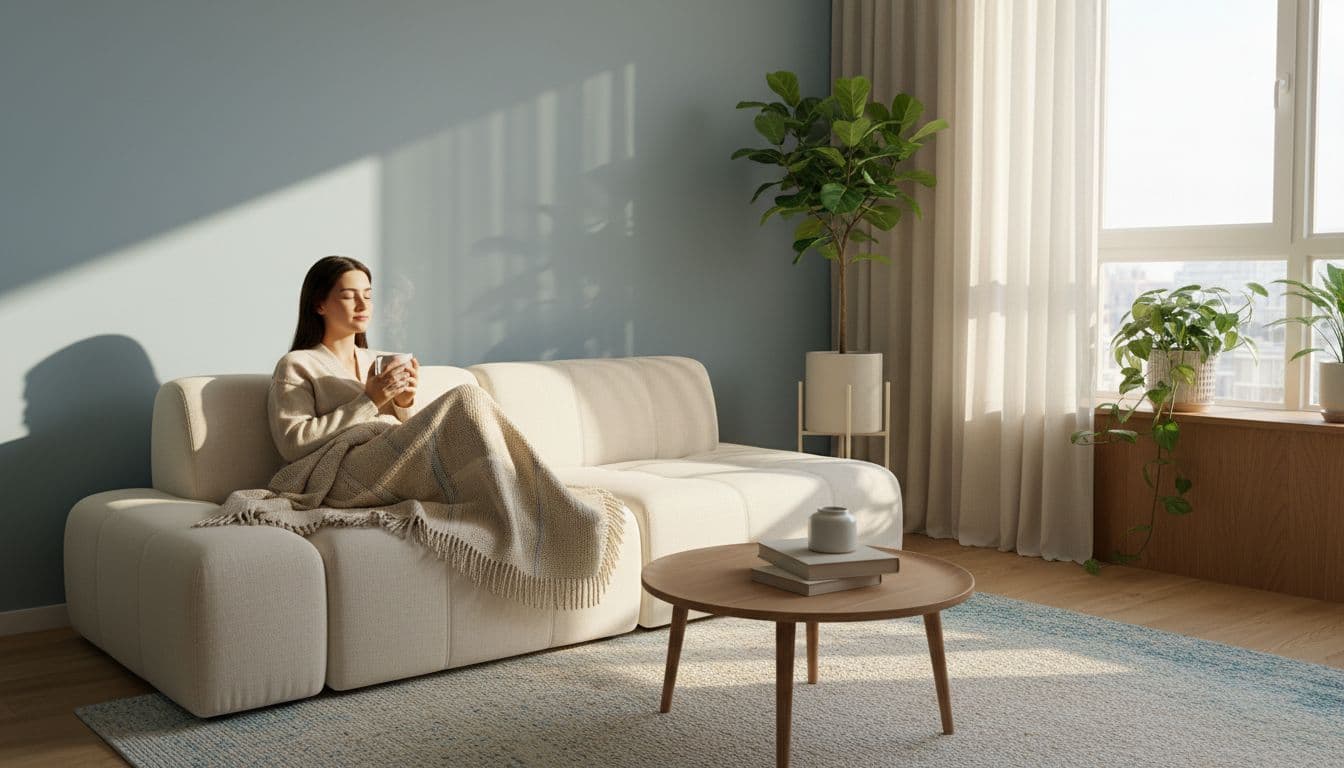
Try to remove objects that carry emotional charge. That could be gifts, photos, notes, or even a certain mug you only used to keep the peace. You don’t have to throw everything away. Box it up. Move it out of sight. Distance counts.
Then add a few cues of safety that speak to your senses. Soft light often helps more than harsh overhead bulbs. A washable blanket can help you settle. A plant, a framed print, or a pillow in a color you chose for yourself can be grounding. If scent helps, use something familiar and mild. If scent makes you anxious, skip it.
Furniture placement matters, too. Many survivors feel better when they can see the door from where they sit. That’s not strange. It’s information. Listen to it. Rearranging a chair or lamp is free, and sometimes it changes the whole tone of a room.
If money is tight or you’re renting, keep it simple. Use removable hooks. Try peel-and-stick window film for privacy. Move a bookshelf to create a visual buffer. Wash the sheets. Open the windows. Put your shoes, keys, and charger in one spot so leaving home doesn’t become a scramble.
These are small acts, but they add up. The home starts saying, “You get to choose now.”
Build routines that calm your body
A safe home isn’t only about what you see. It’s also about what happens there, over and over, in ways your body can count on. Predictable routines help teach the brain that this moment is not the old moment.
That doesn’t mean you need a strict schedule. Trauma often makes rigid plans feel like pressure. Aim for anchors instead. One cup of tea after work. Five minutes by a window every morning. A shower before bed. Music while you cook. A short check-in with yourself before sleep.
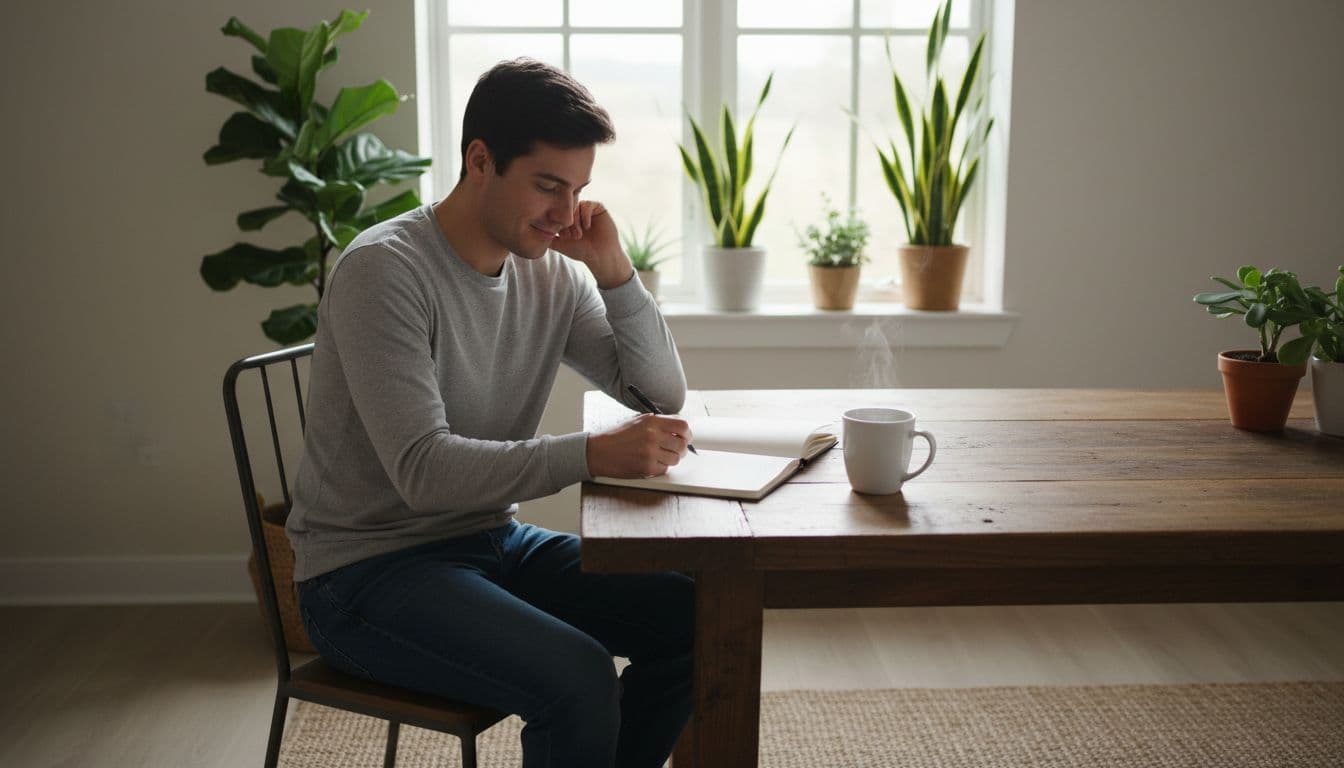
If your mind races, try a “landing routine” when you come home. Put your bag down in the same place. Lock the door. Change clothes. Wash your hands. Take three slow breaths. Look around and name five things you see. Repetition can turn ordinary actions into a signal of safety.
Journaling can help, but it doesn’t need to be heavy. Write one line: “Right now, I am safe enough to…” Then finish the sentence. Rest. Eat. Sit down. Watch a show. Say no. Emotional abuse recovery often looks like that, not dramatic, not flashy, just steady proof that your needs matter.
Some people also feel better with gentle sound. A fan, a white-noise app, a calming playlist, rain sounds, whatever softens the silence without making you jump. If you live with others, headphones and a simple door sign can help create pockets of peace.
And if routines feel hard, that doesn’t mean recovery isn’t happening. It may help to think in tiny units. Two minutes counts. One clean pillowcase counts. Lighting a lamp at dusk counts. These can become the signs of healing from emotional abuse, especially when they help you trust yourself a little more.
Add privacy, boundaries, and low-cost protections
Sometimes home doesn’t feel unsafe because of the room itself. It feels unsafe because access still feels open. That might mean calls, texts, social media checks, surprise visits, or the fear that someone can still reach you whenever they want.
This is where boundaries matter. Not the kind you explain for an hour, the kind you set up and follow through on. If that feels scary, you’re not alone. Many people need practice with boundaries after emotional abuse, especially when self-protection was punished in the past.
A few low-cost changes can help right away:
| If you need… | Try… |
|---|---|
| More privacy | Peel-and-stick frosted film, curtains on tension rods, or a door sweep |
| Less startle at night | A small lamp, battery light, or night-light in the hallway |
| Better sleep | A fan, white-noise app, earplugs, or borrowed blackout curtains |
| Less daily chaos | One basket for keys, documents, meds, and charger |
For renters, removable options are often enough to shift the feeling of a space. You do not need permission to make your home more soothing. If you want stronger physical changes, check your lease first, especially for locks, cameras, or door hardware.
Don’t forget digital safety. Silence unknown callers. Turn off message previews. Change passwords. Review location sharing. If a buzzing phone makes your stomach drop, that is part of home safety too. The National Domestic Violence Hotline’s emotional safety planning guide is a helpful place to start, especially if you’re rebuilding after long-term relationship abuse.
Safety often returns in small pieces, a softer breath, a closed door, a phone that no longer owns your attention.
If home still doesn’t feel safe, take that seriously
Some readers are still living in an unsafe situation, or recently left one. If that’s you, please don’t pressure yourself to “make home cozy” when what you need first is protection, support, or a plan. Comfort matters, but safety comes first.
If the person who harmed you still has access to your home, knows your routines, or keeps showing up, it may help to make an emotional abuse safety plan. You can also look at leaving an abusive relationship guidance or review after-you-leave safety steps if you’re worried about privacy, address sharing, or ongoing contact.
A trauma-informed therapist, domestic violence advocate, or support group can make a big difference. You don’t have to be in crisis to ask for help. And if you are in immediate danger, contact emergency services in your area.
Recovery is gradual. Needing help doesn’t mean you’re failing. It means you’re responding to something serious with care.
A home can feel safe in small ways first
You do not have to fix every room, every habit, or every fear at once. A safer home often begins with one corner, one routine, one boundary, one small choice that tells your body, “Things are different now.”
That’s how recovery often looks after emotional abuse. Not perfect peace, not instant relief, but more moments where you can unclench, breathe, and believe yourself again. And over time, those moments stop feeling rare. They start to feel like home.